Choosing the right garage door opener can be confusing, especially when you get to the technical details such as horsepower. If you’ve ever asked yourself, “What horsepower do I need for a garage door opener?”, you’re not alone. Selecting the appropriate horsepower is crucial for ensuring smooth operation, durability, and safety. This article will explain everything you need to know about garage door opener horsepower, how to determine the right power for your door, and other important factors to consider.
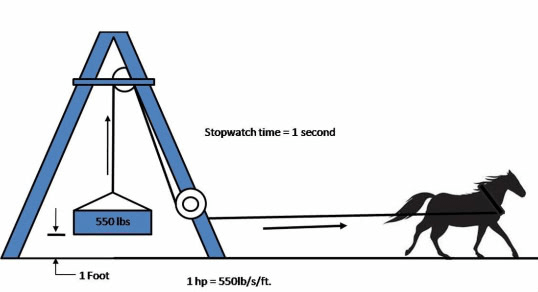
Understanding Garage Door Opener Horsepower
Horsepower (HP) in garage door openers refers to the power output of the motor driving the door. It determines how effectively and efficiently the opener can lift and lower the garage door. Typically, garage door openers come in horsepower ratings ranging from 1/3 HP up to 1 1/4 HP or more.
Read too: Door and Garage Door Companies: Choosing the Right Partner for Your Needs
A motor with higher horsepower generally means:
- More lifting power
- Smoother operation for heavier or larger doors
- Longer lifespan due to less strain on the motor
However, more horsepower doesn’t always mean better if it’s too much or too little for your specific garage door.
What Horsepower Do I Need For A Garage Door Opener? The Basic Guidelines
When trying to answer what horsepower do I need for a garage door opener, the key factor is your garage door’s size, weight, and material. Here are general guidelines:
1/3 Horsepower
- Best for single-car garage doors made of lightweight materials such as aluminum or wood.
- Suitable for doors up to 7 feet tall and about 8 to 9 feet wide.
- Good for doors that weigh less than 130 pounds.
- Ideal for homeowners on a budget with standard-size doors.
1/2 Horsepower
- The most common horsepower rating for residential garage door openers.
- Supports single or double garage doors with medium weight, such as steel doors with insulation.
- Typically suitable for doors weighing up to 150-200 pounds.
- Offers a balance of power, quietness, and durability for most homes.
3/4 Horsepower
- Recommended for heavier doors like insulated steel or larger double garage doors.
- Can handle doors up to 20 feet wide or heavier models exceeding 200 pounds.
- Suitable for homes with heavier or high-traffic garage doors.
- Provides extra torque for smoother, less strained operation.
1 Horsepower and Above
- Used mostly in commercial or very large residential garage doors.
- Ideal for oversized doors or doors with custom materials and features.
- Provides maximum power and durability.
- Usually comes with enhanced features like belt drives and quieter motors.
How to Calculate the Horsepower Needed Based on Your Garage Door
Besides these general categories, you can get a more exact answer by evaluating:
- Door Size: Measure the height and width.
- Door Weight: Depending on the material, this can vary widely. For example:
- Aluminum doors are lightest.
- Wood doors are heavier.
- Insulated steel doors are heaviest.
- Frequency of Use: If your garage door opens/closes frequently daily, a more powerful opener reduces wear and tear.
Step-by-Step Calculation:
- Estimate Door Weight: Consult your door manufacturer or use online weight charts.
- Check Opener Specifications: Manufacturers often list the max door weight the motor can lift.
- Match Door Weight to Horsepower: For example, if your door weighs 175 pounds, a 1/2 HP opener might work; if 300 pounds, consider 3/4 HP or higher.
Other Factors Influencing What Horsepower You Need For A Garage Door Opener
While horsepower is important, it’s not the only factor to consider:
1. Drive Type
- Chain Drive: Usually noisier but powerful, often paired with higher horsepower for heavy doors.
- Belt Drive: Quieter and smoother, recommended for residential use; horsepower varies but often 1/2 to 3/4 HP.
- Screw Drive: Requires moderate horsepower, efficient but louder than belt drives.
2. Door Balance and Condition
A well-balanced garage door reduces the load on the motor. If your door is out of balance or has worn springs, it will strain the opener regardless of horsepower.
3. Motor Technology
Modern openers feature advanced motors designed for efficiency. Some models with less horsepower perform better than older units with higher HP due to improved engineering.
4. Noise Level Considerations
Higher horsepower motors might be noisier, especially chain drives. If your garage is attached to your home, quieter belt drive motors with adequate horsepower are preferable.
Signs You Might Need More or Less Horsepower
If your garage door opener struggles, slows down, or makes unusual noises, it might indicate insufficient horsepower. Other symptoms include:
- Opener overheating or shutting off mid-operation
- Jerky door movement
- Door stops working with remotes or keypads
Conversely, if your opener is too powerful, it might wear out parts unnecessarily or consume more energy.
Tips for Choosing the Right Garage Door Opener Horsepower
- Consult with a professional installer who can assess your door’s size, weight, and condition.
- Consider future needs: Will you upgrade your door? Increase usage?
- Look for openers with adjustable force settings to fine-tune motor power.
- Balance horsepower with drive type and noise level preferences.
- Check warranty and durability ratings.
Conclusion: What Horsepower Do I Need For A Garage Door Opener?
Knowing what horsepower do I need for a garage door opener is essential to ensure smooth, efficient, and durable operation. Selecting the right motor power depends mostly on your door’s size, weight, and material. For most standard single-car garages, 1/2 horsepower is sufficient. Heavier or larger doors require more power, such as 3/4 horsepower or higher.
Remember, horsepower is just one part of the equation. Drive type, door condition, and motor technology all play roles in optimal performance. By evaluating your specific garage door needs and combining that with expert advice, you can select the perfect garage door opener horsepower for your home.
Leave a Reply