Few household problems are more frustrating than a garage door opener that suddenly stops working. Many homeowners search how to get a garage door opener to work when the door won’t open, won’t close, or only works intermittently. The good news is that most garage door opener issues are common, easy to diagnose, and often fixable without professional help.
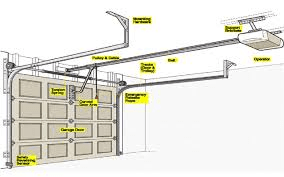
How To Get A Garage Door Opener To Work (Quick Overview)
To get a garage door opener to work, you need to check power supply, inspect safety sensors, test the remote and wall switch, reset the opener, and confirm the door is properly balanced. Most problems fall into one of these categories and can be resolved in under 30 minutes.
Read too: The Complete Guide to Tighten Chain On Garage Door Opener for Smooth Operation
Understanding How a Garage Door Opener Works
Before troubleshooting, it helps to understand the basics.
A garage door opener consists of:
- An electric motor
- A drive system (chain, belt, or screw)
- Safety sensors
- A control board
- Remote and wall controls
When one component fails, the entire system may stop working—even if the door itself is fine.
For a general technical overview, you can refer to Wikipedia’s explanation of garage door openers (authoritative source):
https://en.wikipedia.org/wiki/Garage_door_opener
Why Garage Door Openers Stop Working
According to garage door service data, over 70% of opener failures are caused by electrical, sensor, or control issues, not major mechanical damage.
Most common causes
- Power interruption
- Blocked or misaligned safety sensors
- Dead remote batteries
- Disconnected opener trolley
- Incorrect limit or force settings
- Lock mode accidentally activated
Step-by-Step: How To Get A Garage Door Opener To Work
Step 1: Check the Power Supply (Most Common Issue)
Start with the simplest possible cause.
What to check
- Is the opener plugged in?
- Has a breaker tripped?
- Is the outlet working?
Quick test: Plug a lamp into the same outlet.
If the lamp doesn’t work, the opener won’t either.
Step 2: Inspect the Wall Control Button
If the remote doesn’t work, test the wall button.
- If the wall button works → remote problem
- If the wall button doesn’t work → power or control issue
Also check if the lock or vacation mode is enabled. This feature disables remotes while still allowing wall control.
Step 3: Replace Remote Batteries
Weak batteries cause:
- Short operating range
- Intermittent response
- Complete failure
Replace batteries even if the remote light still turns on. This is one of the fastest fixes.
How To Get A Garage Door Opener To Work When Sensors Are the Problem
Step 4: Check Safety Sensor Alignment
Safety sensors are located near the floor on each side of the door.
What to look for
- Solid indicator lights on both sensors
- No blinking or flashing
- Clear line of sight
Common issues
- Dust or dirt on lenses
- Slight misalignment
- Objects blocking the beam
Clean the lenses with a dry cloth and adjust until both lights are steady.
Step 5: Inspect Sensor Wiring
Loose or damaged sensor wires can stop the opener completely.
- Look for frayed or pinched wires
- Check wire connections at the motor unit
- Ensure wires are not stapled too tightly
Sensor issues are the #1 reason doors won’t close.
When the Opener Runs but the Door Doesn’t Move
Step 6: Check the Emergency Release
If the opener motor runs but the door stays still, the trolley may be disengaged.
How to fix
- Make sure the door is fully closed
- Pull the emergency release cord toward the opener
- Run the opener once
The trolley should re-engage automatically.
How To Get A Garage Door Opener To Work After a Power Outage
Power outages can confuse opener electronics.
Reset procedure
- Unplug the opener
- Wait 60 seconds
- Plug it back in
- Test operation
If needed, reprogram remotes using the Learn button.
What If the Door Opens but Won’t Close?
This usually points to safety system issues.
Common causes
- Sensor obstruction
- Sunlight interference
- Force setting too low
Fix
- Shade the sensors
- Clean lenses
- Adjust down-force settings slightly (follow manufacturer instructions)
Force and Limit Settings Explained
Garage door openers use force and limit controls to operate safely.
Limit settings
Control how far the door opens and closes.
Force settings
Control how much power the motor uses.
Incorrect settings can cause:
- Door reversing
- Door stopping halfway
- Failure to close completely
Adjust only in small increments (1/8 turn at a time).
How To Tell If the Problem Is the Door, Not the Opener
Disconnect the opener and lift the door manually.
What should happen
- Door lifts smoothly
- Door stays open halfway
- No grinding or resistance
If the door feels heavy or slams shut, the problem is likely:
- Broken spring
- Worn rollers
- Track issues
In this case, fixing the opener alone won’t help.
Chain, Belt, or Screw Drive Issues
| Drive Type | Common Problems |
|---|---|
| Chain drive | Loose or noisy chain |
| Belt drive | Worn or slipping belt |
| Screw drive | Lack of lubrication |
Drive system problems can prevent smooth operation even if the motor runs.
When Reprogramming the Opener Is Necessary
You may need to reprogram if:
- Remotes stop responding
- You replaced the logic board
- You moved into a new home
Basic programming steps
- Press the Learn button
- Press the remote button within 30 seconds
- Wait for confirmation light or click
How Long Garage Door Openers Typically Last
- Average lifespan: 10–15 years
- With good maintenance: up to 20 years
If your opener is older and frequently failing, replacement may be more cost-effective than repeated repairs.
Common Mistakes That Prevent Garage Door Openers From Working
- ❌ Ignoring sensor alignment
- ❌ Assuming the motor is dead
- ❌ Overtightening force settings
- ❌ Forgetting lock mode
- ❌ Replacing parts unnecessarily
Most opener problems are simple—not catastrophic.
When to Call a Professional
Call a technician if:
- The door is extremely heavy
- Springs or cables are damaged
- Electrical components smell burnt
- The opener hums but doesn’t move
Professional diagnosis prevents injury and costly mistakes.
Preventive Maintenance Tips
- Test safety sensors monthly
- Replace remote batteries yearly
- Lubricate moving parts every 6 months
- Check balance annually
- Keep sensors clean
Preventive care reduces emergency failures.
FAQ: How To Get A Garage Door Opener To Work
Q1: Why won’t my garage door opener respond to the remote?
Dead batteries, lock mode, or sensor issues are the most common causes.
Q2: Why does my garage door opener click but not open?
This may indicate a disengaged trolley or mechanical resistance.
Q3: Can a power surge damage a garage door opener?
Yes. Surge protectors can help prevent damage.
Q4: Why does my garage door open but not close?
Safety sensors are likely blocked or misaligned.
Q5: Should I repair or replace my garage door opener?
If it’s over 15 years old with recurring problems, replacement is often better.
Conclusion
Knowing how to get a garage door opener to work can save time, money, and frustration. By checking power, sensors, remotes, and basic settings in the right order, most homeowners can restore normal operation quickly and safely.
Leave a Reply