When your garage door opener suddenly stops working, it can be frustrating and confusing. Many homeowners immediately ask the same question: Is There A Fuse In A Garage Door Opener?
The short answer is yes—sometimes, but the full explanation depends on the opener type, brand, and power setup. This guide walks you through everything you need to know in a clear, beginner-friendly way.
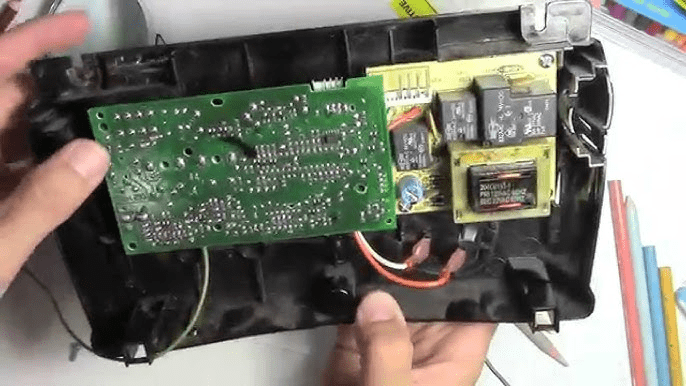
Is There A Fuse In A Garage Door Opener?
Yes, there is often a fuse in a garage door opener, but it is not always obvious or easy to access.
Read too: Door and Garage Door Companies: Choosing the Right Partner for Your Needs
Most modern garage door openers include one or more protective devices designed to prevent electrical damage, such as:
- Internal glass or blade fuses
- Thermal overload protectors
- Circuit breakers (external or internal)
- Surge protection components
However, not every opener has a user-replaceable fuse, which is where confusion often starts.
Why Garage Door Openers Use Fuses
A fuse is a safety component that cuts power when electrical current exceeds safe levels. This protects the opener’s motor, circuit board, and wiring from damage.
Common situations that cause a fuse to blow include:
- Power surges from lightning or outages
- Short circuits in wiring
- Motor overload
- Improper installation
- Aging electrical components
According to general electrical safety principles explained on
👉 https://en.wikipedia.org/wiki/Fuse_(electrical)
a fuse is intentionally designed to fail first—protecting more expensive parts.
Where Is the Fuse Located in a Garage Door Opener?
The fuse location depends on the opener design.
1. Inside the Motor Housing
Most units with fuses place them inside the main motor unit, behind a plastic or metal cover.
Typical locations include:
- Near the power cord entry point
- On the circuit board
- Adjacent to the transformer
You may need a screwdriver to access it.
2. On the Circuit Board
Some openers use mini blade fuses or glass tube fuses soldered or clipped onto the circuit board.
⚠️ These are not always user-serviceable.
3. Wall Control or External Power Source
In rare cases, the protection device may be:
- A fuse inside the wall control
- A dedicated circuit breaker in your electrical panel
- A GFCI outlet that has tripped
Always check these before opening the opener itself.
Do All Garage Door Openers Have Fuses?
No. Not all garage door openers use traditional fuses.
Here’s a comparison:
| Opener Type | Fuse Present? | Protection Method |
|---|---|---|
| Older models | Yes | Glass or blade fuse |
| Modern chain/belt drive | Sometimes | Thermal protector |
| Smart garage openers | Often no | Circuit board protection |
| Commercial openers | Yes | Multiple safety fuses |
Many newer models rely on self-resetting thermal protectors, which automatically restore power after cooling down.
Signs That a Garage Door Opener Fuse Is Blown
You may be dealing with a blown fuse if:
- The opener is completely dead
- No lights, no sound, no response
- Wall button and remote both fail
- Power outlet works for other devices
- Breaker is not tripped
If these symptoms appear suddenly after a storm or outage, a fuse is a strong suspect.
How to Check a Garage Door Opener Fuse (Step-by-Step)
Safety First: Disconnect power before opening the unit.
Step 1: Unplug the Opener
Remove the plug from the wall outlet. Never inspect while powered.
Step 2: Remove the Cover
Use a screwdriver to open the motor housing.
Step 3: Locate the Fuse
Look for:
- A small glass tube with metal ends
- A colored blade fuse
- Fuse label on the circuit board
Step 4: Inspect Visually
A blown fuse usually shows:
- Broken filament
- Burn marks
- Cloudy glass
Step 5: Test with a Multimeter (Optional)
Set to continuity mode. No continuity = blown fuse.
How to Replace a Garage Door Opener Fuse
If your model allows replacement:
- Remove the blown fuse carefully
- Match exact amperage and voltage rating
- Insert the new fuse firmly
- Reassemble the cover
- Restore power and test
❗ Never use a higher-rated fuse—it can cause serious damage.
What If There Is No Fuse?
If your opener has no replaceable fuse, the problem may be:
- Burned circuit board
- Failed transformer
- Motor overload protector activated
- Logic board damage
In these cases, replacement parts or professional service may be required.
Can a Power Surge Damage a Garage Door Opener?
Yes—very commonly.
Garage door openers are vulnerable because:
- They remain plugged in 24/7
- They are often unprotected by surge suppressors
Best practice:
Use a surge-protected outlet rated for motor appliances.
Fuse vs Circuit Breaker: What’s the Difference?
| Feature | Fuse | Circuit Breaker |
|---|---|---|
| Reusable | No | Yes |
| Cost | Low | Higher |
| Response time | Instant | Slight delay |
| Replacement | Required | Reset only |
Most homes rely on circuit breakers, but internal fuses still protect sensitive components.
When Should You Call a Professional?
Call a technician if:
- Fuse keeps blowing repeatedly
- Opener smells burnt
- Circuit board shows scorch marks
- Door moves inconsistently
- Opener is older than 10–15 years
Repeated fuse failure often signals deeper electrical issues.
FAQ: Garage Door Opener Fuse Questions
Is there a fuse in a garage door opener motor?
Sometimes. Older and commercial models often include motor fuses, while many modern units rely on thermal protection instead.
Can I replace the garage door opener fuse myself?
Yes, if it is accessible and clearly labeled. Always match the fuse rating exactly and unplug power first.
Why does my garage door opener have power but won’t open?
The issue may not be the fuse. It could be a sensor alignment problem, logic board failure, or remote programming issue.
How much does it cost to replace a garage door opener fuse?
The fuse itself usually costs $2–$10, while professional service may range from $75–$150.
Will unplugging reset a garage door opener?
It may reset thermal protectors or minor logic errors, but it will not fix a blown fuse.
Conclusion
So, is there a fuse in a garage door opener?
In many cases, yes—but not always, and understanding your specific opener design is key.
Knowing how to locate, inspect, and replace a fuse can save time, money, and frustration. Just remember: if electrical issues persist, it’s safer to consult a professional.
If this guide helped you, share it with friends or family who might be dealing with the same garage door problem—and help them avoid unnecessary repairs.
Leave a Reply