Cold weather can bring a unique set of challenges, one of which is dealing with a garage door opener that refuses to work in low temperatures. If you’ve ever faced the frustration of a non-responsive garage door opener on a chilly morning, this article is here to help. We’ll explore common reasons why garage door openers can malfunction in the cold and provide you with troubleshooting tips to get your garage door up and running smoothly even in frigid conditions.
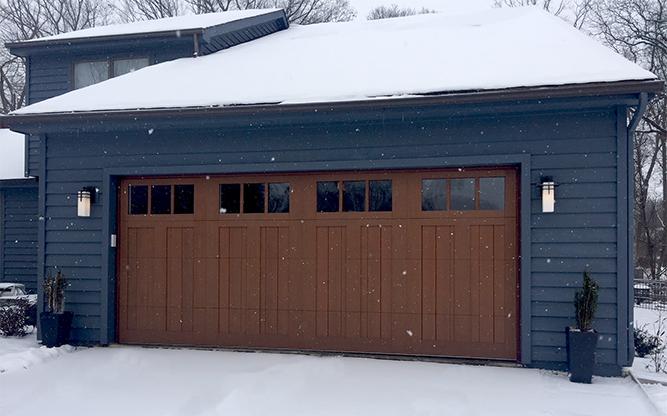
Understanding the Cold Weather Effect
Why Does Cold Weather Affect Garage Door Openers?
Cold weather can impact the performance of your garage door opener in several ways:
- Battery Efficiency: Most garage door openers rely on batteries in the remote control and the opener itself. Cold temperatures can reduce the efficiency of batteries, leading to a loss of power or sluggish performance.
- Lubrication Issues: The lubricants and grease used in your garage door opener’s moving parts can become thicker in cold weather. This can cause the opener to strain when trying to operate, leading to slower movement or even a complete stop.
- Metal Contraction: Metal components in the garage door opener may contract in freezing temperatures, causing misalignments or interference with the normal operation of the opener.
Troubleshooting Tips for Cold Weather Garage Door Opener Issues
1. Check the Batteries
Start by checking the batteries in both your remote control and the garage door opener itself. Replace any weak or depleted batteries with fresh ones, as this can often resolve power-related issues in cold weather.
2. Lubricate Moving Parts
Apply a lubricant specifically designed for garage door openers to the moving parts, such as the chain, tracks, and hinges. Lubrication can help reduce the strain caused by thickening grease and ensure smoother operation.
3. Inspect for Ice or Snow Buildup
In regions with heavy snowfall, ice and snow accumulation on the garage door and its components can hinder movement. Clear away any ice or snow that may be blocking the door’s path or interfering with the opener.
4. Adjust the Sensitivity Settings
Your garage door opener likely has sensitivity settings that determine how much force it uses to open and close the door. In cold weather, adjusting these settings to a slightly higher level can help overcome resistance caused by metal contraction.
5. Warm Up the Garage
If possible, try to warm up the garage before attempting to use the opener. This can help reduce the effects of cold on the opener’s components and improve overall performance.
6. Insulate the Garage
Adding insulation to your garage can help maintain a more stable temperature, reducing the impact of cold weather on the opener. Proper insulation can also improve energy efficiency.
7. Professional Maintenance
If you continue to experience issues with your garage door opener in cold weather, it may be time for professional maintenance. A technician can inspect and adjust the opener, ensuring it operates optimally in all conditions.
Conclusion: Conquering Cold Weather Challenges
Dealing with a garage door opener that doesn’t work in cold weather can be frustrating, but with the right troubleshooting steps, you can overcome these challenges. Regular maintenance and a few adjustments can ensure that your garage door opener operates smoothly, even in the coldest of temperatures, providing convenience and security throughout the year.
Leave a Reply