If My Garage Door Makes A Loud Noise When Opening, you’re probably wondering whether it’s a minor annoyance—or a serious mechanical problem. Loud grinding, squeaking, or banging sounds can be alarming, especially early in the morning or late at night.
The good news? In most cases, the issue is fixable without replacing your entire system. Let’s walk through what causes the noise—and exactly how to fix it.
Read too: Mastering Quantum Garage Door Opener Programming: A Comprehensive Guide
Why Does My Garage Door Make A Loud Noise When Opening?
When someone says, “My Garage Door Makes A Loud Noise When Opening,” the cause usually falls into one of five categories:
- Worn rollers
- Loose hardware
- Lack of lubrication
- Failing springs
- Opener motor issues
Modern garage door systems are made up of interconnected mechanical components. You can review how a typical garage door system works to better understand these parts.
According to industry data from home service associations, over 65% of noisy garage door complaints are maintenance-related, not structural failures. That’s good news for homeowners.
Let’s diagnose this step-by-step.
1. Is Lack of Lubrication Causing the Noise?
The Most Common (and Easiest) Fix
Metal-on-metal friction is the #1 cause of squeaking or screeching.
Garage doors move 3–5 times daily in most American households. That adds up to over 1,500 cycles per year, creating wear.
Signs of Lubrication Problems:
- High-pitched squeal
- Grinding sound during upward movement
- Noise reduces after several cycles
Step-by-Step Lubrication Guide
You’ll need:
- Silicone-based garage door lubricant
- Clean cloth
- Step ladder
Steps:
- Disconnect the opener for safety.
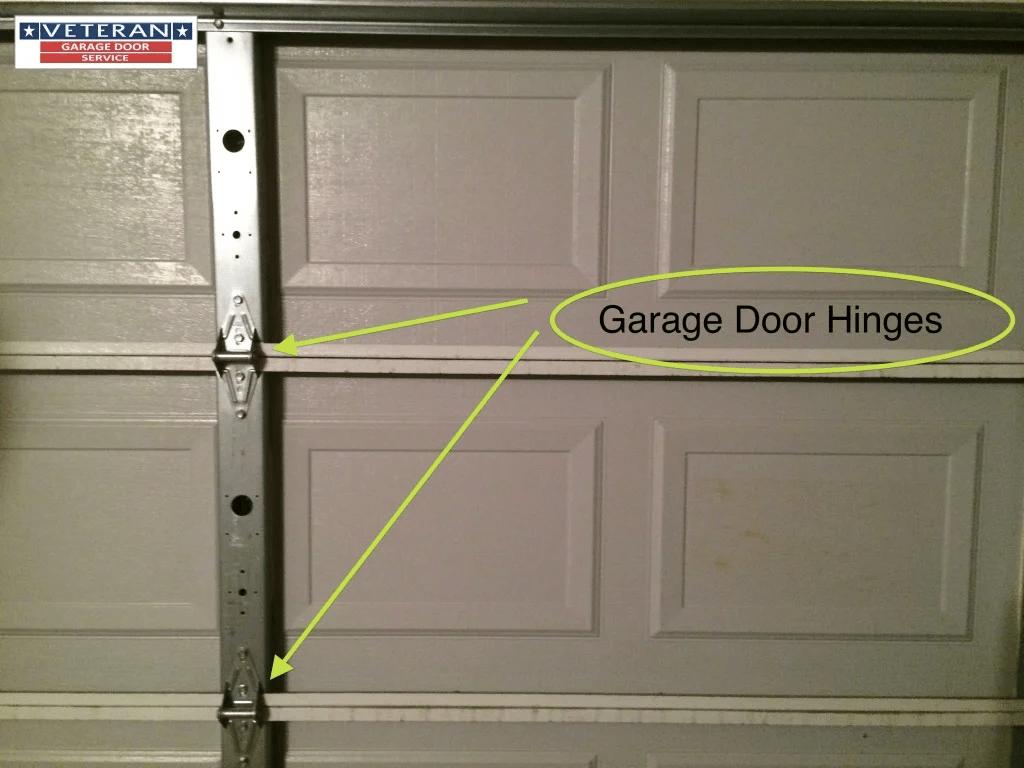
- Wipe down rollers, hinges, and tracks.
- Apply lubricant to:
- Roller bearings
- Hinges
- Torsion spring
- Bearing plates
- Do NOT lubricate:
- The belt (if belt-drive)
- Nylon roller wheels
- Sensor lenses
Wait 10 minutes before testing.
💡 Avoid WD-40 as a primary lubricant—it’s a cleaner, not a long-term solution.
2. Could Worn Rollers Be the Problem?
Nylon vs. Steel Rollers
If your door produces a rattling or rumbling sound, worn rollers may be responsible.
| Roller Type | Noise Level | Lifespan | Cost |
|---|---|---|---|
| Steel | Loud | 10–15 years | Lower |
| Nylon (no bearing) | Quiet | 5–7 years | Moderate |
| Nylon (sealed bearing) | Very quiet | 10–15 years | Higher |
Worn rollers often:
- Wobble on the track
- Produce grinding sounds
- Cause vibration
Replacement Overview:
- Clamp door in place.
- Remove hinge bolts.
- Slide old roller out.
- Insert new roller.
- Re-secure hinge.
⚠️ Do not remove bottom rollers unless you understand spring tension systems.
3. Is the Garage Door Opener Motor Failing?
If the noise sounds like:
- Grinding
- Buzzing
- Clicking without movement
The opener motor may be under strain.
Chain-Drive vs. Belt-Drive
Chain-drive openers are naturally louder than belt-drive models. If you have an older chain-drive unit, some noise is normal.
However, excessive noise could indicate:
- Loose chain
- Worn sprocket
- Failing internal gear
According to home improvement market studies, belt-drive openers reduce operational noise by up to 30–50% compared to chain systems.
If your motor unit vibrates heavily, check mounting brackets. Tighten bolts using a socket wrench.
4. Are Loose Hardware and Bolts Causing Rattling?
Garage doors move with vibration. Over time, bolts loosen.
Inspection Checklist:
- Track brackets
- Hinge bolts
- Opener mounting straps
- Rail supports
Use a wrench to tighten hardware. Do not overtighten—just snug and secure.
A simple tightening session can reduce noise significantly.
5. Could the Springs Be Worn or Failing?
Torsion springs are under high tension. When worn, they may:
- Produce loud popping sounds
- Create uneven lifting
- Cause door jerking
Springs typically last 10,000 cycles (about 7–10 years in average use).
⚠️ Spring replacement should always be handled by a professional. The stored tension can cause severe injury.
Noise Diagnosis Comparison Chart
| Sound Type | Likely Cause | DIY Safe? |
|---|---|---|
| Squeaking | Dry rollers/hinges | Yes |
| Grinding | Worn rollers or motor | Sometimes |
| Banging | Loose hardware | Yes |
| Popping | Spring issue | No |
| Vibrating hum | Loose opener mount | Yes |
How Do I Make My Garage Door Quieter?
Here’s a simple improvement roadmap:
Quick Wins (Under 30 Minutes)
- Lubricate moving parts
- Tighten bolts
- Inspect rollers
Medium Upgrade
- Replace steel rollers with nylon
- Install rubber vibration isolators
Long-Term Upgrade
- Switch from chain-drive to belt-drive opener
Investing in nylon rollers alone can reduce noise by 40% or more in many cases.
Is It Dangerous If My Garage Door Is Loud?
Noise is often an early warning sign.
Ignoring it may lead to:
- Premature motor failure
- Track misalignment
- Spring breakage
Routine maintenance can extend garage door lifespan by up to 5–7 years, according to housing maintenance studies.
FAQ Section
Why is my garage door suddenly so loud?
Sudden noise usually means loose hardware, lack of lubrication, or a broken component. Inspect immediately to prevent bigger damage.
How often should I lubricate my garage door?
Twice per year is recommended. Homes in humid or coastal climates may require quarterly lubrication.
Is a loud garage door opener about to fail?
Not always. Chain-drive systems are inherently louder. However, grinding or clicking without movement could signal gear damage.
Can I replace garage door rollers myself?
Yes—except for bottom rollers connected to high-tension springs. Those should be handled professionally.
How much does professional repair cost?
Basic service visits range from $75–$150. Roller replacement typically costs $100–$200. Spring replacement ranges from $150–$350.
Should I upgrade to a belt-drive opener?
If noise is a major concern—especially in attached garages—belt-drive models are quieter and smoother.
Conclusion
If My Garage Door Makes A Loud Noise When Opening, the issue is often maintenance-related—not catastrophic failure.
Start with lubrication and tightening hardware. Inspect rollers and monitor motor behavior. Addressing the problem early prevents costly repairs later.
A quiet garage door isn’t just about comfort—it’s about safety and longevity.
If this guide helped you, share it on social media or send it to a neighbor dealing with the same noisy frustration. A smoother, quieter garage is easier than you think.
Leave a Reply