If your garage door suddenly stops responding or your remote works inconsistently, you might be asking yourself what battery do I need for garage door opener. Many homeowners don’t realize that garage door openers rely on different types of batteries depending on the model and function.
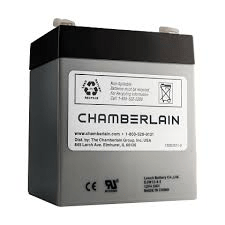
From small remote batteries to larger backup power units inside the opener motor, choosing the right battery is essential for reliable operation. This guide explains which batteries are commonly used, how to identify the correct type, and how to replace them safely.
Read too: How To Replace Garage Door Roller Like a Pro? Step-by-Step Guide
What Battery Do I Need For Garage Door Opener?
The answer to what battery do I need for garage door opener depends on where the battery is located in the system.
Garage door openers typically use two types of batteries:
- Remote control batteries
- Backup batteries inside the opener unit
Each serves a different purpose.
| Battery Type | Where It’s Used | Typical Size |
|---|---|---|
| Remote battery | Handheld remote | CR2032 or CR2025 |
| Keypad battery | Wireless keypad | 9V battery |
| Backup battery | Inside opener motor | 12V rechargeable |
According to industry data, backup batteries allow most garage door openers to operate 20–50 cycles during a power outage, making them an important safety feature.
Let’s explore each type in detail.
Battery for Garage Door Remote Controls
The most common battery used in garage door systems is the remote control battery.
Typical Battery Types
Most remotes use one of these:
- CR2032 lithium coin battery
- CR2025 lithium coin battery
- A23 12V battery
These small batteries power the wireless transmitter inside the remote.
Signs Your Remote Battery Is Dying
Common symptoms include:
- Reduced operating range
- Delayed response
- Remote only works when very close
- LED light becomes dim
Typical Battery Lifespan
Most remote batteries last:
1–2 years with normal use
Replacing them regularly prevents unexpected issues.
Battery for Garage Door Opener Backup Power
Modern garage door openers often include a battery backup system.
This battery allows the door to operate during power outages.
Most Common Backup Battery
The typical battery is:
12-volt sealed lead-acid battery
Specifications often include:
- Voltage: 12V
- Capacity: 4.5Ah–5Ah
- Rechargeable design
These batteries recharge automatically when the opener is connected to electricity.
Why Garage Door Backup Batteries Are Important
Backup batteries became more common after safety regulations encouraged emergency access during power failures.
For example, California law requires many new garage door openers to include backup batteries to ensure homeowners can exit garages during blackouts.
Key Benefits
Backup batteries allow:
- Opening the door during power outages
- Emergency vehicle access
- Safe evacuation if needed
Without a backup battery, the door must be opened manually using the emergency release cord.
More technical details about garage door opener systems can be found here:
https://en.wikipedia.org/wiki/Garage_door_opener
Wireless Keypad Batteries
Many garages also include a wireless keypad mounted outside the garage.
These keypads usually run on 9-volt batteries.
Typical Features
Keypads allow homeowners to:
- Open the garage using a PIN code
- Grant temporary access to family or deliveries
- Avoid carrying a remote
Signs the Keypad Battery Needs Replacement
Look for these signs:
- Backlight becomes dim
- Keypad stops responding
- PIN entry fails intermittently
Keypad batteries typically last 1–2 years.
Comparison of Garage Door Opener Batteries
| Battery Type | Used In | Lifespan | Replacement Difficulty |
|---|---|---|---|
| CR2032 | Remote control | 1–2 years | Easy |
| CR2025 | Remote control | 1–2 years | Easy |
| A23 12V | Some remotes | 1–2 years | Easy |
| 9V battery | Wireless keypad | 1–2 years | Easy |
| 12V backup battery | Opener motor | 3–5 years | Moderate |
Understanding these differences helps you choose the correct replacement battery quickly.
How To Identify the Right Battery for Your Garage Door Opener
If you’re unsure what battery your garage door opener needs, follow these steps.
Step 1: Check the Remote Battery Compartment
Open the remote cover.
The battery type is usually printed directly on the battery.
Step 2: Look at the Opener Manual
Most manufacturer manuals clearly list compatible battery models.
Step 3: Inspect the Backup Battery Label
If your opener includes backup power, the battery compartment typically shows:
- Voltage
- Capacity
- Replacement model number
Step 4: Search the Opener Model Number
Entering the model number online often reveals the exact battery type.
How To Replace Garage Door Opener Remote Battery
Replacing a remote battery is quick and simple.
Step 1: Open the Remote Case
Use a small screwdriver or coin to gently open the battery compartment.
Step 2: Remove the Old Battery
Note the positive (+) and negative (-) orientation.
Step 3: Insert the New Battery
Place the new battery in the same orientation.
Example:
- Positive side facing upward
Step 4: Close the Remote
Snap the remote casing back together.
Step 5: Test the Remote
Stand about 10–15 feet from the garage door and press the button.
If the door responds immediately, the replacement was successful.
How To Replace Garage Door Backup Battery
Backup battery replacement is slightly more involved but still manageable.
Step 1: Disconnect Power
Unplug the garage door opener from the electrical outlet.
Step 2: Open the Battery Compartment
Most openers have a small battery door on the motor unit.
Step 3: Remove the Old Battery
Disconnect the red and black wire connectors.
Step 4: Install the New Battery
Attach:
- Red wire to positive terminal
- Black wire to negative terminal
Step 5: Close the Compartment
Reconnect power and test the system.
Most openers will beep once to confirm the battery is installed correctly.
Common Battery Problems in Garage Door Openers
Sometimes replacing the battery doesn’t immediately solve the issue.
Here are common causes.
Corroded Battery Contacts
Dust or corrosion can prevent proper electrical connection.
Incorrect Battery Size
Using the wrong battery type can prevent the remote from working.
Dead Backup Battery Warning
Many openers beep every 30–60 seconds when the backup battery is low.
Temperature Effects
Extreme cold can temporarily reduce battery power.
Replacing older batteries usually resolves these problems.
Tips to Extend Garage Door Opener Battery Life
To maximize battery lifespan, follow these simple tips.
Store Remotes at Room Temperature
Avoid leaving remotes in extremely hot cars.
Replace Batteries Every Two Years
Even if the remote still works, preventive replacement avoids unexpected failures.
Clean Battery Contacts
Dust or corrosion can affect performance.
Use High-Quality Lithium Batteries
Lithium coin batteries typically last longer than cheaper alternatives.
FAQ: Garage Door Opener Batteries
What battery do I need for a garage door opener remote?
Most remotes use CR2032 or CR2025 lithium coin batteries. Some older models use A23 12V batteries.
How long does a garage door opener backup battery last?
Backup batteries usually last 3–5 years depending on usage and power outages.
Why is my garage door opener beeping?
Frequent beeping often indicates a low backup battery that needs replacement.
Can I use any 12V battery for a garage door opener?
No. You should use a compatible sealed lead-acid battery designed for garage door openers to ensure proper charging and safety.
Do garage door remotes use rechargeable batteries?
Most remotes use non-rechargeable lithium coin batteries, which are replaced when depleted.
What happens if the garage door battery dies during a power outage?
If the backup battery is dead, you can open the garage manually using the emergency release cord.
Conclusion
Understanding what battery do I need for garage door opener helps ensure your garage system stays reliable and convenient. Most systems rely on small lithium batteries for remotes, 9V batteries for keypads, and 12V backup batteries inside the opener unit.
Regularly replacing these batteries and checking their condition can prevent unexpected failures and keep your garage door operating smoothly—even during power outages.
If you found this guide helpful, feel free to share it on social media so other homeowners can easily identify the right battery for their garage door opener. 🚪🔋
Leave a Reply