If your garage door suddenly stops working or moves unpredictably, you might start wondering what is an RPM sensor on garage door opener and why it matters. Many modern garage door openers rely on this small component to monitor motor speed and ensure the door moves safely.
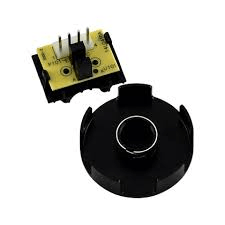
Understanding how an RPM sensor works can help homeowners diagnose problems faster and avoid costly repairs. In this guide, we’ll explain the function of this sensor, common symptoms of failure, and how you can troubleshoot it step by step.
Read too: How To Replace Garage Door Roller Like a Pro? Step-by-Step Guide
What Is An RPM Sensor On Garage Door Opener?
The RPM sensor (Revolutions Per Minute sensor) in a garage door opener measures how fast the motor shaft is rotating. This information is sent to the opener’s control board so the system can regulate movement and detect mechanical problems.
Simply put, the RPM sensor acts like a speed monitor for the garage door motor.
Why This Sensor Is Important
The sensor helps the opener:
- Track motor rotation speed
- Detect obstructions or resistance
- Control opening and closing speed
- Prevent motor damage
- Improve overall safety
Without this sensor, the opener would not know whether the motor is turning properly.
To understand the broader concept of RPM measurement in mechanical systems, you can explore this resource:
https://en.wikipedia.org/wiki/Revolutions_per_minute
How Does an RPM Sensor Work in a Garage Door Opener?
The RPM sensor works by detecting the rotational speed of the motor shaft.
Basic Operation
- The motor begins rotating when the opener activates.
- The RPM sensor detects each rotation of the shaft.
- The sensor sends signals to the control board.
- The control board monitors the motor speed.
- If the speed changes unexpectedly, the opener stops for safety.
This process happens in milliseconds during every operation of the garage door.
Where Is the RPM Sensor Located?
In most garage door openers, the RPM sensor is located inside the motor housing near the drive shaft.
Typical Placement
Common locations include:
- Near the motor gear assembly
- Attached to the motor shaft
- Mounted on the circuit board
- Inside the main opener casing
Because the sensor is inside the motor unit, it is usually not visible without opening the housing.
What Happens If the RPM Sensor Fails?
A faulty RPM sensor can cause several garage door problems.
Common Symptoms
If you’re experiencing issues, the RPM sensor might be responsible.
Watch for these signs:
- The garage door starts but stops suddenly
- The opener motor runs but the door doesn’t move
- The door reverses unexpectedly
- The opener light blinks repeatedly
- The system shuts down after a few seconds
Many manufacturers include diagnostic codes that signal RPM sensor problems.
Why Garage Door Openers Use RPM Sensors
Modern openers include RPM sensors for safety and performance monitoring.
Key Benefits
Motor protection
If the motor spins too fast or too slow, the system stops to prevent damage.
Obstacle detection
If the door encounters resistance, motor speed changes instantly.
Smooth door operation
The system adjusts speed automatically for consistent movement.
Energy efficiency
The motor only runs at the required speed.
These features are essential for modern garage door automation systems.
RPM Sensor vs Safety Sensors: What’s the Difference?
Many homeowners confuse RPM sensors with safety sensors.
However, they serve completely different functions.
Comparison Table
| Feature | RPM Sensor | Safety Sensor |
|---|---|---|
| Function | Measures motor speed | Detects objects in door path |
| Location | Inside opener motor | Near bottom of door tracks |
| Purpose | Motor monitoring | Injury prevention |
| Visibility | Hidden inside unit | Visible infrared sensors |
Both sensors work together to keep your garage door system safe.
Common Causes of RPM Sensor Problems
Several issues can cause RPM sensor failure.
1. Worn Motor Components
Over time, motor gears and shafts can wear down.
This may prevent the sensor from accurately detecting rotation.
2. Dust or Debris
Dust buildup inside the opener housing can interfere with the sensor.
This is more common in garages with heavy use or poor ventilation.
3. Electrical Circuit Issues
Loose wiring or damaged circuit boards can interrupt communication between the sensor and control board.
4. Aging Garage Door Opener
Most garage door openers last 10–15 years.
As components age, sensors may begin to fail.
How to Troubleshoot an RPM Sensor Problem
If your garage door opener behaves unusually, you can perform several troubleshooting steps.
Step-by-Step Troubleshooting
Step 1: Disconnect power
Unplug the garage door opener before inspecting the unit.
Step 2: Reset the opener
Wait 30–60 seconds, then plug the unit back in.
This can clear electronic glitches.
Step 3: Inspect the door system
Check for mechanical problems such as:
- Broken springs
- Bent tracks
- Obstructions
Sometimes these issues mimic sensor failure.
Step 4: Listen to the motor
If the motor starts but stops quickly, the RPM sensor may not be detecting proper movement.
Step 5: Check diagnostic lights
Many openers display blinking light patterns indicating sensor or motor problems.
Can You Replace an RPM Sensor Yourself?
In some cases, yes—but it depends on the opener model.
DIY Replacement
If the sensor is a separate component, replacement may involve:
- Opening the motor housing
- Disconnecting the old sensor
- Installing a compatible replacement
- Reconnecting wires
However, this process requires electrical knowledge.
Professional Repair
Most homeowners choose professional service.
Typical repair costs:
| Repair Type | Average Cost |
|---|---|
| Sensor replacement | $80–$150 |
| Circuit board repair | $150–$300 |
| Full opener replacement | $300–$600 |
If the opener is older than 15 years, replacement may be more cost-effective.
When Should You Replace the Garage Door Opener Instead?
Sometimes fixing the RPM sensor isn’t the best solution.
Consider replacement if:
- The opener is over 15 years old
- Multiple components are failing
- Repair costs exceed 50% of replacement cost
- The opener lacks modern safety features
Newer garage door openers include:
- Smart home connectivity
- Quiet belt-drive motors
- Advanced safety sensors
- Smartphone control
Maintenance Tips to Prevent Sensor Issues
Regular maintenance can extend the life of your garage door opener.
Recommended Maintenance Routine
Monthly
- Check door balance
- Inspect tracks and rollers
Every 6 months
- Lubricate moving parts
- Test safety sensors
Yearly
- Inspect opener motor
- Check wiring connections
Routine maintenance can help garage door systems last 10–20 years.
FAQ: What Is An RPM Sensor On Garage Door Opener?
1. What does an RPM sensor do in a garage door opener?
The RPM sensor measures the motor’s rotational speed and sends that information to the control board to ensure proper operation.
2. Can a garage door opener work without an RPM sensor?
No. If the sensor fails, the opener may shut down or stop working because it cannot monitor motor movement.
3. How do I know if my RPM sensor is bad?
Common signs include doors stopping suddenly, blinking opener lights, or the motor running without moving the door.
4. Is an RPM sensor expensive to replace?
Replacement usually costs $80–$150, depending on the opener model and labor fees.
5. Are RPM sensors found in all garage door openers?
Most modern garage door openers include RPM sensors, especially those manufactured in the last decade.
6. Can I fix an RPM sensor problem myself?
Basic troubleshooting is possible, but replacing internal components often requires professional repair.
Conclusion
Understanding what is an RPM sensor on garage door opener can help homeowners diagnose problems and maintain their garage door systems more effectively. This small but critical component monitors motor speed, ensures safe operation, and protects the opener from mechanical damage.
If your garage door begins behaving unpredictably, the RPM sensor could be a key factor. By following basic troubleshooting steps and performing routine maintenance, you can keep your garage door opener running smoothly for years.
If this guide helped you better understand garage door opener sensors, consider sharing it on social media to help other homeowners troubleshoot their garage systems with confidence.
Leave a Reply