Choosing the right garage door opener can be confusing, especially when it comes to horsepower. Many homeowners ask, “What Size Hp Garage Door Opener Do I Need?” because the wrong motor size can cause slow performance, excessive wear, or even premature failure.
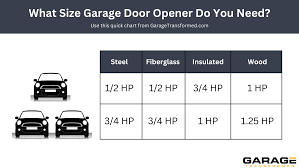
The right horsepower (HP) depends on factors such as garage door size, weight, material, and usage frequency. In this guide, we’ll explain how horsepower works, what size opener you should choose, and how to make the best decision for your home.
Read too: How To Replace Garage Door Roller Like a Pro? Step-by-Step Guide
What Size Hp Garage Door Opener Do I Need?
The answer to What Size Hp Garage Door Opener Do I Need depends primarily on the size and weight of your garage door.
Here’s a quick reference guide.
| Garage Door Type | Recommended HP |
|---|---|
| Single lightweight door | 1/3 HP |
| Standard single door | 1/2 HP |
| Double garage door | 3/4 HP |
| Heavy wood or insulated door | 1 HP |
For most homeowners, 1/2 horsepower garage door openers are the most common choice because they balance power, cost, and durability.
Choosing the correct motor size ensures smooth operation and prevents unnecessary strain on the opener system.
Why Horsepower Matters in Garage Door Openers
Horsepower measures the motor’s ability to lift and move your garage door.
If the motor is too weak:
- The door may open slowly
- The opener may wear out faster
- Mechanical parts may fail sooner
If the motor is too powerful:
- You may pay more than necessary
- Energy consumption may increase slightly
Garage door openers typically range between 1/3 HP and 1¼ HP.
According to industry data, most residential garage doors weigh between 130 and 350 pounds, depending on materials and insulation.
You can learn more about garage doors and their mechanisms here:
https://en.wikipedia.org/wiki/Garage_door
Understanding Garage Door Weight and Size
The size and material of your garage door play the biggest role in determining the right opener horsepower.
Here’s how common door materials affect weight.
| Door Material | Weight Level | Recommended HP |
|---|---|---|
| Aluminum | Light | 1/3 – 1/2 HP |
| Steel | Medium | 1/2 HP |
| Insulated steel | Medium-heavy | 3/4 HP |
| Solid wood | Heavy | 1 HP |
For example:
- A single aluminum door (8×7 ft) works well with 1/3 HP.
- A double insulated steel door (16×7 ft) performs better with 3/4 HP.
Understanding door weight helps prevent choosing an underpowered opener.
Types of Garage Door Openers and Their Power Needs
Different opener mechanisms may require slightly different horsepower levels.
Chain Drive Openers
Chain-drive openers are the most traditional system.
Pros
- Affordable
- Durable
- Reliable for heavy doors
Cons
- Noisy operation
- Requires occasional maintenance
Recommended HP: 1/2 – 3/4 HP
Belt Drive Openers
Belt-drive openers use rubber belts instead of chains.
Pros
- Quiet operation
- Smooth movement
- Ideal for attached garages
Cons
- Slightly higher cost
Recommended HP: 1/2 – 3/4 HP
Screw Drive Openers
These openers use a threaded steel rod to move the door.
Pros
- Fewer moving parts
- Moderate noise levels
Cons
- May require lubrication in extreme climates
Recommended HP: 1/2 – 3/4 HP
Direct Drive Openers
Direct-drive systems move the motor along the rail instead of using chains or belts.
Pros
- Extremely quiet
- Very durable
- Minimal maintenance
Cons
- Higher price
Recommended HP: 3/4 HP
How to Choose the Right Garage Door Opener (Step-by-Step)
Selecting the correct horsepower is easier if you follow a simple process.
Step 1: Measure Your Garage Door
Standard residential doors are typically:
- Single door: 8 ft × 7 ft
- Double door: 16 ft × 7 ft
Larger doors require stronger motors.
Step 2: Identify the Door Material
Check whether your door is:
- Aluminum
- Steel
- Insulated steel
- Solid wood
Heavier materials require more horsepower.
Step 3: Estimate Door Weight
Typical garage door weights include:
- Aluminum door: 100–150 lbs
- Steel door: 150–250 lbs
- Insulated door: 200–300 lbs
- Wood door: 300–400+ lbs
The heavier the door, the stronger the opener needed.
Step 4: Consider Daily Usage
If you open and close the door many times each day, choose a slightly stronger motor.
Examples:
- Standard home use → 1/2 HP
- High daily usage → 3/4 HP
Higher horsepower reduces wear on the motor.
Step 5: Think About Noise Levels
If your garage is attached to your house, quieter systems may be better.
Best quiet options:
- Belt-drive openers
- Direct-drive openers
Noise reduction can improve comfort, especially if bedrooms are located above the garage.
Recommended Garage Door Opener HP by Scenario
Here are some practical examples.
Scenario 1: Standard Single Garage
Door type: Steel
Door size: 8×7 ft
Recommended opener: 1/2 HP
Scenario 2: Double Garage Door
Door type: Steel
Door size: 16×7 ft
Recommended opener: 3/4 HP
Scenario 3: Heavy Wooden Door
Door type: Solid wood
Door size: 9×7 ft
Recommended opener: 1 HP
Scenario 4: Detached Garage
Door type: Aluminum
Usage: Occasional
Recommended opener: 1/3 HP
Advantages vs Disadvantages of Different HP Sizes
1/3 HP Garage Door Openers
Advantages
- Lowest cost
- Energy efficient
Disadvantages
- Limited lifting capacity
- Shorter lifespan with heavy doors
1/2 HP Garage Door Openers
Advantages
- Most common size
- Affordable and reliable
- Works with most single doors
Disadvantages
- May struggle with heavy doors
3/4 HP Garage Door Openers
Advantages
- Suitable for double doors
- Longer motor lifespan
- Smooth operation
Disadvantages
- Slightly higher cost
1 HP Garage Door Openers
Advantages
- Handles heavy or oversized doors
- High durability
- Strong lifting power
Disadvantages
- Higher purchase price
Common Mistakes When Choosing Garage Door Opener Power
Avoid these common errors when selecting an opener.
Choosing a Motor That Is Too Small
A weak motor causes:
- Slow opening speeds
- Excessive motor strain
- Shorter lifespan
Ignoring Door Weight
Even standard-size doors can be heavy if they are insulated or made of wood.
Always consider both size and material.
Not Considering Future Upgrades
If you plan to install:
- Insulated doors
- Heavier materials
- Smart opener systems
Choose a stronger motor to future-proof your setup.
Expert Tips for Garage Door Opener Selection
Garage door professionals recommend the following tips.
- Choose at least 1/2 HP for most homes
- Use 3/4 HP for double garage doors
- Select belt drive openers for quiet operation
- Ensure proper door balance before installation
A balanced door reduces stress on the motor and extends opener lifespan.
FAQ: What Size Hp Garage Door Opener Do I Need
Is 1/2 HP enough for a garage door opener?
Yes. A 1/2 horsepower opener is suitable for most standard single garage doors.
Do I need 3/4 HP for a double garage door?
Yes. Double doors are heavier and wider, so 3/4 HP openers provide smoother and more reliable operation.
Can a garage door opener be too powerful?
Not really. A stronger motor will not damage the door but may cost slightly more.
How long do garage door openers last?
Most openers last 10–15 years, depending on usage and maintenance.
Does horsepower affect garage door speed?
Horsepower mainly affects lifting strength, not speed. Most openers operate at similar speeds.
What is the most common garage door opener size?
The most popular size is 1/2 horsepower, which works for the majority of residential garages.
Conclusion
Choosing the right motor size is essential when deciding What Size Hp Garage Door Opener Do I Need. For most homes, a 1/2 HP opener works well for single garage doors, while 3/4 HP is ideal for double doors or heavier materials.
By considering your door size, weight, material, and usage frequency, you can select a garage door opener that provides reliable performance for years.
If you found this guide helpful, feel free to share it on social media to help other homeowners choose the right garage door opener for their homes.
Leave a Reply