Garage door openers are the unsung heroes of our daily routines, providing convenience and security. However, like any mechanical device, they are not immune to wear and tear. In this guide, we’ll explore the subtle and not-so-subtle “Signs Your Garage Door Opener Is Failing,” empowering you to address issues before they become major problems.
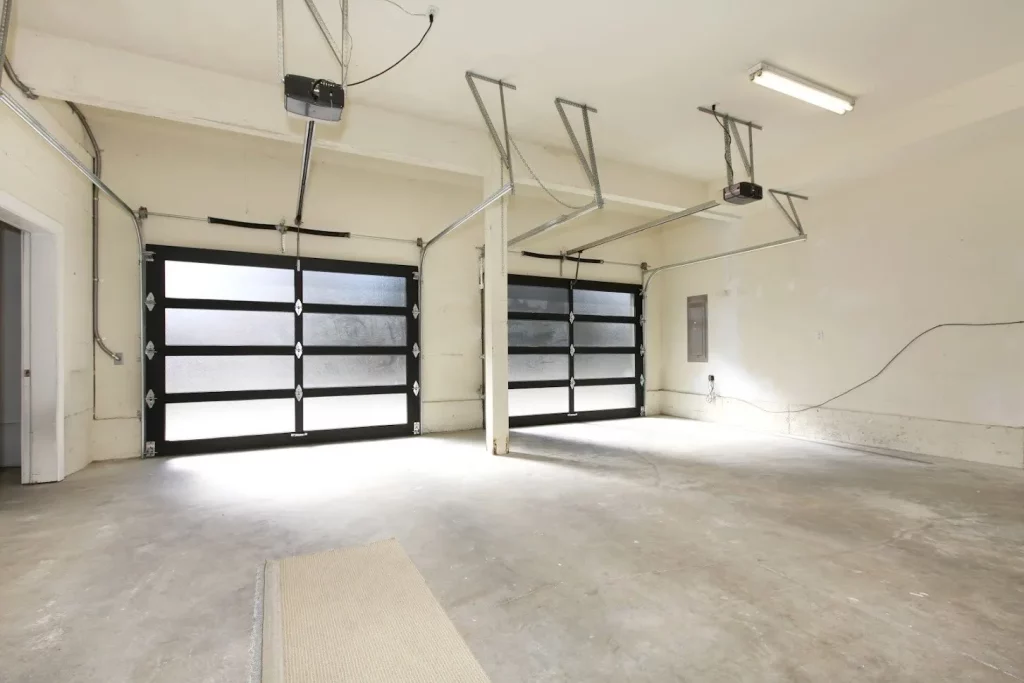
Understanding the Importance of a Healthy Garage Door Opener
Before we delve into the signs of a failing garage door opener, let’s underscore the pivotal role it plays in our daily lives. A reliable opener ensures seamless access to our homes, safeguards our belongings, and contributes to overall home security. Recognizing the signs of impending failure allows homeowners to take proactive measures, preventing inconvenience and potential safety hazards.
Read too: How to Open Garage Door Without Power From Outside Like a Pro? Unlock the Secrets
Signs Your Garage Door Opener Is Failing: A Comprehensive Guide
Strange Noises During Operation
One of the initial indicators that your garage door opener may be on the verge of failure is unusual noises during operation. Grinding, scraping, or clicking sounds can signify issues with the motor or other internal components. Regularly lubricating moving parts can help mitigate this, but persistent noises may indicate a deeper problem.
Slow Response Time
A responsive garage door opener is essential for smooth operation. If you notice a delay between pressing the remote or wall-mounted button and the actual movement of the door, it could signal a failing opener. This delay might be due to problems with the sensors, motor, or circuitry.
Inconsistent Movement
An opener that operates erratically or inconsistently is cause for concern. If your garage door starts to move and then suddenly reverses or gets stuck, it may indicate a failing opener. This issue could be linked to a variety of factors, such as worn-out gears, a misaligned sensor, or electrical problems.
Lack of Response to Remote Controls
If your garage door opener fails to respond to remote control commands consistently, it’s a clear sign that all is not well. This can be attributed to issues with the remote itself, the opener’s receiver, or interference from other electronic devices. Troubleshooting this promptly is crucial to maintain security and convenience.
Visible Wear and Tear
Performing regular visual inspections of your garage door opener can reveal signs of wear and tear. Frayed wires, rust, or misaligned components are red flags that shouldn’t be ignored. Addressing these issues promptly can extend the lifespan of your opener and prevent more extensive damage.
What To Do If You Notice These Signs
Schedule Professional Inspection
If you observe any of the signs mentioned above, it’s advisable to schedule a professional inspection. A certified technician can assess the condition of your garage door opener, identify the underlying issues, and recommend appropriate solutions.
Consider Opener Replacement
In some cases, the best course of action is to replace the garage door opener altogether. Technological advancements have introduced more efficient and secure openers to the market. Upgrading to a newer model can enhance not only the performance but also the security features of your garage door system.
Regular Maintenance
Prevention is always better than cure. Implementing a routine maintenance schedule for your garage door opener can significantly reduce the risk of unexpected failures. Lubricate moving parts, tighten loose screws, and keep the opener clean from dust and debris.
Conclusion
Recognizing the “Signs Your Garage Door Opener Is Failing” is the first step toward ensuring the longevity and efficiency of this essential component of your home. Regular inspections, prompt repairs, and a proactive approach to maintenance can save you from the inconvenience and potential safety risks associated with a failing garage door opener.
Remember, when in doubt, seek the expertise of a professional technician to diagnose and address complex issues. Your garage door opener’s health is crucial for the smooth functioning of your daily life, and being vigilant about its condition is a wise investment in the security and convenience of your home.
Leave a Reply