Garage doors have become an integral part of our daily lives, providing convenience and security. However, when your garage door won’t close with the remote, it can be frustrating and even a security concern. In this comprehensive guide, we’ll explore the common reasons behind this issue and provide step-by-step solutions to help you get your garage door working smoothly once again.
Understanding the Frustration
The Initial Panic
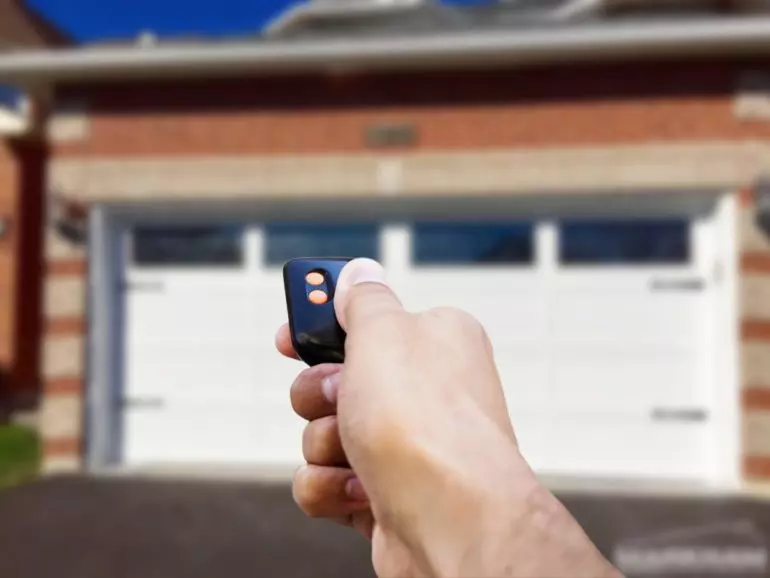
Imagine you’re arriving home after a long day at work, and you press the remote control to close your garage door. To your surprise, nothing happens. You might try again, thinking it’s a momentary glitch, but the issue persists. This is when the frustration sets in.
Possible Security Concerns
Apart from the inconvenience, a garage door that won’t close can pose security risks. An open garage door exposes your belongings and potentially your home to theft or vandalism. Therefore, it’s essential to address this problem promptly.
Common Causes and Solutions
1. Misaligned Safety Sensors
Cause: Most modern garage doors come equipped with safety sensors that prevent the door from closing if they detect an obstruction in the door’s path. If these sensors are misaligned, the door won’t close.
Solution: Check if the sensors are properly aligned and free from dirt or debris. If they are misaligned, gently adjust them until the indicator lights on both sensors are steady and not blinking. Cleaning the sensors with a soft, dry cloth can also help.
2. Weak or Dead Remote Batteries
Cause: Often, the simplest explanation is the correct one. Weak or dead batteries in your garage door remote can prevent it from sending a signal to the door opener.
Solution: Replace the batteries in your remote control. Ensure you use the correct type and follow the manufacturer’s recommendations for battery replacement.
3. Interference with the Signal
Cause: Radio frequency interference can disrupt the communication between your remote control and the garage door opener. Common sources of interference include nearby electronics, wireless devices, or even metal objects in the garage.
Solution: Identify and eliminate potential sources of interference. Move electronic devices away from the garage door opener, and ensure there are no large metal objects obstructing the signal path.
4. Malfunctioning Garage Door Opener
Cause: If your garage door opener itself is malfunctioning, it won’t respond to the remote control.
Solution: Inspect the garage door opener for any visible issues, like loose wires or damaged components. If you can’t identify the problem, it’s best to consult a professional technician to diagnose and repair the opener.
5. Locked Manual Release
Cause: Many garage doors have a manual release mechanism that allows you to open and close the door manually in case of a power outage. If this manual release is engaged, it can prevent the door from responding to the remote control.
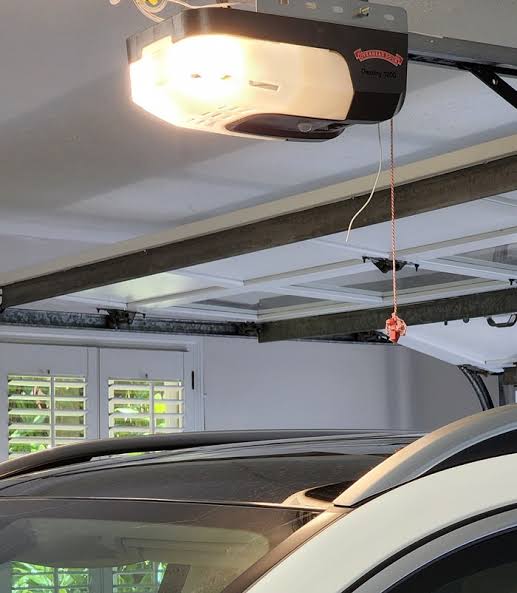
Solution: Locate the manual release mechanism and ensure it is disengaged or in the “down” position. This will allow the garage door opener to function normally with the remote control.
Preventing Future Issues
Once you’ve resolved the issue and your garage door is closing smoothly with the remote, consider taking some preventive measures:
- Regular Maintenance: Schedule routine maintenance for your garage door and opener. This can help catch and address potential problems before they become major issues.
- Battery Checks: Periodically check and replace the batteries in your remote control to ensure it remains functional.
- Clean Sensors: Keep the safety sensors clean and free from obstructions to prevent future misalignment issues.
Conclusion
A garage door that won’t close with the remote can be a frustrating experience, but it’s often a problem with straightforward solutions. By understanding the common causes and taking preventive measures, you can ensure that your garage door continues to provide the convenience and security you rely on. If you’re ever in doubt or unable to identify the issue, don’t hesitate to seek professional assistance to keep your garage door in top working condition.
Leave a Reply