If your Genie garage door won’t close unless you hold the button, it can be a frustrating experience. There are a few things you can check to try to fix the problem. Here are some of the most common causes of this issue:
The safety sensors are misaligned. The safety sensors are designed to prevent the garage door from closing if there is an obstacle in the way. If the sensors are misaligned, the door may think that there is an obstacle and will refuse to close.
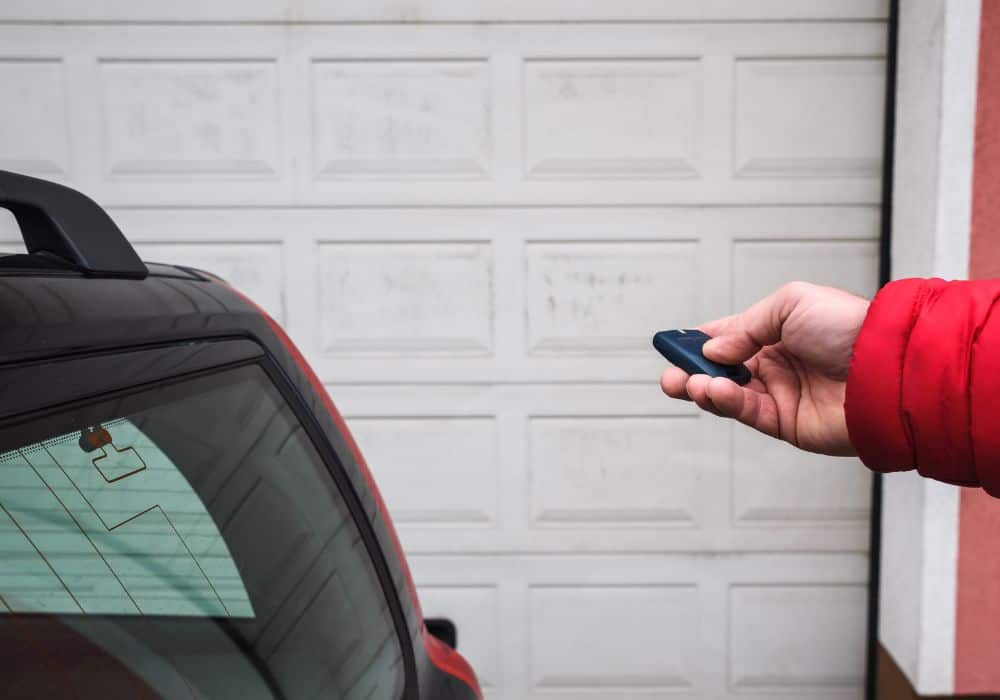
Safety sensors
The safety sensors are located on either side of the garage door, typically about 6 inches above the ground. They are two small, white boxes with a red light on the front. The sensors use a beam of light to detect objects in the way of the garage door. If the beam is interrupted, the garage door will stop closing.
To check if the safety sensors are misaligned, follow these steps:
- Turn off the power to the garage door opener.
- Use a flashlight to inspect the safety sensors. Make sure that the sensors are aligned correctly. The sensors should be about 1 inch apart, with the red lights facing each other.
- If the sensors are not aligned correctly, adjust them. To do this, loosen the screws that secure the sensors to the wall or ceiling. Then, move the sensors until they are aligned correctly.
- Once the sensors are aligned correctly, turn the power back on to the garage door opener.
If the sensors are aligned correctly, but the garage door still won’t close, the next thing you should check is the limit switch.
Limit switch
The limit switch is located on the side of the garage door opener. It is used to tell the garage door opener when to stop opening or closing.
To check if the limit switch is adjusted correctly, follow these steps:
- Turn off the power to the garage door opener.
- Locate the limit switch. It is usually a small, black box with two screws on the front.
- Use a screwdriver to adjust the limit switch. To do this, turn the screw on the limit switch until the door closes completely.
- Once the limit switch is adjusted, turn the power back on to the garage door opener.
If the safety sensors and limit switch are adjusted correctly, the next thing you should check is the garage door opener itself.
Garage door opener
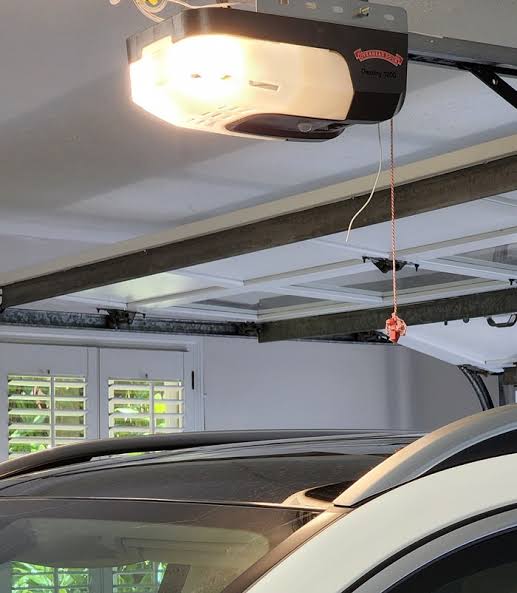
The garage door opener is the motor that powers the garage door. If the garage door opener is defective, it may not be able to close the door properly.
To check if the garage door opener is defective, you may need to call a qualified technician.
Additional tips
- If you have a two-car garage, you may need to adjust the limit switch for each garage door.
- If you are not comfortable checking the safety sensors or limit switch, you can call a qualified technician.
Conclusion
By following the steps outlined in this article, you can usually fix the problem of a Genie garage door that won’t close unless you hold the button.
Additional information
- Genie garage door openers are a popular choice for homeowners. They are known for being reliable and easy to use.
- If you are having problems with your Genie garage door, there are a few things you can do to troubleshoot the problem. By following the steps outlined in this article, you can usually fix the problem yourself.
Read too: How To Manually Open Garage Door With Broken Spring
Additional details
- The safety sensors are located on either side of the garage door, typically about 6 inches above the ground. They are two small, white boxes with a red light on the front. The sensors use a beam of light to detect objects in the way of the garage door. If the beam is interrupted, the garage door will stop closing.
- The limit switch is located on the side of the garage door opener. It is used to tell the garage door opener when to stop opening or closing. The limit switch is typically a small, black box with two screws on the front.
- The garage door opener is the motor that powers the garage door. It is typically located on the wall or ceiling near the garage door. The garage door opener has a number of controls, including a button to open and close the door, a button to stop the door, and a button to reverse the direction of the door.
Leave a Reply