Many dog owners ask How To Keep Dog In Garage With Door Open because they want fresh air, convenience, or visibility—without their dog running into the street or getting hurt. Whether you’re working in the garage, cleaning the house, or giving your dog a cool resting place, this situation requires careful planning. This guide explains safe, humane, and practical ways to keep your dog contained while protecting their health and comfort.
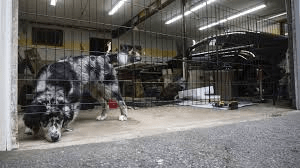
Is It Safe to Keep a Dog in the Garage With the Door Open?
Yes—but only under the right conditions.
A garage can be a safe temporary space if it is:
- Well-ventilated
- Free from toxic chemicals
- Properly secured
- Temperature-controlled
However, an unsafe setup can expose dogs to heat stress, traffic risks, or hazardous substances.
Read too: Why Are My Garage Doors Opening By Themselves? Troubleshooting Guide
When It’s NOT Safe
- Extreme heat or cold
- Running vehicles (carbon monoxide risk)
- Open access to the driveway or street
- Presence of antifreeze, pesticides, or sharp tools
Safety must come before convenience.
Why Dogs Try to Escape an Open Garage
Understanding behavior helps you choose the right solution.
Common Reasons Dogs Run Out
- Curiosity and excitement
- Fear of loud noises
- Separation anxiety
- Lack of physical barriers
- Insufficient mental stimulation
Containment works best when combined with comfort and calmness.
Best Physical Solutions to Keep a Dog in the Garage
1. Install a Garage Pet Gate (Most Popular Option)
A garage pet gate creates a clear physical boundary while allowing airflow.
Pros
- Easy to install
- Adjustable widths
- Allows visibility
- Humane and non-restrictive
Cons
- Not ideal for large jumpers unless tall
💡 Choose gates at least 36–48 inches tall for medium to large dogs.
2. Use a Freestanding Dog Barrier
Freestanding barriers are useful for renters or temporary setups.
Best For
- Short-term use
- Smaller dogs
- Low-energy pets
Limitations
- Can be pushed over by strong dogs
3. Create a Secure Garage Dog Pen
A portable dog pen placed inside the garage offers extra security.
Advantages
- Fully enclosed
- Prevents sudden escapes
- Ideal for active dogs
Tip:
Use a pen with non-slip rubber feet to prevent sliding on concrete.
4. Install a Screen or Mesh Garage Door
Some homeowners install garage door screens that zip or slide.
Benefits
- Maintains airflow
- Blocks exits
- Keeps insects out
Watch Out
- Must be heavy-duty to resist scratching
Why Tethering Is NOT Recommended
Some people tie a dog inside the garage—but experts strongly discourage this.
Risks of Tethering
- Strangulation risk
- Panic and injury
- Aggression development
- Reduced mobility
Modern pet safety guidelines advise barriers over restraints.
Training Methods That Actually Work
Physical barriers work best when paired with training.
Teach a “Boundary Command”
Dogs can learn where they’re allowed to stay.
Step-by-Step Training
- Define the boundary with a gate or tape line
- Reward the dog for staying behind it
- Use a calm verbal cue like “stay” or “place”
- Gradually increase duration
- Practice daily for 5–10 minutes
Consistency builds reliability—but never rely on training alone.
How to Make the Garage Comfortable for Your Dog
A comfortable dog is less likely to escape.
Temperature Control
- Ideal temperature: 22–28°C (72–82°F)
- Use fans (dog-safe, cord-protected)
- Never rely on a running car for cooling
Flooring
- Use rubber mats or dog beds
- Avoid bare concrete for long periods
Water & Hydration
- Provide fresh water at all times
- Clean bowl daily
Toxic Hazards to Remove Immediately
Garages often store dangerous items.
Common Garage Toxins
- Antifreeze (even small amounts are fatal)
- Gasoline and oil
- Fertilizers and pesticides
- Rodent poison
- Paints and solvents
Store chemicals in locked cabinets or remove them completely.
Noise and Stress Management
Garages can be loud and intimidating.
Reduce Stress By:
- Limiting power tool use
- Playing soft background noise
- Avoiding sudden door movements
- Keeping familiar toys nearby
A stressed dog is far more likely to bolt.
How Long Can a Dog Stay in the Garage?
A garage should be a temporary space—not a living area.
Recommended Duration
- Short periods: 30 minutes–2 hours
- With supervision preferred
- Never overnight
Dogs need social interaction, temperature stability, and enrichment.
Seasonal Safety Tips
Summer
- Heat rises fast in garages
- Use airflow and shade
- Watch for panting or lethargy
Winter
- Concrete floors get very cold
- Provide insulation and bedding
- Limit exposure time
Comparison: Containment Options (Quick Guide)
| Method | Safety | Ease | Best For |
|---|---|---|---|
| Pet gate | High | Easy | Most homes |
| Dog pen | Very high | Moderate | Active dogs |
| Screen door | Medium | Easy | Calm dogs |
| Training only | Low | Easy | Backup only |
| Tethering | ❌ Unsafe | Easy | Not recommended |
Legal and Ethical Considerations
In many U.S. states, pets must be kept in humane, safe conditions. Leaving a dog in a hazardous garage environment can be considered neglect.
For general educational background on dog behavior and domestication, you can reference:
https://en.wikipedia.org/wiki/Dog
(This link is provided strictly for informational context.)
Step-by-Step: Safest Setup for Keeping a Dog in the Garage
Here’s a simple, safe setup most homeowners can use:
- Clear the garage of toxic items
- Install a tall pet gate at the opening
- Add a non-slip mat and dog bed
- Place a water bowl (minimum 2 liters)
- Ensure airflow and temperature control
- Supervise initially and observe behavior
This setup balances safety, comfort, and airflow.
FAQ: How To Keep Dog In Garage With Door Open
Frequently Asked Questions
Q1: Can a dog stay in the garage with the door open all day?
A: No. A garage should only be used temporarily and with supervision.
Q2: What is the safest way to block a dog from leaving the garage?
A: A tall pet gate or secure dog pen is the safest option.
Q3: Is it okay to use a leash or chain in the garage?
A: No. Tethering poses serious injury and stress risks.
Q4: How do I keep my dog cool in the garage?
A: Provide airflow, shade, water, and limit time during hot weather.
Q5: Will training alone keep my dog from running out?
A: Training helps but should never replace physical barriers.
Conclusion: Safety First, Always
Knowing How To Keep Dog In Garage With Door Open isn’t just about containment—it’s about safety, comfort, and responsibility. With the right barriers, a hazard-free environment, and short supervised periods, a garage can be a useful temporary space for your dog.
If this guide helped you create a safer setup for your pet, share it on social media so other dog owners can protect their furry friends too.


Leave a Reply