If your garage door opener is outdated, noisy, or broken, it’s natural to ask How To Know What Garage Door Opener To Buy. With so many types, features, and price ranges, making the wrong choice can cost you money and long-term frustration. This guide explains everything step by step—so you can confidently choose the right opener for your home, budget, and lifestyle.
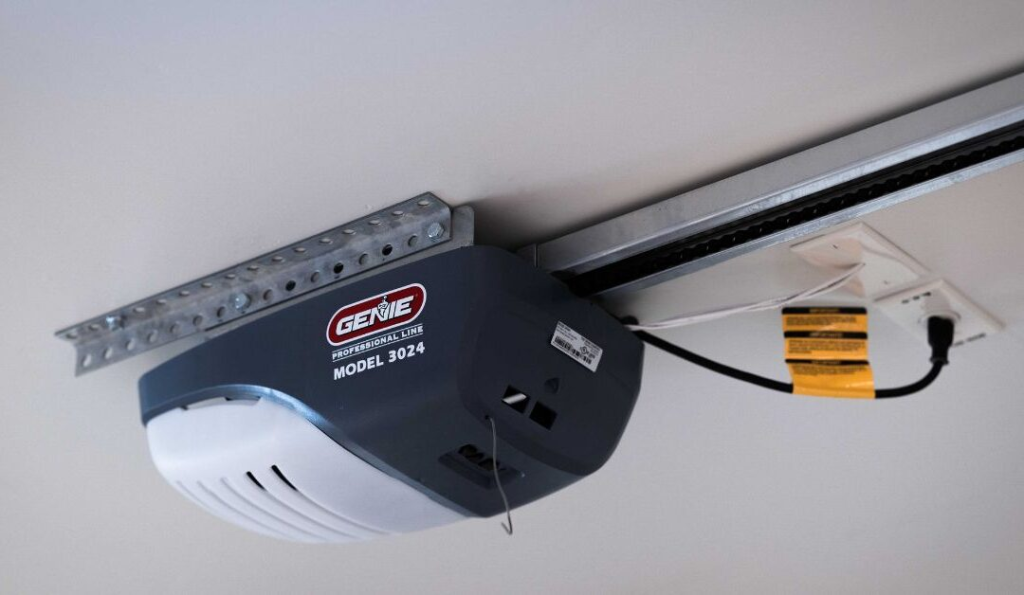
How To Know What Garage Door Opener To Buy: Start With Your Garage Door
The first and most important step is understanding your existing garage door. An opener must match the door—not the other way around.
Read too: Why Are My Garage Doors Opening By Themselves? Troubleshooting Guide
Key Door Details to Check
- Door type (sectional vs tilt-up)
- Door weight and size
- Door material (steel, wood, insulated)
- Spring system (torsion or extension)
If your door feels heavy when lifted manually, it may require a higher horsepower opener or door repair before installation.
Garage Door Opener Types Explained (Pros & Cons)
Understanding opener types answers a big part of how to know what garage door opener to buy.
1. Chain Drive Garage Door Openers
Best for: Budget-conscious homeowners
Pros
- Affordable
- Strong lifting power
- Widely available
Cons
- Noisy
- More vibration
2. Belt Drive Garage Door Openers
Best for: Attached garages
Pros
- Very quiet
- Smooth operation
- Low maintenance
Cons
- Higher cost than chain drives
👉 Belt drive openers are the most popular choice for modern homes.
3. Screw Drive Garage Door Openers
Best for: Low-maintenance users
Pros
- Fewer moving parts
- Reliable in varied climates
Cons
- Moderate noise
- Less common today
4. Wall Mount (Jackshaft) Garage Door Openers
Best for: High ceilings or garage storage
Pros
- No ceiling rail
- Extremely quiet
- Space-saving design
Cons
- Higher price
- Requires torsion spring system
How Much Horsepower Do You Really Need?
Horsepower (HP) determines lifting strength—not speed.
Recommended Horsepower by Door Type
| Door Type | Recommended HP |
|---|---|
| Single aluminum door | ½ HP |
| Double steel door | ¾ HP |
| Insulated door | ¾ – 1 HP |
| Heavy wood door | 1 – 1¼ HP |
💡 Choosing too little power causes premature wear. Choosing more is safer.
Noise Level: A Major Buying Factor
If your garage is attached to living space, noise matters.
Quietest to Loudest
- Wall mount openers
- Belt drive openers
- Screw drive openers
- Chain drive openers
For bedrooms above garages, belt or wall mount is strongly recommended.
Smart Features: Do You Really Need Them?
Smart garage door openers connect to Wi-Fi and mobile apps.
Useful Smart Features
- Open/close via smartphone
- Activity alerts
- Auto-close scheduling
- Integration with smart home systems
These features are especially valuable if you:
- Travel frequently
- Forget to close the garage
- Share access with family
Safety Features You Should Never Skip
Modern openers must meet strict safety standards.
Must-Have Safety Features
- Photo-eye sensors
- Auto-reverse system
- Manual emergency release
- Rolling-code security
According to safety data, sensor-equipped openers reduce injury risk by over 80% compared to older models.
Ceiling Height and Space: Often Overlooked
Garage size affects which opener you can use.
Standard Ceiling (7–8 ft)
- Chain, belt, or screw drive openers
High or Sloped Ceiling
- Wall mount openers
- Extended rail kits
Measure your ceiling height before buying to avoid compatibility issues.
Budget: What Should You Expect to Spend?
Price often determines feature level—not reliability.
Average Price Ranges
- Chain drive: $150–$250
- Belt drive: $250–$400
- Wall mount: $400–$700
Professional installation may add $150–$300, depending on complexity.
Brand Reliability: Does It Matter?
Yes—brand quality impacts longevity and part availability.
Well-known manufacturers like Genie and Chamberlain are popular because:
- Replacement parts are easy to find
- Instructions are DIY-friendly
- Warranties are reliable
Avoid unknown brands with limited support.
Step-by-Step: How To Choose the Right Garage Door Opener
Use this checklist to make a confident decision:
- Identify your door type and weight
- Measure garage ceiling height
- Choose opener type (chain, belt, wall mount)
- Select proper horsepower
- Decide on smart features
- Set your budget
- Confirm compatibility
Following these steps eliminates guesswork.
Common Buying Mistakes to Avoid
Many homeowners regret these errors:
- Buying based on price alone
- Ignoring door weight
- Choosing noisy openers for attached garages
- Skipping safety features
- Not checking ceiling clearance
Avoiding these mistakes saves time and money.
How Long Should a Garage Door Opener Last?
With proper maintenance, a quality opener lasts 10–15 years.
Tips to Extend Lifespan
- Lubricate door hardware annually
- Keep safety sensors clean
- Test auto-reverse monthly
- Replace worn springs promptly
A balanced door reduces opener strain significantly.
Are All Garage Door Openers Universal?
Not exactly.
Compatibility Depends On:
- Door type
- Spring system
- Mounting space
- Power requirements
Always confirm manufacturer specifications before buying.
Industry Standards and Background
Garage door openers in the U.S. follow strict safety and performance standards designed to prevent injury and property damage. For general educational background on garage doors and opener systems, you can reference:
https://en.wikipedia.org/wiki/Garage_door
(This source is provided for general context only.)
FAQ: How To Know What Garage Door Opener To Buy
Frequently Asked Questions
Q1: What is the best garage door opener for most homes?
A: A ¾ HP belt drive opener is ideal for most residential garages.
Q2: Is a wall mount opener worth the cost?
A: Yes, if you want maximum quietness and ceiling space.
Q3: Can I install a garage door opener myself?
A: Yes, most DIY-friendly models can be installed in 3–5 hours.
Q4: Do smart openers increase home value?
A: Indirectly. They improve convenience, safety, and buyer appeal.
Q5: How do I know if my door is too heavy for an opener?
A: If it doesn’t stay halfway open manually, it needs adjustment.
Conclusion: Make a Smart, Confident Purchase
So, how to know what garage door opener to buy? The answer lies in understanding your garage door, choosing the right opener type and horsepower, and prioritizing safety and noise level. When matched correctly, a garage door opener delivers years of quiet, reliable performance.
If this guide helped you choose with confidence, share it on social media so other homeowners can avoid costly mistakes too.


Leave a Reply