If your garage door sounds like a freight train every time it opens, you’re not alone. Many homeowners search for How To Quiet A Chain Drive Garage Door Opener because the noise can be disruptive, especially early in the morning or late at night. The good news is that you can significantly reduce the noise without replacing the entire system.
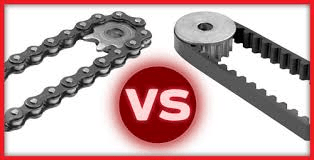
How To Quiet A Chain Drive Garage Door Opener (Quick Answer)
The most effective ways to quiet a chain drive garage door opener include lubricating moving parts, tightening loose hardware, adjusting chain tension, upgrading rollers, and isolating vibration. When done correctly, these steps can reduce noise by up to 40–60%, according to garage door industry estimates.
Read too: Mastering Quantum Garage Door Opener Programming: A Comprehensive Guide
Why Are Chain Drive Garage Door Openers So Loud?
Chain drive openers use a metal chain to move the door along the rail. Metal-on-metal contact naturally produces more noise than belt-driven systems.
Common noise sources include:
- Loose chains
- Dry rollers and hinges
- Vibrating mounting brackets
- Worn sprockets
- Poor door balance
Understanding the cause helps you fix the problem instead of masking it.
Is It Normal for a Chain Drive Garage Door Opener to Be Loud?
Yes—to a degree. Chain drive openers are known to be louder than belt or screw drives. However, excessive rattling, banging, or grinding is not normal and usually signals maintenance issues.
Step-by-Step: How To Quiet A Chain Drive Garage Door Opener
1. Lubricate All Moving Parts (Most Important Step)
Lack of lubrication is the #1 cause of garage door noise.
What to lubricate:
- Chain
- Rollers
- Hinges
- Bearings
- Torsion springs
How to do it:
- Use a garage-door-specific lubricant (silicone or lithium-based).
- Apply a thin, even coat—avoid dripping.
- Operate the door 2–3 times to distribute lubricant.
📌 Avoid WD-40—it’s a cleaner, not a long-term lubricant.
2. Adjust the Chain Tension Properly
A loose chain slaps against the rail, creating noise. An overly tight chain strains the motor.
Proper tension guideline:
- Chain should sag about 1/4 to 1/2 inch at the midpoint.
Steps:
- Unplug the opener.
- Locate the adjustment bolt near the motor.
- Tighten or loosen gradually (¼ turn at a time).
- Recheck after running the opener.
3. Tighten All Hardware and Fasteners
Vibration loosens bolts over time.
Check and tighten:
- Rail bolts
- Ceiling mounting brackets
- Motor housing bolts
- Door hinges
Use a wrench—not a power drill—to avoid over-tightening.
4. Replace Metal Rollers with Nylon Rollers
Metal rollers are noisy, especially when worn.
Why nylon rollers help:
- Quieter operation
- No metal-on-metal sound
- Longer lifespan
According to garage door professionals, nylon rollers can reduce noise by up to 50%.
5. Isolate Vibration from the Ceiling
Noise often travels through framing, not the air.
Simple vibration fix:
- Add rubber isolation pads between the opener and ceiling brackets
- Use rubber washers on mounting bolts
This step is especially effective in homes with bedrooms above the garage.
6. Check Door Balance (Critical for Noise Reduction)
An unbalanced door strains the opener and increases noise.
Quick balance test:
- Disconnect the opener.
- Lift the door halfway.
- Release carefully.
✔️ Door stays in place = balanced
❌ Door falls or rises = needs adjustment (call a pro)
7. Inspect the Sprocket and Gear Assembly
Worn sprockets create grinding sounds.
Warning signs:
- Clicking or grinding
- Chain slipping
- Uneven movement
Replacing worn gears can dramatically reduce noise and prevent motor failure.
Chain Drive vs Belt Drive: Noise Comparison
| Feature | Chain Drive | Belt Drive |
|---|---|---|
| Noise Level | Loud | Very quiet |
| Cost | Lower | Higher |
| Durability | High | High |
| Maintenance | More frequent | Minimal |
| Best For | Detached garages | Attached garages |
Does Insulation Help Reduce Garage Door Opener Noise?
Yes. Insulating the garage door and walls can absorb sound vibrations.
Effective soundproofing upgrades:
- Insulated garage door panels
- Acoustic foam on walls
- Weather stripping around the door
While not a cure, insulation noticeably reduces echo and vibration.
Can Regular Maintenance Prevent Garage Door Noise?
Absolutely. Experts recommend maintenance every 6–12 months.
Basic maintenance checklist:
- Lubricate moving parts
- Tighten hardware
- Check chain tension
- Inspect rollers
- Test door balance
Preventive care keeps noise levels low and extends opener life.
When Should You Replace Instead of Repair?
Consider replacement if:
- Opener is over 15–20 years old
- Noise persists after all fixes
- Gears or motor are failing
Modern openers are significantly quieter and more energy-efficient.
Safety Note: When to Call a Professional
Call a garage door technician if:
- Springs need adjustment
- Door is off-track
- Motor overheats
- You hear loud snapping sounds
Springs are under extreme tension and can be dangerous.
What Professionals Say About Garage Door Noise
According to home improvement specialists, over 70% of garage door noise complaints are resolved with lubrication and roller upgrades alone. This highlights how effective simple fixes can be.
Understanding Garage Door Mechanisms
For a deeper technical overview of garage door systems, you can reference Wikipedia’s garage door article:
https://en.wikipedia.org/wiki/Garage_door
FAQ: How To Quiet A Chain Drive Garage Door Opener
Q1: Can I make a chain drive opener as quiet as a belt drive?
Not completely, but proper maintenance can make it much quieter.
Q2: How often should I lubricate my garage door?
Every 6 months, or sooner if noise returns.
Q3: Is chain noise a sign my opener is failing?
Sometimes. Persistent grinding or slipping may indicate gear wear.
Q4: What lubricant is best for garage doors?
Silicone or white lithium grease designed specifically for garage doors.
Q5: Will tightening the chain damage the opener?
Yes, if overtightened. Always maintain slight slack.
Q6: Is it worth upgrading to a belt drive opener?
If noise is a major concern and your garage is attached, yes.
Conclusion
Learning How To Quiet A Chain Drive Garage Door Opener doesn’t require expensive replacements. With proper lubrication, hardware tightening, chain adjustment, and smart upgrades like nylon rollers, you can dramatically reduce noise and extend the life of your opener.
If this guide helped you reclaim a quieter home, share it on social media so other homeowners can enjoy peaceful mornings too.
Leave a Reply