If you’re thinking, “I locked my garage door opener in the garage,” you’re definitely not alone—and yes, it’s stressful. This situation usually happens at the worst possible time: late at night, during bad weather, or when you’re already in a hurry. The good news is that there are safe, legitimate ways to regain access without damaging your garage door or putting yourself at risk.
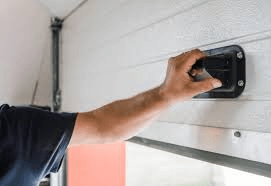
This guide walks you through step-by-step solutions, explains why this happens, and shows you how to prevent it from ever happening again.
I Locked My Garage Door Opener In The Garage — Why Does This Happen?
Most garage lockouts happen due to simple habits, not mechanical failures.
Common Causes
- You closed the garage using the wall button, not the remote
- The interior door to the house was locked
- The garage door auto-locked (manual slide lock engaged)
- The remote battery died while outside
Read too: The Complete Guide to Tighten Chain On Garage Door Opener for Smooth Operation
According to home security data, over 60% of garage lockouts are user-related, not equipment failure.
Is It Safe to Try Opening the Garage Door Yourself?
Yes—if you use the correct method.
What you should not do:
- ❌ Pry the door open
- ❌ Force panels upward
- ❌ Cut cables or springs
Garage doors can weigh 130–400 lbs, and improper force can cause serious injury.
For background on how garage door mechanisms work, you can review the basic overview on Wikipedia.
Fastest Solutions If You’re Locked Out of Your Garage


4
Below are ranked solutions, from easiest to more advanced.
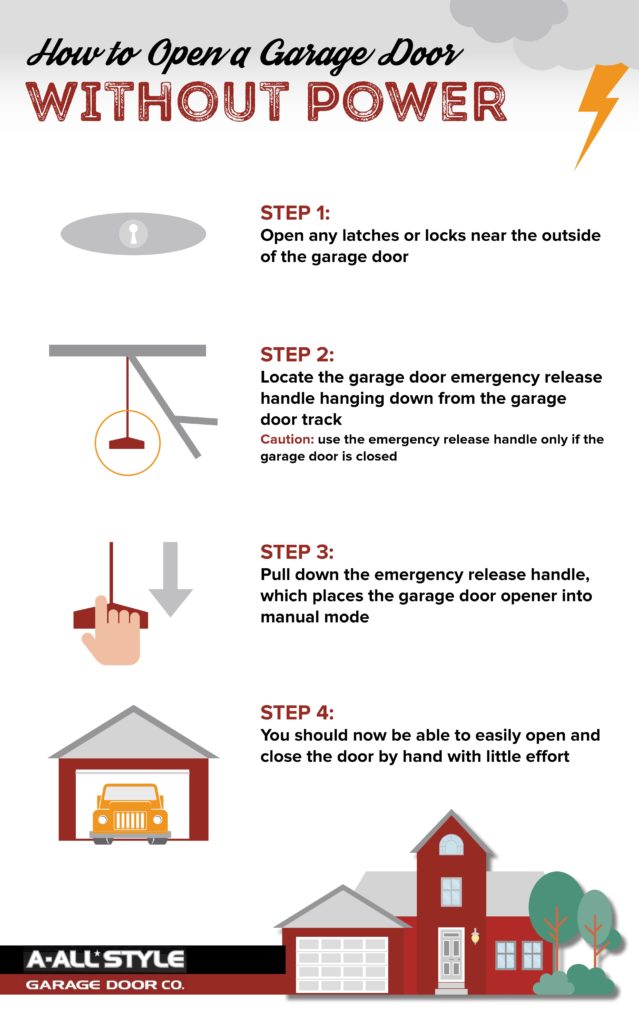
Solution 1: Use the Emergency Release (If Accessible)
When This Works
- Your garage door has an external emergency release kit
- Common in older US homes
How To Do It
- Insert the release key into the lock
- Turn it to unlock the emergency cable
- Pull gently to disengage the opener
- Lift the door manually
⏱️ Time required: 1–2 minutes
⚠️ Caution: Door may be heavy—lift evenly.
Solution 2: Enter Through the House (If Possible)
If your garage connects to your home:
Check for:
- Unlocked side or back doors
- Basement access
- Smart locks controlled by phone
Many homeowners forget they can unlock a smart door remotely even if the garage opener is inside.
Solution 3: Use a Keypad (If Installed)
Why Keypads Save the Day
Wireless keypads mounted outside the garage allow entry without a remote.
Steps:
- Enter your PIN
- Press “Enter”
- Door opens normally
If you’ve never set one up, skip to the prevention section—it’s one of the best long-term fixes.
Solution 4: Manually Trip the Emergency Release From Outside (Advanced)
Use this only if you’re confident and careful.
Tools Needed
- Long coat hanger or wire (30–40 inches)
- Flashlight
Steps
- Create a small hook at the end of the wire
- Slide it through the top of the door
- Catch the emergency release cord
- Pull straight down
- Lift door manually
⚠️ Important: This method works only on certain door designs and should be used cautiously.
Solution 5: Call a Professional Locksmith or Garage Technician
When to Call for Help
- No emergency release access
- Door is jammed or damaged
- You’re unsure and want zero risk
💵 Average cost in the US:
- Locksmith: $75–150
- Garage door technician: $90–180
It’s far cheaper than repairing a bent door or broken spring.
What NOT to Do When Locked Out of Your Garage
Avoid these costly mistakes:
❌ Breaking a window
❌ Forcing the door upward
❌ Cutting cables or springs
❌ Using power tools
Garage torsion springs are under extreme tension and can cause severe injury.
How Long Can a Garage Stay Closed Without Damage?
Good news: indefinitely, if untouched.
Garage doors don’t suffer damage from staying closed. Problems only occur when:
- Force is applied incorrectly
- Tracks are bent
- Cables are stressed unevenly
So take a breath—there’s no rush that requires risky actions.
How to Prevent Locking Your Garage Door Opener Inside Again
Prevention is easier than recovery.
Best Long-Term Solutions
1. Install an Exterior Keypad
- Costs $30–60
- No remote needed
2. Keep a Spare Remote
- Store one in your car (hidden)
- Or with a trusted neighbor
3. Use Smart Garage Technology
- Control your door via smartphone
- Check door status remotely
4. Disable Manual Slide Locks
- Many accidental lockouts come from forgotten slide locks
Quick Comparison: Prevention Options
| Method | Cost | Reliability |
|---|---|---|
| Keypad | Low | Very high |
| Spare remote | Low | High |
| Smart opener | Medium | Very high |
| Exterior release | Medium | Moderate |
When This Problem Signals a Bigger Issue
Sometimes, locking yourself out is a symptom, not the main problem.
Watch for:
- Door not responding consistently
- Opener clicking but not moving
- Door reversing unexpectedly
These may indicate opener wear or sensor issues that should be inspected.
FAQ: I Locked My Garage Door Opener In The Garage
Frequently Asked Questions
Q1: Can I damage my garage door by pulling it open?
Yes. Pulling without disengaging the opener can damage gears and rails.
Q2: Is it safe to use the emergency release from outside?
Yes—if done carefully and only when necessary.
Q3: How common is this problem?
Very common. It’s one of the top 10 garage service calls in the US.
Q4: Can I prevent this without replacing my opener?
Absolutely. A keypad or spare remote solves the issue.
Q5: Should I leave my garage door unlocked?
No. Always balance convenience with security.
Conclusion
If you’ve ever said, “I locked my garage door opener in the garage,” now you know you’re not stuck—and you’re not alone. With the right approach, you can regain access safely, avoid costly damage, and set up smart prevention so it never happens again.
If this guide helped you stay calm and solve the problem, share it on social media—you might save someone else from a stressful (and expensive) garage lockout.
Leave a Reply