Choosing the right garage door opener can feel overwhelming, especially when durability, safety, and long-term value are on the line. Many homeowners still search for the LiftMaster Garage Door Opener Professional Line 1/3 HP because of its reputation for reliability and professional-grade construction. In this guide, we’ll break down exactly what this model offers, who it’s best for, and whether it still makes sense in today’s market.
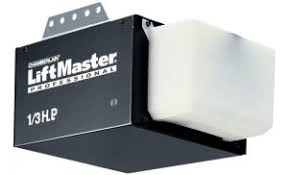
What Is the LiftMaster Garage Door Opener Professional Line 1/3 HP?
The LiftMaster Garage Door Opener Professional Line 1/3 HP is a residential garage door opener designed primarily for light to standard-weight garage doors. It was widely installed by professional garage door technicians due to its dependable motor, reinforced internal components, and compatibility with LiftMaster’s safety systems.
Unlike many DIY retail models, LiftMaster Professional Line units were traditionally sold through authorized dealers, ensuring correct installation and long-term reliability.
Read too: The Complete Guide to Tighten Chain On Garage Door Opener for Smooth Operation
Key Highlights at a Glance
- Motor power: 1/3 horsepower (HP)
- Designed for: Single-car or lightweight double-car doors
- Drive systems: Chain or belt (model-dependent)
- Target user: Homeowners prioritizing reliability over advanced smart features
Is a 1/3 HP Garage Door Opener Powerful Enough?
This is one of the most common questions homeowners ask—and for good reason.
When 1/3 HP Is Enough
A 1/3 HP garage door opener is suitable if:
- Your garage door is single-car
- The door is made of aluminum or steel (non-insulated)
- The door weighs under 150 lbs
- Springs are properly balanced and maintained
According to industry standards, a balanced door should require less than 10 lbs of force to lift manually. When that’s the case, a 1/3 HP motor performs efficiently without strain.
When It’s Not Ideal
You may want a stronger motor (1/2 HP or higher) if:
- Your door is solid wood
- It’s a double-wide garage door
- The door includes heavy insulation
- You open and close the garage multiple times daily
Professional Line vs Consumer Models: What’s the Difference?
LiftMaster’s Professional Line is often compared to consumer brands like Chamberlain. While both brands are manufactured by the same parent company, there are meaningful differences.
Professional Line Advantages
- Stronger internal gears
- Longer service life
- Designed for professional installation
- Higher duty cycle
Consumer Line Limitations
- Shorter lifespan under frequent use
- More plastic internal components
- Often designed for easy DIY replacement rather than long-term servicing
This distinction explains why many older LiftMaster Professional Line openers still operate reliably after 15–20 years.
Key Features of LiftMaster Garage Door Opener Professional Line 1/3 HP
1. AC Motor Reliability
Unlike modern DC motors, this unit uses a traditional AC motor, known for:
- Long lifespan
- Stable torque output
- Lower sensitivity to voltage fluctuations
While AC motors are louder, they are often preferred for durability.
2. Safety Sensor System
The opener includes photoelectric safety sensors, which stop and reverse the door if an obstruction is detected. This system aligns with US federal safety requirements introduced in the early 1990s.
These sensors help prevent:
- Injury to children and pets
- Damage to vehicles
- Liability issues for homeowners
For more background on garage door safety standards, see the overview on Wikipedia.org:
https://en.wikipedia.org/wiki/Garage_door_opener
3. Manual Release for Power Outages
A red emergency release cord allows you to disengage the motor during a power outage, enabling manual operation. This is especially critical during storms or electrical failures.
4. Compatibility With LiftMaster Accessories
Even older Professional Line units are often compatible with:
- Universal remotes
- Exterior wireless keypads
- Replacement logic boards
- Safety sensor upgrades
This backward compatibility adds significant long-term value.
Pros and Cons: Quick Comparison
Advantages
- ✅ Proven long-term reliability
- ✅ Ideal for lightweight doors
- ✅ Professional-grade internal components
- ✅ Easy to repair and service
- ✅ Affordable on the secondary market
Disadvantages
- ❌ Louder than belt-drive DC models
- ❌ No built-in Wi-Fi or smart features
- ❌ Not suitable for heavy or oversized doors
Installation: What Homeowners Should Know
Professional vs DIY Installation
While technically possible to install yourself, this opener was designed for professional installation.
Professional installation ensures:
- Correct spring tension assessment
- Proper rail alignment
- Safety sensor calibration
- Warranty compliance (where applicable)
Basic Installation Steps (Overview)
- Mount motor unit securely to ceiling joists
- Attach rail system to garage header
- Install safety sensors 6 inches above floor level
- Connect door arm to balanced door
- Test auto-reverse using a 1.5-inch solid object
⚠️ Improper installation is the leading cause of opener failure and safety incidents.
Maintenance Tips to Extend Lifespan
With proper care, this opener can last 15+ years.
Monthly Checks
- Inspect safety sensors for alignment
- Test auto-reverse function
- Listen for unusual grinding noises
Annual Maintenance
- Lubricate rail and chain with garage-rated lubricant
- Tighten mounting bolts
- Inspect door balance manually
A well-maintained door reduces strain on the motor by up to 40%, according to garage industry service data.
Is the LiftMaster Garage Door Opener Professional Line 1/3 HP Still Worth Buying?
Best For:
- Budget-conscious homeowners
- Single-car garages
- Replacement for older LiftMaster units
- Users who prioritize reliability over smart features
Not Ideal For:
- Smart-home enthusiasts
- Heavy custom garage doors
- Ultra-quiet operation needs
If you find this model new old stock or refurbished in good condition, it remains a solid, dependable choice.
FAQ: LiftMaster Garage Door Opener Professional Line 1/3 HP
Q1: Can a 1/3 HP LiftMaster opener lift a double garage door?
A: It may work temporarily, but it’s not recommended. Double doors typically require at least 1/2 HP for safe, long-term operation.
Q2: Is this opener compatible with modern LiftMaster remotes?
A: Many models are compatible with universal LiftMaster remotes, though logic board compatibility should be verified.
Q3: Why is my LiftMaster Professional Line opener noisy?
A: AC motors and chain drives naturally produce more noise. Proper lubrication and tightening hardware can significantly reduce sound.
Q4: How long does a LiftMaster Professional Line opener last?
A: With regular maintenance, 15–20 years is common, especially for light-duty use.
Q5: Can I add Wi-Fi or smart controls?
A: Not natively. External smart controllers may work, but full integration is limited compared to newer models.
Conclusion
The LiftMaster Garage Door Opener Professional Line 1/3 HP remains a dependable solution for homeowners with lightweight garage doors who value durability over cutting-edge technology. Its professional-grade construction, proven motor design, and long service life make it a smart option—especially as a replacement unit or budget-friendly upgrade.
If you found this guide helpful, share it with friends or family who are researching garage door openers. The right information can save years of frustration—and hundreds of dollars.


Leave a Reply