If your Liftmaster Garage Door Opener Starts To Close Then Reverses, you’re not alone. This is one of the most common issues homeowners face, and it’s usually tied to safety sensors, force settings, or door alignment.
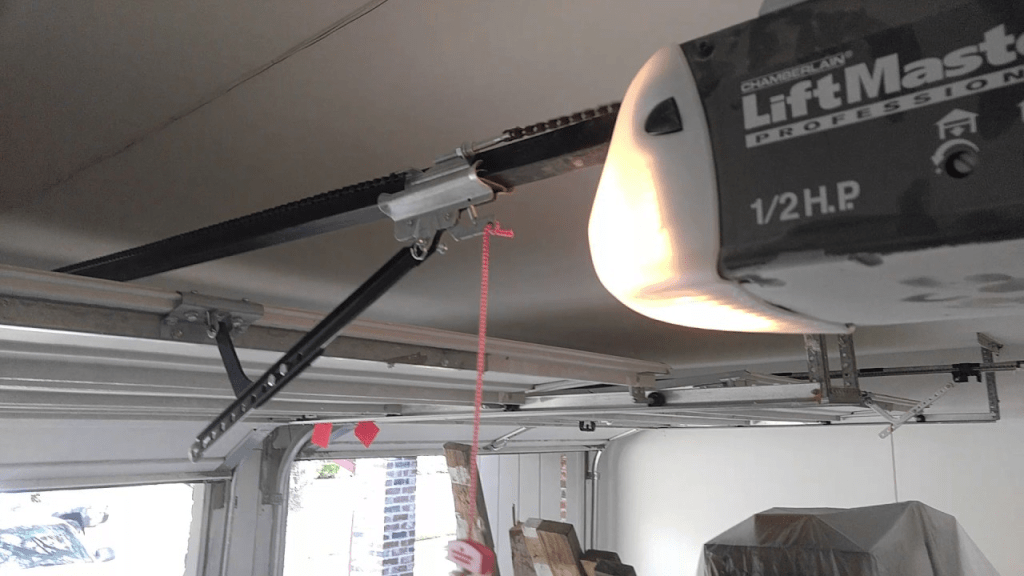
The good news: most causes are simple to diagnose and fix with basic tools and a clear checklist.
Why Does a Garage Door Reverse Before Closing? (Safety First)
Modern openers are designed to reverse automatically if they detect resistance or a blocked sensor path. This is a required safety behavior to prevent injury or property damage.
Most LiftMaster units rely on:
- Photoelectric safety sensors
- Travel limit settings
- Down-force sensitivity
- Track and roller alignment
For a background on how these systems work, see the overview of a garage door opener on Wikipedia:
https://en.wikipedia.org/wiki/Garage_door_opener
Is This Problem Usually Sensors, Force, or Alignment?
In real-world service calls, technicians report the following rough distribution:
| Cause | Frequency | Difficulty |
|---|---|---|
| Misaligned safety sensors | Very common | Easy |
| Dirty sensor lenses | Very common | Easy |
| Incorrect down-force setting | Common | Easy |
| Travel limit mis-set | Common | Moderate |
| Track/roller resistance | Moderate | Moderate |
| Wiring issue | Rare | Moderate |
Start with sensors. They solve the issue over 60% of the time.
Step 1 — Check the Safety Sensors (Most Likely Cause)


4
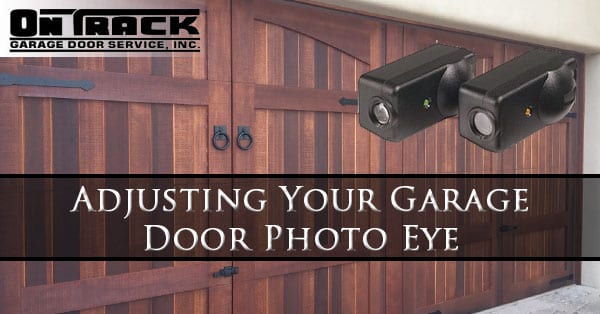
LiftMaster sensors sit 4–6 inches above the floor on both sides of the door.
What to Look For
- One LED solid green, the other solid amber/green
- No blinking lights
- Sensors facing each other perfectly
Fix
- Loosen the wing nut
- Adjust until LEDs stay solid
- Tighten gently
- Clean lenses with a dry cloth
- Remove anything blocking the beam (dust, spider webs, leaves)
Read too: Mastering the Art of How to Open a Garage Door Safely and Efficiently
Pro tip: Sunlight shining directly into a sensor can cause false trips. Shade it slightly if needed.
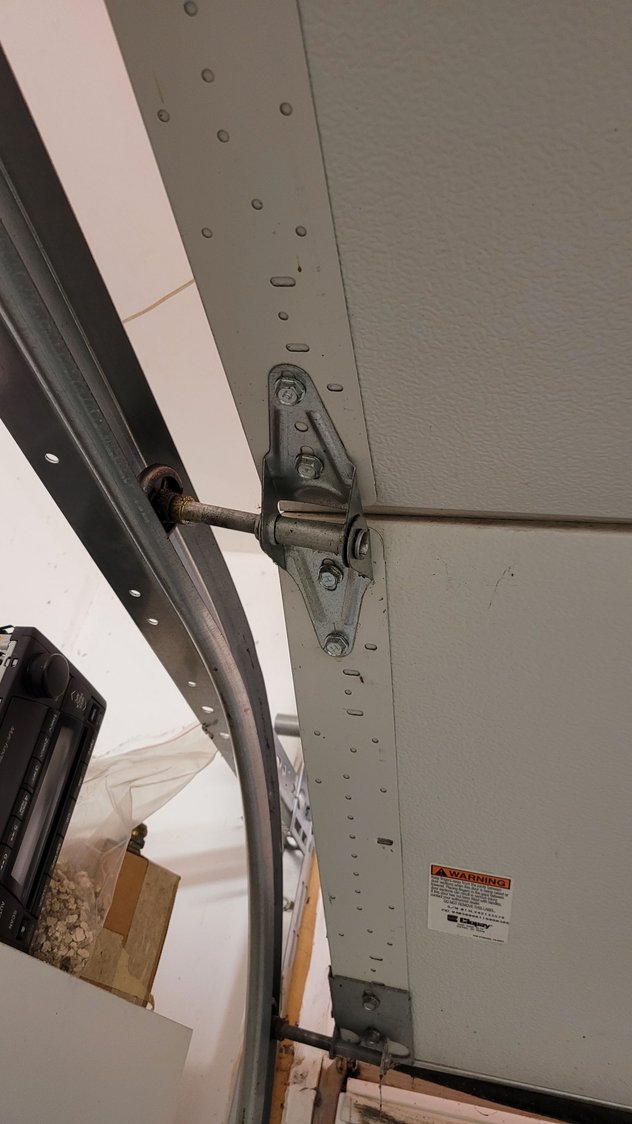
Step 2 — Clean and Inspect the Door Tracks
4
If the opener senses resistance, it assumes something is under the door.
Check for
- Dirt or hardened grease in tracks
- Bent track sections
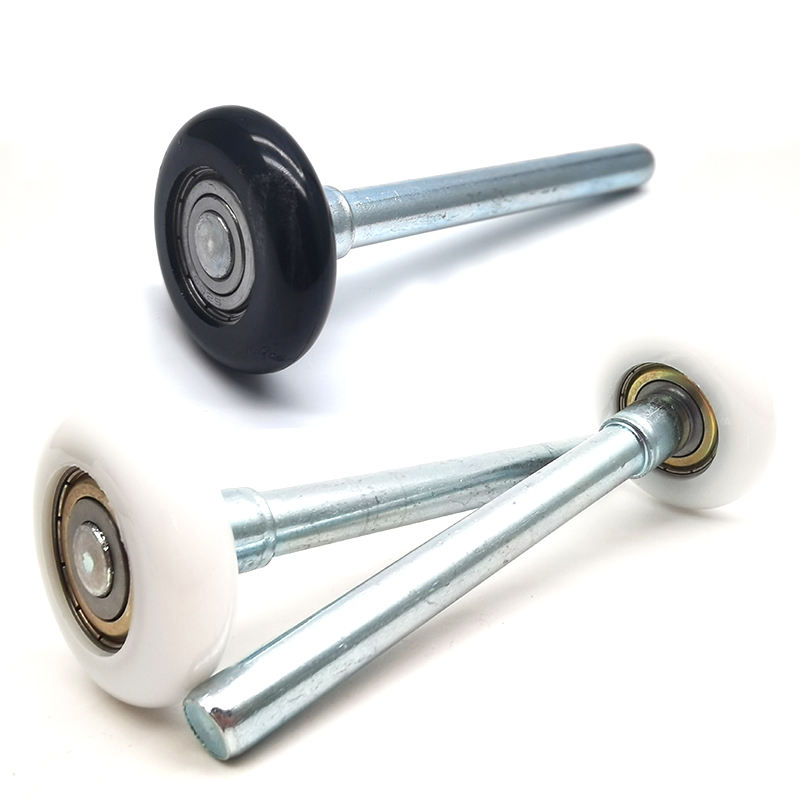
- Worn or flat-spotted rollers
Fix
- Wipe tracks clean (no lubricant inside tracks)
- Use silicone spray on rollers and hinges
- Ensure tracks are vertical using a level
Step 3 — Adjust the Down Force Setting
If the force is too sensitive, the door reverses before touching the floor.
How to Adjust
- Locate Force Adjustment Screws on the opener housing
- Turn Down Force clockwise ¼ turn
- Test the door
- Repeat until door closes smoothly
Do not over-increase. The door should still reverse if it hits a solid object.
Step 4 — Reset the Travel Limits

4
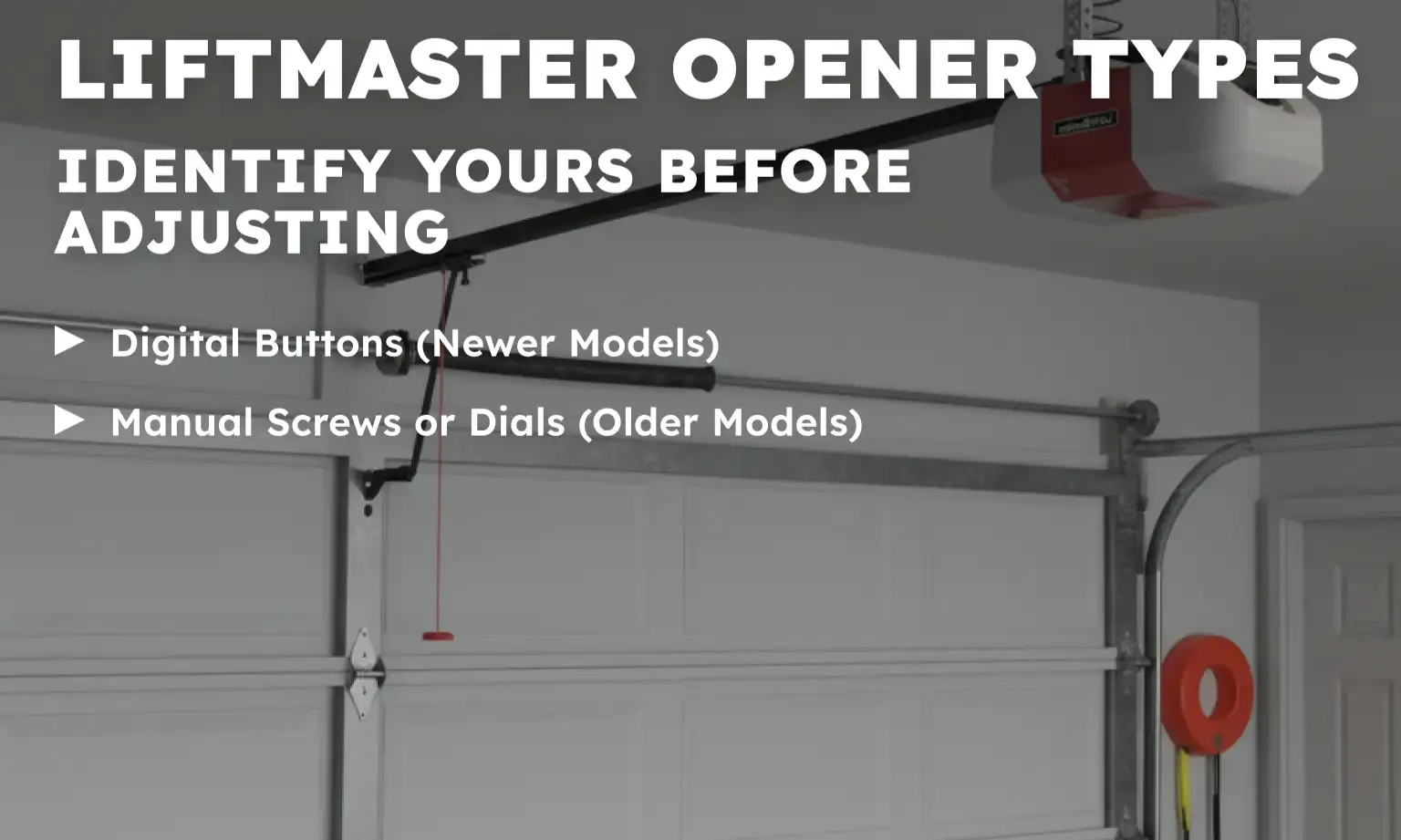
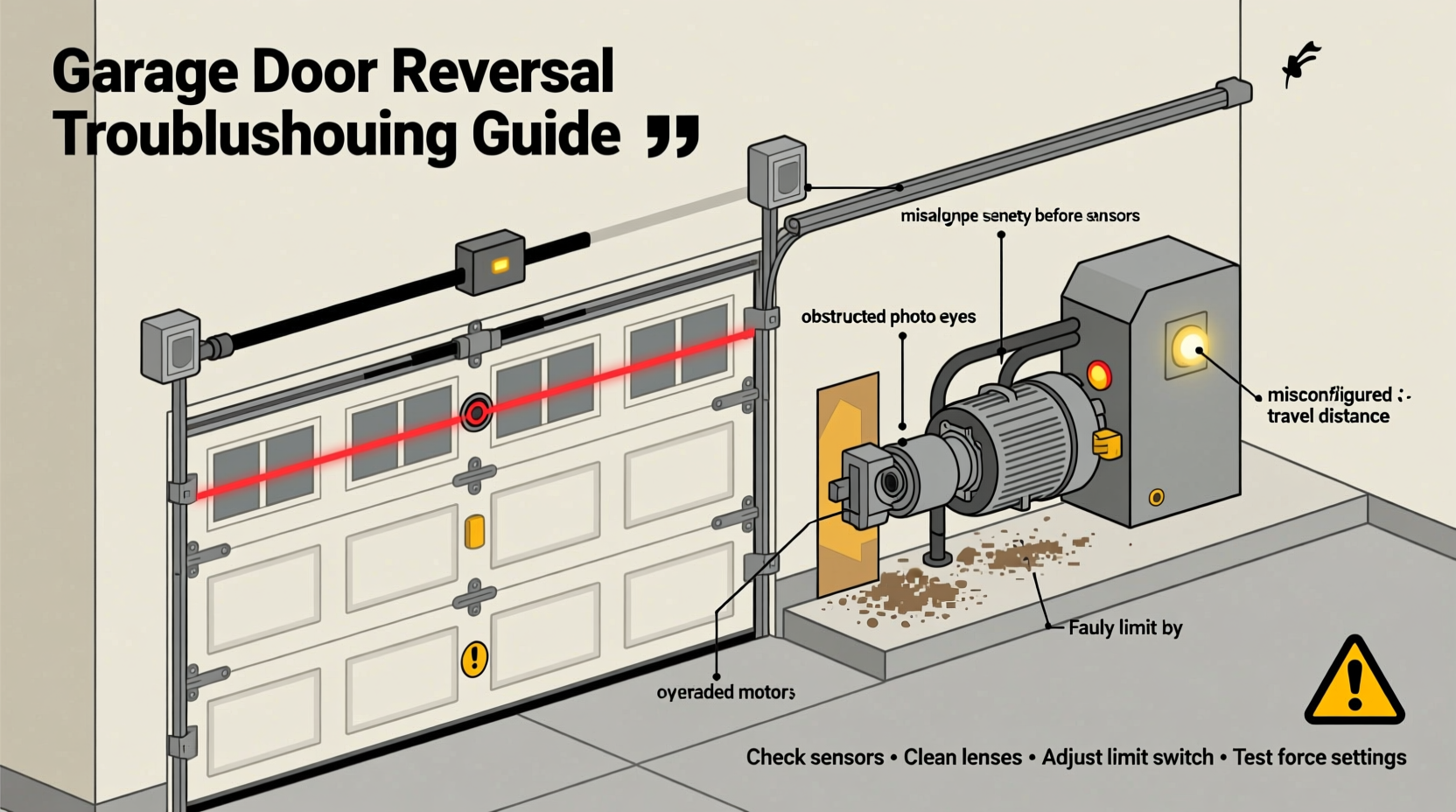
Travel limits tell the opener how far the door should move.
Signs Limits Are Wrong
- Door stops 1–2 inches before the floor
- Door touches floor then reverses
Fix
- Turn Down Limit screw clockwise slightly
- Test close cycle
- Repeat in small increments
Some newer models use a Learn button procedure instead of screws.
Step 5 — Test Door Balance (Manual Test)
An unbalanced door creates resistance.
How to Test
- Pull the emergency release cord
- Lift the door halfway manually
- Let go
Result
- Stays in place → Good balance
- Falls or rises → Spring tension issue (call a pro)
Step 6 — Check for Wiring Issues
Look for:
- Loose wires at sensor terminals
- Staples piercing low-voltage wire
- Corrosion at connections
Re-strip and reconnect if needed.
Quick Troubleshooting Checklist
| Symptom | Most Likely Cause | Fix |
|---|---|---|
| Blinking sensor light | Misalignment | Adjust sensors |
| Door hits floor, reverses | Travel limit | Adjust down limit |
| Reverses mid-way | Track resistance | Clean & lubricate |
| Reverses randomly | Sunlight/sensor dirt | Clean & shade |
| Struggles to move | Force too low | Increase down force |
When to Call a Professional
Call a technician if:
- Springs are loose or broken
- Door is severely unbalanced
- Motor hums but door doesn’t move
- You’ve tried all steps without success
Spring systems are under extreme tension and dangerous to adjust yourself.
FAQ — LiftMaster Door Reversal Issues
Q1: Why does my LiftMaster door close 1 foot then reverse?
Usually sensor misalignment or track resistance.
Q2: Can sunlight affect garage door sensors?
Yes. Direct sunlight can overload the photo eye.
Q3: How often should I lubricate garage door parts?
Every 6 months using silicone-based lubricant.
Q4: Is this a sign my opener is failing?
Rarely. This issue is almost always mechanical or sensor-related.
Q5: Do cold temperatures cause this problem?
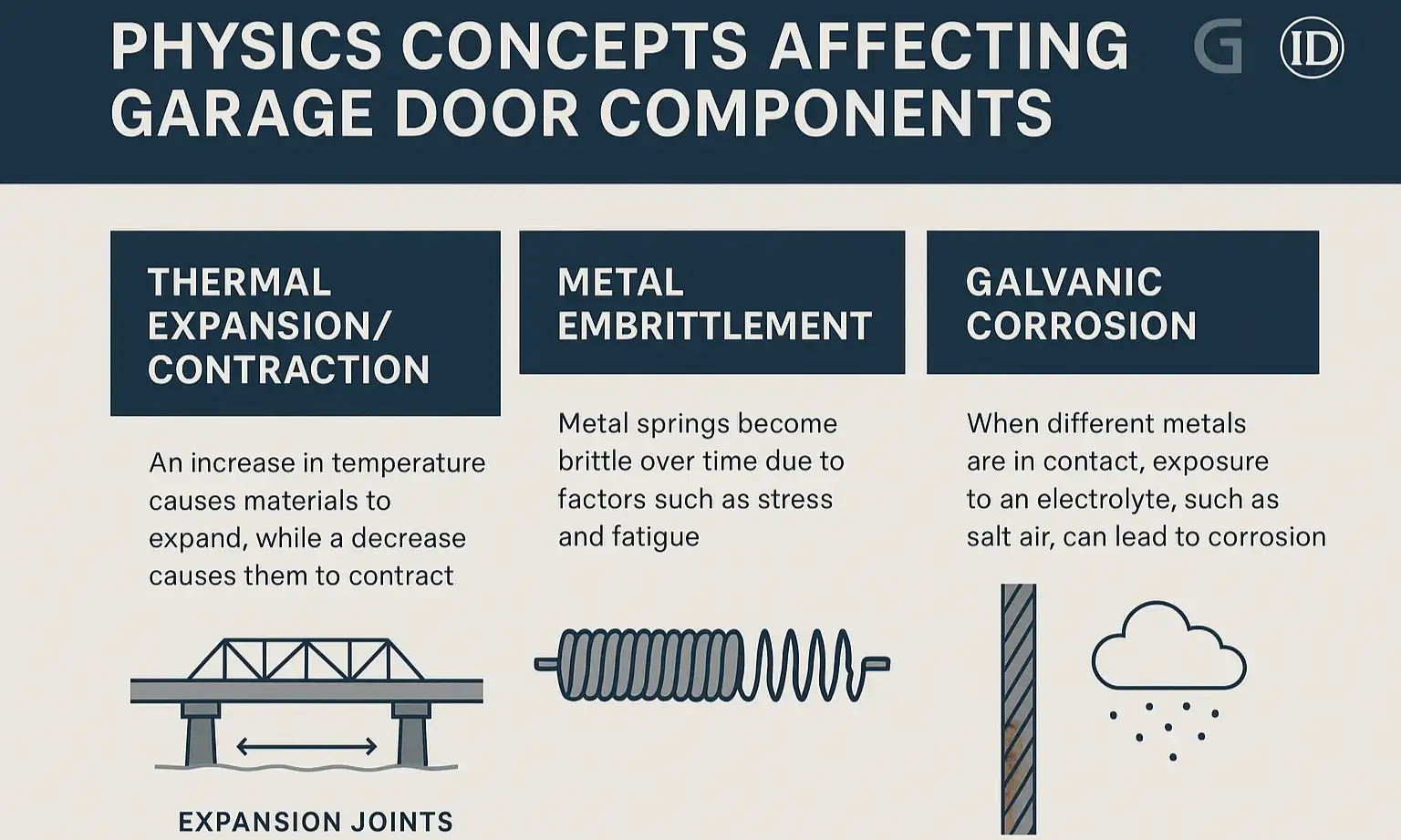
Yes. Metal contraction can increase track resistance.
Conclusion
When your Liftmaster Garage Door Opener Starts To Close Then Reverses, the problem is almost always tied to sensors, limits, force, or alignment—not a broken opener. By following this step-by-step guide, you can diagnose and fix the issue in under an hour with simple tools.
If this guide helped you, share it on social media to help other homeowners fix their garage doors quickly and safely.


Leave a Reply