If you’re dealing with the frustrating issue where My Garage Door Will Only Open A Few Inches, you’re not alone. This is one of the most common emergency garage door problems homeowners face.
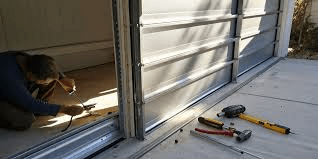
The door starts to open… then stops. Or it lifts 2–6 inches and drops back down. That usually means something mechanical is wrong — but in many cases, you can quickly identify the cause.
Let’s walk through the exact reasons and how to fix them safely.
Why My Garage Door Will Only Open A Few Inches
When someone searches “My Garage Door Will Only Open A Few Inches,” the cause usually falls into one of these categories:
- Broken torsion spring
- Disconnected opener trolley
- Track obstruction
- Frozen door seal
- Opener force setting issue
Read too: Mastering Quantum Garage Door Opener Programming: A Comprehensive Guide
Garage doors weigh between 130–400 pounds, depending on material. The opener does not lift that weight alone — the spring system carries most of the load.
You can review how a garage door system works to understand why springs are critical.
According to service industry data, over 70% of cases where a door opens only a few inches are caused by a broken spring.
Let’s diagnose step-by-step.
Is the Torsion Spring Broken?
The #1 Cause
If your door opens a few inches and stops, check the torsion spring.
Signs of a Broken Spring:
- Loud “bang” heard recently
- Visible gap in the spring coil
- Door feels extremely heavy
- Opener strains or hums
How to Inspect:
- Disconnect the opener using the emergency release cord.
- Try lifting the door manually.
- If it feels very heavy or won’t lift — the spring is likely broken.
⚠️ Do NOT attempt to replace torsion springs yourself. They are under extreme tension and can cause serious injury.
Could the Garage Door Be Frozen to the Ground?
In colder climates, moisture can freeze the bottom seal to the concrete.
Signs It’s Frozen:
- Door lifts slightly then slams shut
- No unusual mechanical noise
- Recent freezing temperatures
Quick Fix:
- Use warm (not boiling) water along the bottom seal.
- Use 1–2 liters at approximately 90–110°F.
- Gently break the ice seal.
- Dry the area to prevent refreezing.
Avoid forcing the opener — that can damage gears.
Is the Emergency Release Disconnected?
If the trolley is disengaged, the opener motor may run without lifting the door.
Check This:
- Is the red release cord hanging down?
- Does the opener run but the door barely moves?
Fix:
- Pull the red cord toward the door.
- Manually lift the door slightly.
- Run the opener to re-engage the trolley.
This is a simple fix that many homeowners overlook.
Is Something Blocking the Tracks?
Track obstructions or bent rails can stop movement early.
Inspection Checklist:
- Look for debris in tracks
- Check for bent metal
- Inspect roller alignment
- Ensure brackets are tight
Step-by-Step:
- Disconnect opener.
- Inspect tracks with flashlight.
- Remove debris.
- Tighten loose bolts with socket wrench.
If tracks are severely bent, professional repair is recommended.
Could the Opener Force Setting Be Too Low?
Garage door openers use force settings to prevent crushing hazards.
If the force is too low, the opener stops when it senses resistance.
How to Adjust Force Settings:
- Locate force adjustment dials on the motor unit.
- Turn the “Up Force” slightly clockwise.
- Test after each small adjustment.
Adjust gradually. Over-adjusting compromises safety.
Comparison Table: Quick Diagnosis Guide
| Symptom | Likely Cause | DIY Safe? |
|---|---|---|
| Loud snap heard | Broken spring | No |
| Door very heavy | Broken spring | No |
| Opens slightly, cold weather | Frozen seal | Yes |
| Motor runs, door doesn’t lift | Trolley issue | Yes |
| Stops early with slight movement | Force setting | Yes |
| Jerky or crooked | Track issue | Sometimes |
What If the Door Closes But Won’t Open Fully?
If it closes normally but opens only a few inches:
- Spring may be partially damaged
- Cable may be loose
- One side spring may have failed
Extension spring systems can fail on one side, causing uneven lifting.
⚠️ Uneven doors are dangerous. Call a professional immediately.
How Much Does It Cost to Fix?
| Repair Type | Average Cost |
|---|---|
| Spring replacement | $150–$350 |
| Track repair | $125–$250 |
| Opener adjustment | $75–$150 |
| Full opener replacement | $350–$800 |
Replacing springs promptly prevents motor burnout — which can cost significantly more.
When Should You Stop Troubleshooting?
Stop DIY attempts if:
- You see a broken spring
- The door is crooked
- Cables are loose
- The door slams down
Safety comes first. Springs store significant tension energy.
FAQ Section
Why does my garage door only open a few inches and stop?
Most commonly due to a broken torsion spring. The opener cannot lift the full door weight alone.
Can I open the garage door manually if the spring is broken?
It’s possible but extremely heavy and risky. Assistance is recommended.
Why does my door open a few inches then reverse?
This may indicate a force setting issue or mechanical resistance.
How do I know if my torsion spring is broken?
Look for a visible gap in the coil or listen for a loud snapping sound.
Can cold weather cause this problem?
Yes. Freezing can temporarily seal the door to the ground.
How long do garage door springs last?
Most are rated for 10,000 cycles (7–10 years average use).
Conclusion
If My Garage Door Will Only Open A Few Inches, the most likely cause is a broken spring — but frozen seals, track obstructions, or force settings can also be responsible.
Start with safe checks:
- Inspect the spring
- Check manual lift
- Examine tracks
- Review force settings
Never ignore warning signs. Addressing the problem early prevents larger and more expensive repairs.
If this guide helped you diagnose your issue, consider sharing it with others who might be facing the same frustrating garage door problem.
Leave a Reply