If you’re locked out of your garage, you might have searched for Opening A Overhead Garage Door With A Coat Hanger hoping for a quick fix. It’s a common suggestion online—but is it safe, legal, or even realistic with modern garage systems?
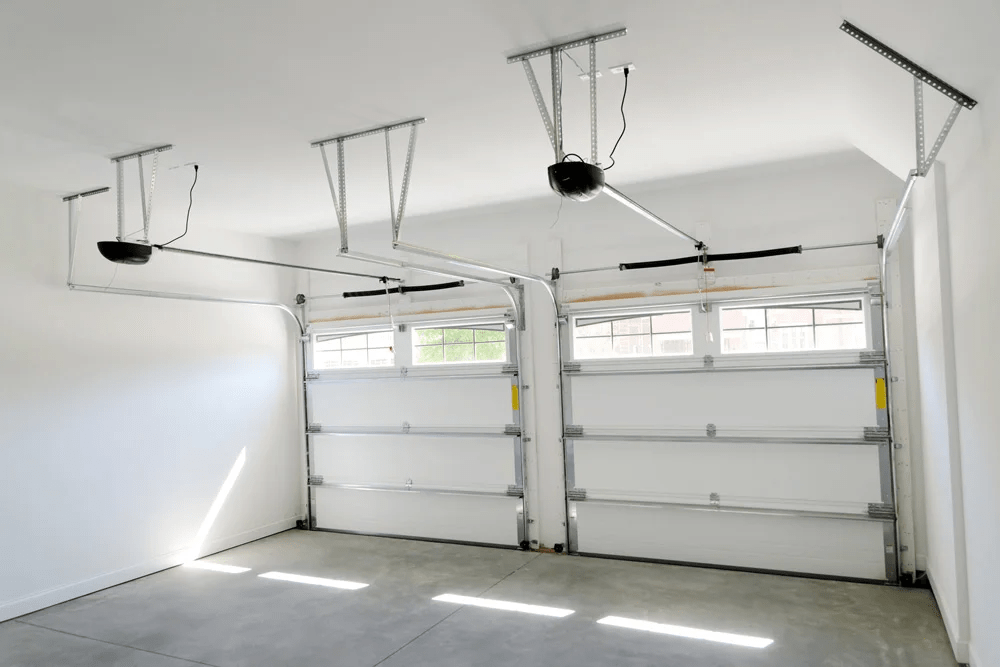
Before attempting anything that could damage your property or compromise your security, it’s important to understand how overhead garage doors work, why coat hanger methods are outdated, and what safer alternatives are available.
Read too: Mastering the Art of Adjusting a Chamberlain Garage Door Opener for Smooth Operation and Safety
Can You Really Open an Overhead Garage Door With a Coat Hanger?
In older garage door systems—particularly those installed before the early 2000s—it was sometimes possible to manipulate the emergency release cord using a wire or coat hanger inserted through the top seal.
However, modern overhead garage doors are designed specifically to prevent this type of bypass.
Today:
- Most openers include shielded release mechanisms
- Automatic openers have reinforced trolleys
- Smart systems include rolling code technology
- Federal safety standards require improved security
Garage doors are part of residential security systems, and manufacturers continuously update designs to prevent unauthorized access.
For general reference on how garage doors operate mechanically, you can review:
https://en.wikipedia.org/wiki/Garage_door
Why Is Opening A Overhead Garage Door With A Coat Hanger Risky?
Attempting to open a garage door this way carries several risks:
1. Legal Consequences
Trying to bypass a garage door lock—even on your own property—can appear suspicious and may violate local laws if done improperly.
2. Property Damage
You may:
- Bend door panels
- Damage weather stripping
- Break the emergency release
- Misalign tracks
Garage door repairs can cost $150–$600 or more depending on damage.
3. Personal Injury Risk
Garage doors weigh between 130 and 400 pounds depending on material. Mishandling components can result in:
- Finger injuries
- Spring recoil injuries
- Door collapse
Torsion springs store high tension energy and should never be tampered with casually.
How Do Overhead Garage Doors Actually Work?
Understanding the mechanism helps explain why coat hanger tricks rarely work today.
Core Components:
- Door panels
- Track system
- Torsion or extension springs
- Automatic opener motor
- Trolley system
- Emergency release cord
The emergency release disconnects the door from the motor so it can be lifted manually—usually during a power outage.
Modern systems protect this mechanism from external access.
Why Did the Coat Hanger Method Work in the Past?
Older overhead doors often had:
- Visible emergency cords
- Wider top gaps
- Less reinforced seals
By sliding a hooked wire through the top weather stripping, someone could theoretically pull the release handle.
Manufacturers quickly addressed this vulnerability once it became widely known.
Today, most openers include:
- Release shields
- Reinforced brackets
- Smaller access gaps
What Should You Do If You’re Locked Out?
If you’re searching for Opening A Overhead Garage Door With A Coat Hanger, chances are you’re locked out.
Here are safer alternatives.
Safe & Legal Ways To Access Your Garage
1. Use the Manual Key Release (If Installed)
Many modern garage doors include an external emergency release kit.
How it works:
- Insert a physical key into a lock cylinder
- Pull the release cable externally
- Lift the door manually
This is designed specifically for lockout situations.
2. Enter Through Another Door
Check for:
- Side entry door
- Back patio access
- Basement entry
Never force entry unless it’s your property and absolutely necessary.
3. Reset or Replace Remote Batteries
Sometimes the issue is simply:
- Dead remote battery
- Disconnected opener
- Circuit breaker tripped
Quick troubleshooting steps:
- Replace remote battery (usually CR2032).
- Check breaker panel.
- Test wall-mounted control button.
4. Contact a Licensed Garage Door Technician
Professional service typically costs:
- $75–$150 for emergency callout
- Additional labor if parts are damaged
This is far safer than risking structural damage.
How To Improve Garage Door Security
If you’re worried about break-ins, consider upgrading security features.
Recommended Security Upgrades
✔ Install a release shield
✔ Add smart garage door opener
✔ Enable rolling code technology
✔ Use motion lighting
✔ Reinforce side door locks
Modern smart openers allow:
- Mobile app monitoring
- Real-time alerts
- Remote lock control
Are Coat Hanger Methods Still Possible on Any Doors?
In rare cases, very old garage doors without security upgrades may still be vulnerable.
However:
- Attempting this can cause damage.
- Many homeowners unintentionally worsen the situation.
- Upgrading outdated systems is strongly recommended.
If your system is older than 20 years, consider replacement for safety and efficiency.
Pros and Cons of Trying DIY Garage Entry
Potential Advantages (Short-Term)
✔ Immediate access (if successful)
✔ No service fee
Major Risks
✖ Property damage
✖ Injury
✖ Legal consequences
✖ Security compromise
✖ Voided manufacturer warranty
The risks significantly outweigh the benefits.
What To Do During a Power Outage
If your concern is power failure, here’s the proper way to disengage your garage door safely:
Step-by-Step Safe Manual Operation
- Ensure door is fully closed.
- Pull emergency release cord from inside.
- Lift door evenly using both hands.
- Secure door in open position if needed.
- Reconnect trolley after power restoration.
Never attempt manual lifting if springs appear damaged.
When Should You Replace Your Garage Door?
Consider replacement if:
- Door is 15–25 years old
- Frequent breakdowns occur
- Security features are outdated
- Panels are dented or warped
New garage door systems improve:
- Energy efficiency
- Security
- Home resale value
Does Insurance Cover Garage Door Damage?
If damage occurs due to:
- Storm
- Vandalism
- Accident
Homeowner’s insurance may cover repairs.
Damage caused by improper DIY attempts usually is not covered.
FAQ Section
1. Can you open a garage door with a coat hanger?
In most modern systems, no. Manufacturers have added security features to prevent this method.
2. Is it illegal to open your own garage this way?
It may not be illegal on your own property, but it can cause damage and appear suspicious. Safer methods are recommended.
3. Why won’t my garage door open even when I pull the cord?
The door may be locked, springs may be broken, or the trolley may not disengage properly.
4. What is the safest way to access a locked garage?
Use an external emergency release kit or call a licensed garage door technician.
5. Can garage doors be hacked easily?
Modern systems with rolling codes and smart security are difficult to hack when properly installed.
6. How much does it cost to fix a damaged garage door?
Minor repairs range from $150–$600. Major replacements can exceed $1,000.
Conclusion
Searching for Opening A Overhead Garage Door With A Coat Hanger usually comes from frustration during a lockout. However, this outdated method is rarely effective on modern systems—and it carries serious risks.
Instead of risking damage or injury:
- Use proper emergency release systems
- Check remote and power issues
- Contact a professional if needed
- Upgrade security features
Your garage door protects one of the main entry points to your home. Treat it like the security system it is.
If you found this guide helpful, share it on social media to help others choose safe, responsible solutions for garage access.


Leave a Reply