If you’ve noticed an orange light on your garage door sensor, you might be wondering what it means and whether it’s something to worry about. Garage door sensors are a vital safety feature, ensuring that the door doesn’t close on people, pets, or objects. However, when a sensor isn’t working correctly, it can disrupt the door’s operation.
In this guide, we’ll dive into the significance of the orange light on your garage door sensor, explore potential causes, and provide actionable solutions to resolve the issue.
What Does the Orange Light on a Garage Door Sensor Mean?
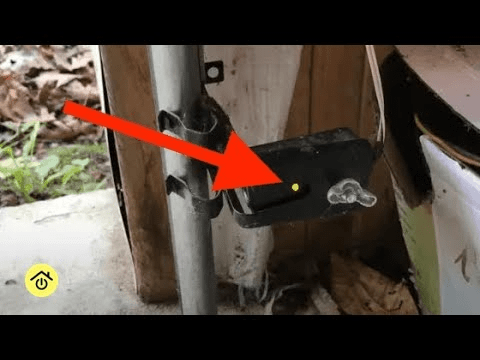
Garage door sensors typically include two components: a transmitter and a receiver. The orange light is often found on the transmitter sensor and indicates that it’s powered and functioning as it should. However, if the orange light is blinking, dim, or off altogether, it suggests a problem with alignment, power, or the sensor itself.
Read too: Door and Garage Door Companies: Choosing the Right Partner for Your Needs
Common Issues Related to the Orange Light on Garage Door Sensor
There are several reasons why you might encounter an issue with your garage door sensor’s orange light. Let’s look at the most common ones:
1. Misaligned Sensors
For the sensors to function properly, they need to be perfectly aligned. If the transmitter and receiver aren’t facing each other directly, the system won’t operate correctly.
2. Dirty or Obstructed Sensor Lenses
Dirt, dust, or cobwebs on the sensor lens can interfere with the signal between the transmitter and receiver.
3. Damaged Wiring
Wiring problems, such as frayed wires or loose connections, can disrupt the power supply to the sensor, affecting the orange light.
4. Faulty Sensor
Sometimes, the sensor itself might be malfunctioning due to internal damage or manufacturing defects.
5. Interference from Sunlight or Other Sources
Bright sunlight shining directly on the sensor can interfere with its operation, as can strong LED lights.
Troubleshooting an Orange Light on Garage Door Sensor
If you’re dealing with an orange light on your garage door sensor, follow these troubleshooting steps to resolve the issue:
1: Check the Alignment
- Inspect the Sensors: Ensure both sensors are securely mounted and facing each other.
- Adjust the Sensors: If one sensor is slightly off, gently reposition it until the orange light turns solid.
- Use a Level: A level tool can help ensure the sensors are perfectly aligned.
2: Clean the Sensor Lenses
- Turn Off Power: For safety, disconnect the garage door opener from its power source.
- Wipe the Lenses: Use a soft, lint-free cloth to clean the sensor lenses. Avoid using harsh chemicals that might damage the sensors.
3: Inspect the Wiring
- Examine the Cables: Look for any signs of fraying, cuts, or loose connections near the sensors.
- Reconnect Loose Wires: Secure any loose wires to restore a stable power connection.
- Call a Professional: If the wiring seems severely damaged, it’s best to consult a technician for repairs.
4: Test for Obstructions
- Clear the Path: Remove any objects, debris, or cobwebs blocking the sensor’s line of sight.
- Check the Environment: Ensure that bright sunlight or reflective surfaces aren’t interfering with the sensors.
5: Reset the System
- Power Down: Disconnect the garage door opener from power for a few minutes.
- Reconnect and Test: Plug it back in and test the garage door to see if the issue persists.
Orange Light on Garage Door Sensor: When to Call a Professional
While many sensor issues can be resolved with basic troubleshooting, there are situations where professional assistance is necessary:
- Persistent Misalignment: If the sensors keep going out of alignment despite adjustments.
- Internal Damage: When a sensor appears physically damaged or unresponsive.
- Wiring Problems: If you’re unsure how to safely repair damaged wires, let a professional handle it.
How to Prevent Issues with Garage Door Sensors
Regular maintenance can minimize the chances of encountering problems with your garage door sensors:
1. Perform Monthly Inspections
- Check for proper alignment and cleanliness of the sensors.
- Test the door’s operation by blocking the sensor’s beam and ensuring the door doesn’t close.
2. Protect the Sensors
- Avoid placing objects near the sensors that could accidentally bump or dislodge them.
- Install protective covers if your garage is prone to heavy debris or moisture.
3. Keep the Garage Clean
A clutter-free garage reduces the likelihood of dirt and debris interfering with the sensor’s function.
4. Schedule Professional Tune-Ups
Annual maintenance by a technician can help catch and address sensor issues early.
FAQs About Orange Light on Garage Door Sensor
Q: Why is the orange light blinking on my garage door sensor?
A: A blinking orange light usually indicates a misalignment between the sensors or an obstruction in their path. Adjusting the sensors or clearing debris can often fix the problem.
Q: Can I replace a faulty garage door sensor myself?
A: Yes, replacing a sensor is possible if you’re comfortable with basic wiring. However, consult your garage door opener’s manual for specific instructions and safety precautions.
Q: What happens if I ignore a malfunctioning garage door sensor?
A: Ignoring sensor issues can compromise safety, as the garage door may close on objects, people, or pets without proper detection.
Benefits of Addressing Orange Light Issues Promptly
Resolving sensor problems quickly ensures:
- Enhanced Safety: A functioning sensor prevents accidents and damage.
- Improved Door Performance: The garage door operates smoothly without interruptions.
- Longevity: Properly maintained sensors last longer and reduce the need for costly replacements.
Conclusion
The orange light on garage door sensor is more than just a status indicator—it plays a crucial role in the safety and functionality of your garage door. By understanding what the orange light means, identifying common problems, and following troubleshooting steps, you can keep your garage door running smoothly and safely.
For persistent issues, don’t hesitate to seek professional assistance to ensure your system operates at its best. Regular maintenance and proactive care can save you time, money, and hassle in the long run.
Leave a Reply