If your garage door opener stops working or starts making unusual noises, you may wonder what are the parts of a garage door opener and which component might be causing the issue. Understanding the main parts can help you diagnose problems faster and maintain your system more effectively.
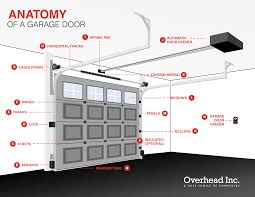
A garage door opener may look simple from the outside, but it contains several important mechanical and electronic components working together. In this guide, you’ll learn what each part does, how they interact, and why proper maintenance can extend the lifespan of your opener.
Read too: How To Replace Garage Door Roller Like a Pro? Step-by-Step Guide
What Are The Parts Of A Garage Door Opener?
To understand what are the parts of a garage door opener, it helps to break the system into three main categories:
- Motor and drive system
- Movement and support components
- Safety and control features
Together, these components lift and lower your garage door safely and efficiently.
According to the Door & Access Systems Manufacturers Association, automatic garage door openers are installed in over 70% of homes with garages in the United States, making them one of the most widely used home automation devices.
Let’s explore the essential parts in detail.
The Motor Unit: The Heart of the System
The motor unit is the central component that powers the entire garage door opener.
It is typically mounted on the ceiling in the middle of the garage.
What the Motor Unit Does
The motor unit converts electrical energy into mechanical motion, allowing the system to move the garage door along the rail.
Key Components Inside the Motor Unit
The motor housing usually contains:
- Electric motor
- Gear system
- Control board
- Light sockets
- Learn/program button
Why It Matters
A strong motor ensures the door opens smoothly without strain.
Typical power ratings include:
| Door Type | Recommended Motor Power |
|---|---|
| Single aluminum door | 1/2 HP |
| Double steel door | 3/4 HP |
| Heavy wooden door | 1 HP |
Choosing the right motor power helps prevent premature wear and mechanical failure.
The Rail System: The Door’s Pathway
The rail is the long metal track that connects the motor unit to the garage door.
It guides the trolley as the opener moves the door.
Types of Rail Systems
Depending on the opener type, the rail may contain:
- Chain drive system
- Belt drive system
- Screw drive rod
Why the Rail Is Important
The rail ensures the door moves in a straight and controlled path.
If the rail becomes bent or misaligned, you may notice:
- Jerky door movement
- Grinding noises
- Uneven opening
Proper alignment is essential for smooth operation.
The Trolley: The Moving Connector
The trolley is a small but crucial component that connects the rail system to the garage door.
It travels back and forth along the rail when the motor runs.
Function of the Trolley
The trolley pulls the door arm, which raises or lowers the garage door.
Key Features
Most trolleys include:
- A carriage mechanism
- Emergency release connection
- Attachment point for the door arm
Common Problems
Over time, trolleys may wear down, causing:
- Slipping motion
- Delayed door movement
- Grinding sounds
Replacing a worn trolley often restores smooth operation.
The Drive Mechanism: Chain, Belt, or Screw
The drive system is the mechanism that transfers power from the motor to the trolley.
There are three main types.
1. Chain Drive
Uses a metal chain similar to a bicycle chain.
Advantages
- Durable
- Affordable
- Good for heavy doors
Disadvantages
- Noisy
- Requires lubrication
2. Belt Drive
Uses a reinforced rubber belt.
Advantages
- Quiet operation
- Smooth movement
- Less vibration
Disadvantages
- Slightly more expensive
3. Screw Drive
Uses a threaded steel rod.
Advantages
- Fewer moving parts
- Faster door movement
Disadvantages
- Sensitive to temperature changes
Each drive system affects noise level, maintenance needs, and long-term reliability.
The Emergency Release Cord
The emergency release cord is a safety feature that allows you to manually operate the garage door during a power outage.
It is usually a red rope hanging from the trolley.
How It Works
Pulling the cord disconnects the trolley from the opener motor.
This allows the garage door to move freely by hand.
When It’s Used
Common situations include:
- Power outages
- Motor failure
- System maintenance
Important Safety Tip
Only use the emergency release when the door is fully closed to prevent sudden movement.
Safety Sensors: Preventing Accidents
Modern garage door openers include photoelectric safety sensors.
These sensors are mounted 6 inches above the garage floor on both sides of the door.
What They Do
They create an invisible infrared beam across the door opening.
If something blocks the beam while the door is closing, the opener immediately reverses.
Why This Feature Is Critical
Safety sensors help prevent accidents involving:
- Children
- Pets
- Vehicles
- Objects under the door
For more technical details about garage door systems, see:
https://en.wikipedia.org/wiki/Garage_door_opener
The Wall Control Panel
The wall control panel allows you to operate the garage door from inside the garage.
It is typically mounted near the door leading into the house.
Common Buttons on the Panel
Most control panels include:
- Open/close button
- Light control button
- Lock/vacation mode button
Advanced Features
Newer panels may include:
- Motion detection lighting
- Smart home connectivity
- LCD displays
This panel acts as the main command center for the opener system.
The Remote Control
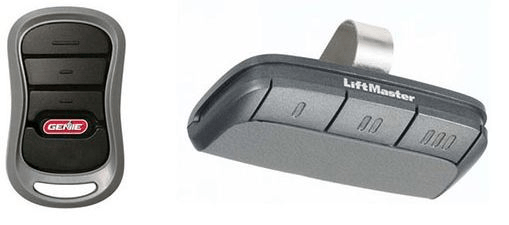
The remote transmitter allows you to operate the garage door from outside the garage.
It sends a wireless signal to the opener motor.
Typical Features
Modern remotes may include:
- Multiple door buttons
- Rolling code security
- Keychain size portability
Security Technology
Most modern openers use rolling code technology, meaning the signal changes every time you use the remote.
This prevents signal interception by thieves.
The Light System
Most garage door openers include built-in lighting.
These lights automatically turn on when the door operates.
Benefits of Integrated Lighting
- Improves visibility at night
- Adds convenience when entering the garage
- Enhances safety
Lights usually remain on for 4–5 minutes after the door closes.
Quick Overview of Garage Door Opener Parts
| Part | Function | Importance |
|---|---|---|
| Motor unit | Powers the opener | Essential |
| Rail | Guides the trolley | Smooth operation |
| Trolley | Moves the door | Motion control |
| Drive system | Transfers power | Determines noise level |
| Safety sensors | Prevent accidents | Safety |
| Emergency release | Manual operation | Backup function |
| Wall control panel | Local control | Convenience |
| Remote transmitter | Wireless operation | Accessibility |
Understanding these components makes troubleshooting easier.
Basic Maintenance for Garage Door Opener Parts
Knowing what are the parts of a garage door opener also helps you maintain them properly.
Follow these simple steps.
Step 1: Lubricate Moving Parts
Apply garage door lubricant to:
- Chain or screw drive
- Trolley wheels
- Hinges
Do this every 6 months.
Step 2: Test Safety Sensors
Place an object in the door’s path.
If the door does not reverse immediately, the sensors may need adjustment.
Step 3: Tighten Mounting Hardware
Vibration can loosen bolts and brackets.
Inspect the system once per year.
Step 4: Replace Remote Batteries
Most remote batteries last 1–2 years.
Replacing them regularly prevents unexpected failures.
FAQ: Garage Door Opener Parts
What are the main parts of a garage door opener?
The main components include the motor unit, rail system, trolley, drive mechanism, safety sensors, emergency release cord, wall control panel, and remote transmitter.
Which part of a garage door opener usually fails first?
The most common failure points include:
- Drive gear
- Trolley mechanism
- Remote batteries
Regular maintenance can prevent many of these issues.
Can I replace garage door opener parts myself?
Some parts such as remotes or sensors can be replaced easily. However, complex repairs involving motors or drive systems may require professional assistance.
How long do garage door opener components last?
Most garage door opener systems last 10–15 years with proper maintenance.
High-quality parts may last even longer.
Why is my garage door opener making noise?
Noise can be caused by:
- Lack of lubrication
- Worn drive components
- Loose hardware
Inspecting the system usually reveals the source.
Do all garage door openers have the same parts?
Most systems share similar core components, but designs may vary depending on whether the opener uses a chain, belt, or screw drive system.
Conclusion
Understanding what are the parts of a garage door opener gives homeowners a clearer picture of how their garage system works. From the motor unit and rail system to safety sensors and remote controls, each component plays a critical role in smooth and safe operation.
By learning these parts and performing basic maintenance, you can extend the life of your garage door opener and avoid costly repairs.
If you found this guide helpful, consider sharing it on social media so other homeowners can better understand how their garage door opener works and how to keep it running smoothly. 🚪
Leave a Reply