If you’re installing or repairing a garage door system, you might be asking: what gauge wire is used for garage door opener setups? Choosing the correct wire size is important for safety, reliability, and proper operation.
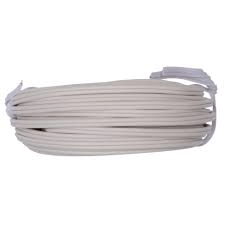
Many homeowners and DIY installers get confused between low-voltage control wires and standard electrical wiring used for the opener motor. This guide explains the correct wire gauge, installation tips, and best practices to help you wire your garage door opener safely and efficiently.
Read too: How To Replace Garage Door Roller Like a Pro? Step-by-Step Guide
What Gauge Wire Is Used for Garage Door Opener?
The most common answer to what gauge wire is used for garage door opener installations is:
18-gauge wire (18 AWG) for low-voltage control wiring.
This wire connects:
- Wall control panel
- Safety sensors
- Smart garage door accessories
- Keypads
Why 18-Gauge Wire Is Standard
Garage door opener accessories operate on low voltage (usually 12–24 volts), so they do not require thick electrical wiring.
18 AWG wire works well because:
- It carries low electrical current efficiently
- It is flexible and easy to install
- It is inexpensive and widely available
- It meets manufacturer recommendations
Most garage door opener manufacturers such as Chamberlain, LiftMaster, and Genie recommend 18-gauge two-conductor wire for these connections.
For a deeper explanation of electrical wire sizing, see:
https://en.wikipedia.org/wiki/American_wire_gauge
Understanding Garage Door Opener Wiring Types
Before installing wires, it’s important to understand the two different wiring systems used in garage door openers.
1. Low-Voltage Control Wiring
This wiring connects the opener to control devices.
Typical components include:
- Wall button control
- Safety photo sensors
- Wireless keypad interface
- Smart home modules
Typical wire size:
✔ 18 AWG
Voltage range:
12–24 volts
2. High-Voltage Power Supply
The garage door opener motor itself requires household electricity.
Typical specifications:
- Voltage: 120 volts (US standard)
- Wire size: 14 AWG or 12 AWG
- Circuit type: standard electrical outlet
This power supply must follow local electrical codes.
Quick Wire Gauge Comparison
| Wire Gauge | Typical Use | Recommended? |
|---|---|---|
| 22 AWG | Telephone wire | Not recommended |
| 18 AWG | Control wiring | ✔ Best choice |
| 16 AWG | Heavy control wiring | Acceptable |
| 14 AWG | Power circuits | For outlets only |
| 12 AWG | High-load circuits | Not needed |
Bottom line:
For wall buttons and sensors, 18 AWG is the industry standard.
Why Using the Wrong Wire Gauge Can Cause Problems
Using incorrect wire size may lead to performance issues.
Common Problems
Signal loss
Thin wires (22 AWG or smaller) may cause unreliable signals between the wall control and opener.
Voltage drop
Long wire runs can reduce voltage, causing intermittent operation.
Safety sensors may fail if voltage is inconsistent.
Electrical code violations
Improper wiring may not comply with local building codes.
According to electrical safety data, incorrect wiring contributes to thousands of residential electrical issues annually, making proper installation essential.
How Far Can You Run Garage Door Opener Wire?
Distance matters when selecting wire gauge.
Recommended Maximum Length
| Wire Gauge | Maximum Recommended Distance |
|---|---|
| 22 AWG | 30 feet |
| 18 AWG | 100 feet |
| 16 AWG | 150 feet |
Most garages require only 10–40 feet of wiring, making 18 AWG ideal.
Step-by-Step: How to Wire a Garage Door Opener
If you’re installing a new opener or replacing wiring, follow these simple steps.
Tools You Need
- 18-gauge low-voltage wire
- Wire stripper
- Screwdriver
- Staple clips or cable clips
- Measuring tape
Step 1: Turn Off Power
Before starting:
- Disconnect the garage door opener from power.
- Unplug the unit or switch off the breaker.
Safety should always come first.
Step 2: Measure the Wiring Path
Measure the distance between:
- Wall control panel
- Safety sensors
- Garage door opener motor
Add 10–15% extra wire to allow flexibility during installation.
Step 3: Route the Wire
Run the 18-gauge wire along the garage wall or ceiling.
Best practices include:
- Keep wires away from moving door tracks
- Avoid sharp bends
- Use cable clips every 12–18 inches
Step 4: Strip the Wire Ends
Use a wire stripper to remove about ½ inch (1.3 cm) of insulation.
Expose the copper wire without damaging it.
Step 5: Connect to the Wall Control
Attach the two wires to the control panel terminals.
Usually labeled:
- R (red)
- W (white)
Check your opener manual for exact labeling.
Step 6: Connect to the Garage Door Opener
Attach the other ends of the wires to the opener’s low-voltage terminals.
Ensure connections are tight.
Step 7: Test the System
Restore power and test:
- Wall control operation
- Door movement
- Safety sensor function
If everything works correctly, the wiring installation is complete.
Best Wire Types for Garage Door Openers
While 18-gauge wire is recommended, choosing the right wire type also matters.
Popular Options
Bell wire
Common low-voltage wiring used in doorbells and garage openers.
Thermostat wire
Multi-conductor cable often used in HVAC systems.
Solid copper wire
Provides reliable electrical conductivity.
Wire Type Comparison
| Wire Type | Flexibility | Cost | Best Use |
|—|—|—|
| Bell wire | Medium | Low | Garage openers |
| Thermostat wire | High | Medium | Smart systems |
| Speaker wire | Medium | Medium | DIY setups |
Most installers prefer 18/2 solid copper bell wire.
Tips for Safe Garage Door Opener Wiring
Follow these best practices to avoid future problems.
Installation Tips
✔ Keep wires away from door tracks
✔ Use insulated staples (not metal nails)
✔ Label wires during installation
✔ Avoid running wires near power cables
Maintenance Tips
- Inspect wiring once per year
- Replace damaged insulation immediately
- Clean sensor wiring connections
Simple maintenance can extend system reliability for 10–15 years.
When Should You Call a Professional?
Some wiring situations require professional help.
Call an electrician if:
- Your opener requires a new electrical outlet
- Wiring must run through finished walls
- You suspect electrical code issues
- Your opener repeatedly loses power
Professional installation typically costs $150–$400, depending on the complexity.
FAQ: What Gauge Wire Is Used for Garage Door Opener?
1. Can I use 22-gauge wire for a garage door opener?
Technically it may work for short distances, but it is not recommended. 18-gauge wire provides more reliable voltage and signal strength.
2. Is 16-gauge wire too thick for garage door sensors?
No. 16-gauge wire will work, but it is usually unnecessary. 18-gauge wire is the ideal balance of flexibility and conductivity.
3. Does a garage door opener require special wiring?
Yes. It requires two types:
- Low-voltage wiring (18 AWG) for controls
- Standard electrical wiring (14 or 12 AWG) for power
4. Can thermostat wire be used for garage door openers?
Yes. Thermostat wire often uses 18-gauge conductors, making it compatible with garage door opener control circuits.
5. How many wires are needed for a garage door opener?
Most systems require two wires (18/2 cable) for the wall control and additional wires for safety sensors.
6. Is garage door opener wiring dangerous?
Low-voltage wiring is generally safe. However, the 120-volt power supply should always be installed according to electrical codes.
Conclusion
Understanding what gauge wire is used for garage door opener installations is essential for safe and reliable operation. In most residential systems, 18-gauge low-voltage wire is the standard choice for wall controls and safety sensors.
Using the correct wire size ensures stable signals, proper sensor function, and long-term reliability. Whether you’re installing a new opener or replacing old wiring, following proper installation practices can prevent costly issues later.
If this guide helped you understand garage door opener wiring, feel free to share it on social media to help other homeowners complete their installations safely and confidently.


Leave a Reply