If your garage door remote stops working or you need to replace it, one of the first questions you might ask is: What Is The Frequency Of My Garage Door Opener? Understanding this detail is important because garage remotes communicate with the opener using specific radio frequencies.
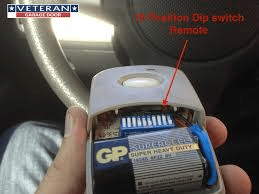
The correct frequency ensures the remote signal reaches the garage door motor properly. In this guide, we’ll explain the common frequencies used in garage door openers, how to find your opener’s frequency, and what to do if your remote isn’t compatible.
Read too: Door and Garage Door Companies: Choosing the Right Partner for Your Needs
What Is The Frequency Of My Garage Door Opener?
The frequency of a garage door opener refers to the radio signal used by the remote control to communicate with the garage door motor.
Most modern garage door openers operate on one of these frequencies:
- 315 MHz
- 390 MHz
- 433 MHz
- 868 MHz (less common in the US)
These frequencies allow the remote transmitter to send signals wirelessly to the receiver in the opener.
Radio frequencies are part of the broader electromagnetic spectrum used in wireless communication. If you’d like to explore how radio signals work in general, you can learn more here:
https://en.wikipedia.org/wiki/Radio_frequency
Different manufacturers and models may use different frequencies, which is why it’s important to identify the correct one before purchasing a replacement remote.
Why Garage Door Opener Frequency Matters
Garage door openers rely on radio signals to function.
If a remote uses the wrong frequency, the garage door opener will not recognize the signal.
Frequency Determines
- Remote compatibility
- Signal range
- Security level
- Interference resistance
Modern openers often use rolling code technology, which changes the security code each time the remote is used.
This prevents signal copying and improves security.
Most Common Garage Door Opener Frequencies
Below are the most widely used frequencies in residential garage door systems.
| Frequency | Common Usage | Notes |
|---|---|---|
| 390 MHz | Older garage door systems | Common before 2000 |
| 315 MHz | Many modern openers | Widely used today |
| 433 MHz | Some international models | Less common in US |
| 868 MHz | Newer smart systems | Rare but growing |
Most garage door manufacturers use 315 MHz or 390 MHz in the United States.
How To Find The Frequency Of Your Garage Door Opener
If you’re asking What Is The Frequency Of My Garage Door Opener, there are several ways to identify it.
1. Check the Remote Control
Many garage door remotes display the frequency on the back label.
Look for markings such as:
- 315 MHz
- 390 MHz
- FCC ID number
The FCC ID can be used to search for frequency specifications online.
2. Look Inside the Garage Door Motor Unit
The opener motor usually has a label containing technical details.
Check the following locations:
- Under the light cover
- On the motor housing
- Near the antenna wire
Typical label information includes:
- Model number
- Serial number
- Frequency
3. Identify the Brand and Model
Different brands commonly use specific frequencies.
Popular Brands and Typical Frequencies
| Brand | Common Frequency |
|---|---|
| LiftMaster | 315 MHz / 390 MHz |
| Chamberlain | 315 MHz |
| Genie | 390 MHz |
| Craftsman | 315 MHz |
However, newer smart garage openers may support multiple frequencies.
How Garage Door Remotes Transmit Signals
Garage door remotes operate using radio frequency transmitters.
Signal Transmission Process
- You press the remote button.
- The remote sends a coded RF signal.
- The garage opener receiver detects the signal.
- The motor activates to open or close the door.
The signal typically travels 50–150 feet, depending on obstacles and interference.
Fixed Code vs Rolling Code Systems
Garage door openers use two main communication technologies.
Fixed Code Systems
Older garage door openers used fixed code systems.
Characteristics
- Same code transmitted each time
- Less secure
- Vulnerable to signal copying
These systems were common before the late 1990s.
Rolling Code Systems
Modern openers use rolling code technology.
Advantages
✔ Code changes every use
✔ Prevents hacking
✔ Improves security
Rolling code systems generate billions of possible code combinations, making unauthorized access extremely difficult.
Common Problems Related to Garage Door Frequency
Several issues can occur if the frequency signal is disrupted.
1. Remote Not Working
Possible causes:
- Incorrect frequency
- Dead battery
- Signal interference
2. Limited Remote Range
If the remote only works close to the garage:
- Antenna may be damaged
- Signal interference may exist
- Battery may be weak
3. Interference From Other Devices
Other wireless devices can sometimes interfere with garage signals.
Examples include:
- Wi-Fi routers
- LED lighting
- Wireless security cameras
How To Program a New Garage Door Remote
If you purchase a new remote, you may need to program it.
Step-by-Step Programming Guide
Step 1: Locate the Learn Button
The Learn button is usually found on the motor unit.
Common colors:
- Red
- Yellow
- Purple
- Green
Step 2: Press the Learn Button
Press and release the Learn button.
The indicator light should turn on for about 30 seconds.
Step 3: Press the Remote Button
Press the button on the new remote.
Hold it for 2–3 seconds.
Step 4: Test the Remote
The garage door should activate.
If the door moves, the remote has been successfully programmed.
Garage Door Frequency Compatibility Chart
| Frequency | Compatible Remote Type | Typical Use |
|---|---|---|
| 315 MHz | Rolling code remotes | Modern systems |
| 390 MHz | Fixed or rolling code | Older openers |
| 433 MHz | European systems | Limited US use |
| 868 MHz | Smart openers | New technology |
Using the correct frequency ensures the remote communicates properly with the garage door opener.
Tips to Improve Garage Door Remote Signal
If you experience signal problems, try these solutions.
Improve Antenna Position
Ensure the antenna wire hangs straight down from the motor.
Replace Remote Batteries
Low batteries reduce transmission strength.
Remove Wireless Interference
Move routers or wireless devices away from the opener.
Upgrade the Remote
Modern remotes offer better signal strength and security.
FAQ: What Is The Frequency Of My Garage Door Opener
What frequency do most garage door openers use?
Most garage door openers in the United States operate on 315 MHz or 390 MHz.
How do I know my garage door opener frequency?
You can check the remote label, the motor unit label, or search the model number online.
Can I use any garage door remote?
No. The remote must match the frequency and programming system of your opener.
Why does my garage door remote have poor range?
Common causes include low batteries, antenna issues, or signal interference from nearby electronics.
Are newer garage door openers more secure?
Yes. Modern openers use rolling code technology, which changes the signal each time the remote is used.
Can two garage door openers use the same frequency?
Yes, but rolling code technology prevents remotes from activating neighboring garage doors.
Conclusion
Understanding What Is The Frequency Of My Garage Door Opener is essential when troubleshooting remote problems or purchasing a replacement remote.
Most residential garage door systems use 315 MHz or 390 MHz radio frequencies, allowing remotes to communicate wirelessly with the opener motor. By checking your remote label, motor unit, or model number, you can quickly identify the correct frequency.
Knowing this information helps ensure compatibility, improve security, and maintain reliable garage door operation.
If you found this guide helpful, consider sharing it on social media so other homeowners can easily learn how to identify their garage door opener frequency.


Leave a Reply