A noisy garage door opener can be frustrating, especially if the garage is located near bedrooms or living spaces. Loud rattling or vibration can wake family members and disturb neighbors.
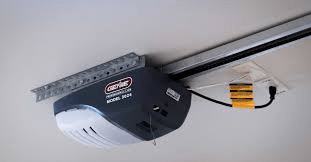
If you’re wondering What Is The Quietest Type Of Garage Door Opener, the answer usually comes down to the drive system and motor technology. In this guide, we’ll explore the quietest garage door opener types, compare their noise levels, and help you choose the best solution for a peaceful home environment.
Read too: Door and Garage Door Companies: Choosing the Right Partner for Your Needs
What Is The Quietest Type Of Garage Door Opener?
The quietest type of garage door opener is typically a belt drive garage door opener.
Belt drive systems use a reinforced rubber or polyurethane belt instead of a metal chain. This reduces vibration and significantly lowers operational noise.
Another extremely quiet option is the direct drive garage door opener, which uses fewer moving parts and produces minimal mechanical noise.
These systems are ideal for homes with:
- Attached garages
- Bedrooms above the garage
- Noise-sensitive households
Garage door openers rely on electric motors and mechanical transmission systems to move the door. To better understand how these motors operate, you can read more about electric motors here:
https://en.wikipedia.org/wiki/Electric_motor
Why Garage Door Opener Noise Happens
Garage door openers generate noise primarily from mechanical friction and vibration.
Common sources of noise include:
- Metal chains striking the rail
- Loose hardware
- Motor vibration
- Worn rollers or hinges
Older openers are often louder because they use chain drive mechanisms and AC motors.
Modern systems use quieter DC motors and smoother drive systems, significantly reducing noise levels.
Types of Garage Door Openers and Their Noise Levels
Understanding the different drive systems helps determine which option is the quietest.
1. Belt Drive Garage Door Openers (Quietest Option)
Belt drive openers use a reinforced belt made of rubber, fiberglass, or polyurethane.
Why They Are Quiet
- No metal-on-metal contact
- Smooth motion
- Reduced vibration
Advantages
✔ Extremely quiet operation
✔ Smooth door movement
✔ Ideal for attached garages
Disadvantages
✘ Slightly higher purchase cost
Best For
- Homes with bedrooms above the garage
- Families sensitive to noise
- Modern smart garage systems
Many homeowners consider belt drive openers the gold standard for quiet garage operation.
2. Direct Drive Garage Door Openers
Direct drive openers have a stationary chain while the motor moves along the rail.
Noise Level
Very quiet — often comparable to belt drive systems.
Advantages
✔ Minimal moving parts
✔ Extremely smooth operation
✔ Very durable
Disadvantages
✘ Limited availability in some regions
Ideal Use
Direct drive openers work well for homeowners seeking maximum quiet performance and durability.
3. Screw Drive Garage Door Openers
Screw drive systems use a rotating threaded steel rod to move the door.
Noise Level
Moderate — quieter than chain drives but louder than belt drives.
Advantages
✔ Strong lifting power
✔ Fewer mechanical parts
✔ Faster door operation
Disadvantages
✘ Noise may increase over time
✘ Sensitive to temperature changes
4. Chain Drive Garage Door Openers (Loudest Option)
Chain drive openers use a metal chain similar to a bicycle chain.
Noise Level
Typically the loudest type.
Advantages
✔ Strong lifting capacity
✔ Affordable
✔ Reliable
Disadvantages
✘ Significant vibration
✘ Loud metal noise
Chain drives are commonly used in detached garages where noise is less of a concern.
Garage Door Opener Noise Comparison
| Opener Type | Noise Level | Best Use Case |
|---|---|---|
| Belt Drive | Very quiet | Attached garages |
| Direct Drive | Very quiet | Premium quiet systems |
| Screw Drive | Moderate | Heavy doors |
| Chain Drive | Loud | Detached garages |
From a noise perspective, belt drive and direct drive openers perform the best.
Factors That Affect Garage Door Opener Noise
Even the quietest opener can become noisy if other parts of the garage system are worn or poorly maintained.
1. Garage Door Material
Heavy doors produce more vibration.
Common door materials include:
- Steel
- Wood
- Aluminum
- Fiberglass
Wood doors tend to generate more noise because of their weight.
2. Garage Door Rollers
Rollers help the door move smoothly along the tracks.
Roller Types
| Roller Type | Noise Level |
|---|---|
| Steel rollers | Loud |
| Nylon rollers | Quiet |
Upgrading to nylon rollers can reduce noise significantly.
3. Motor Type
Modern garage openers use DC motors, which are quieter than traditional AC motors.
DC Motor Benefits
✔ Soft start and stop
✔ Reduced vibration
✔ Energy efficiency
4. Installation Quality
Improper installation can cause:
- Rail vibration
- Motor strain
- Structural noise
Professional installation helps minimize these issues.
How to Make Your Garage Door Opener Quieter
If your current opener is noisy, several improvements may help.
Step 1: Lubricate Moving Parts
Every 6 months, lubricate:
- Hinges
- Rollers
- Springs
- Drive mechanisms
Use silicone-based garage door lubricant rather than heavy grease.
Step 2: Tighten Hardware
Vibration can loosen bolts and brackets.
Check:
- Rail mounting brackets
- Track supports
- Motor housing bolts
Tightening these components can reduce rattling noise.
Step 3: Replace Metal Rollers
Switching to nylon rollers can significantly reduce operational noise.
These rollers operate more smoothly and create less friction.
Step 4: Install Vibration Isolation Pads
Rubber isolation pads can be placed between the motor unit and ceiling mount.
This reduces vibration transfer to the house structure.
Cost of Quiet Garage Door Openers
The price varies depending on features and motor strength.
| Opener Type | Average Price |
|---|---|
| Chain drive | $150–$250 |
| Screw drive | $200–$350 |
| Belt drive | $250–$450 |
| Direct drive | $400–$600 |
Professional installation usually costs $150–$300.
When Should You Replace a Noisy Garage Door Opener?
If your garage opener is:
- More than 10–15 years old
- Extremely noisy
- Frequently malfunctioning
Replacing it with a belt drive or direct drive system can dramatically improve comfort and convenience.
Modern openers also include smart features such as:
- Smartphone control
- Automatic lighting
- Battery backup systems
FAQ: What Is The Quietest Type Of Garage Door Opener
What garage door opener makes the least noise?
Belt drive garage door openers are widely considered the quietest type available.
Are belt drive openers quieter than chain drives?
Yes. Belt drives eliminate metal chain noise and reduce vibration.
Is a direct drive opener quieter than a belt drive?
Both are extremely quiet. Direct drive systems may be slightly quieter due to fewer moving parts.
Can I make my current garage door opener quieter?
Yes. Lubricating components, replacing rollers, and tightening hardware can significantly reduce noise.
Do insulated garage doors reduce noise?
Yes. Insulated doors reduce vibration and help dampen sound during operation.
Are quiet garage door openers more expensive?
Generally yes, but the difference is usually $100–$200 more compared to basic chain drive models.
Conclusion
Understanding What Is The Quietest Type Of Garage Door Opener can help homeowners choose a system that improves comfort and reduces household noise.
Among all options, belt drive garage door openers are widely recognized as the quietest solution. Direct drive systems are another excellent option for near-silent operation.
By combining a quiet opener with proper maintenance, nylon rollers, and professional installation, homeowners can enjoy smooth and silent garage door performance for many years.
If you found this guide helpful, consider sharing it on social media so others can discover the quietest garage door opener solutions for their homes.
Leave a Reply