Many homeowners ask What Size Garage Door Opener For Two Car Garage when installing or replacing their garage door system. A two-car garage typically uses a larger and heavier door than a single-car garage, which means the opener must have enough power to operate smoothly.
Choosing the right opener size helps prevent motor strain, improves reliability, and ensures long-term performance. In this guide, we’ll explore the ideal garage door opener size for a two-car garage, explain horsepower ratings, and provide tips for selecting the best system for your home.
Read too: Door and Garage Door Companies: Choosing the Right Partner for Your Needs
What Size Garage Door Opener For Two Car Garage?
For most homes, the recommended opener size for a two-car garage door is:
½ horsepower (HP) to ¾ horsepower (HP)
However, the best choice depends on several factors such as door weight, material, and frequency of use.
Recommended Opener Sizes
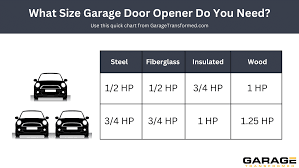
| Garage Door Type | Recommended Motor Size |
|---|---|
| Lightweight aluminum | ½ HP |
| Standard steel | ½–¾ HP |
| Insulated steel | ¾ HP |
| Heavy wood doors | ¾–1 HP |
Most garage door professionals recommend ¾ horsepower openers for two-car garages because they provide stronger lifting power and longer motor life.
Why Two-Car Garage Doors Need More Powerful Openers
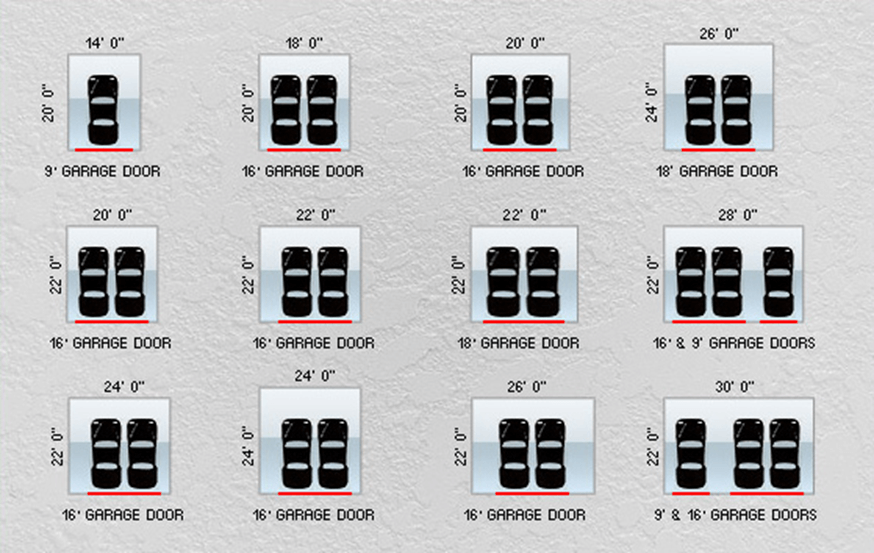
Two-car garages usually have larger doors than single-car garages.
Typical dimensions include:
- 16 feet wide
- 7 or 8 feet tall
These doors can weigh 150–400 pounds, depending on materials and insulation.
A garage door opener must handle three main functions:
- Lift the door along the rail system
- Control opening and closing speed
- Maintain smooth and balanced movement
If the motor is too small, it may struggle to lift the door efficiently.
For an overview of garage door systems and components, see:
https://en.wikipedia.org/wiki/Garage_door
Understanding Garage Door Opener Horsepower
Garage door openers are rated by horsepower (HP), which measures the motor’s lifting power.
Below are the most common sizes used in residential garages.
1/3 Horsepower (HP)
This is the smallest motor typically available.
Advantages
- affordable
- basic functionality
Limitations
- not recommended for two-car garage doors
- limited lifting capacity
This motor is usually used for single lightweight garage doors only.
1/2 Horsepower (HP)
½ HP motors are commonly installed in residential garages.
Benefits
- cost-effective
- reliable performance
- adequate power for many double doors
Best For
- lightweight steel doors
- moderate daily use
However, heavier insulated doors may require stronger motors.
3/4 Horsepower (HP)
Many professionals consider ¾ HP openers the best option for two-car garages.
Advantages
- stronger lifting capacity
- smoother door movement
- longer motor lifespan
Best For
- insulated steel doors
- heavier garage doors
- frequent daily use
1 Horsepower (HP)
These motors provide maximum lifting power.
Advantages
- handles very heavy doors easily
- reduces strain on the motor
- ideal for high-cycle usage
Best For
- wood garage doors
- oversized custom doors
- large garages with frequent use
Garage Door Opener Power Comparison
| Motor Power | Door Size | Performance | Cost |
|---|---|---|---|
| 1/3 HP | Single doors | Basic | Low |
| 1/2 HP | Standard double doors | Good | Medium |
| 3/4 HP | Heavy double doors | Excellent | Medium |
| 1 HP | Oversized or wood doors | Maximum | High |
Expert Tip:
Choosing a slightly stronger opener, such as ¾ HP instead of ½ HP, can extend the motor’s lifespan and reduce wear.
Types of Garage Door Openers
Horsepower is important, but the drive system also affects noise levels and performance.
Chain Drive Openers
Chain drive systems use a metal chain to move the door.
Advantages
- affordable
- durable
- strong lifting power
Disadvantages
- louder than other types
Chain drives are often used in detached garages where noise is less of a concern.
Belt Drive Openers
Belt drive systems use a reinforced rubber belt instead of a chain.
Benefits
- very quiet operation
- smooth door movement
- low vibration
Downsides
- slightly higher cost
These openers are ideal for garages attached to living spaces.
Screw Drive Openers
Screw drive openers use a threaded steel rod to move the door.
Advantages
- fewer moving parts
- reliable performance
Limitations
- sensitive to temperature fluctuations
Direct Drive Openers
Direct drive systems move the motor along the rail.
Advantages
- extremely quiet
- minimal maintenance
- durable design
Downsides
- higher price
Factors That Determine the Right Opener Size
Selecting the correct garage door opener requires evaluating several factors.
Garage Door Material
Different materials vary in weight.
| Door Material | Weight | Recommended Opener |
|---|---|---|
| Aluminum | Light | ½ HP |
| Steel | Medium | ½–¾ HP |
| Insulated Steel | Medium-heavy | ¾ HP |
| Wood | Heavy | ¾–1 HP |
Frequency of Use
The more often the door opens, the stronger the motor should be.
Example usage levels:
- 2–4 cycles per day → standard use
- 10+ cycles per day → heavy use
Frequent usage benefits from stronger motors.
Climate Conditions
Cold climates increase friction in the door system.
Stronger motors handle resistance better in freezing temperatures.
Door Balance
A properly balanced door reduces stress on the opener motor.
If a door feels heavy when lifted manually, it may require spring adjustment.
How to Choose the Right Garage Door Opener
Follow these steps to determine the best opener size for your garage.
Step 1: Measure the Door
Most two-car garage doors measure:
- 16 feet wide
- 7 feet tall
Step 2: Determine Door Material
Identify whether the door is:
- aluminum
- steel
- insulated steel
- wood
Material affects the door’s weight.
Step 3: Evaluate Daily Usage
Estimate how often the door opens each day.
Higher usage requires stronger motors.
Step 4: Choose the Drive System
Select a drive system based on noise level and budget:
- chain drive → affordable
- belt drive → quiet
- direct drive → premium option
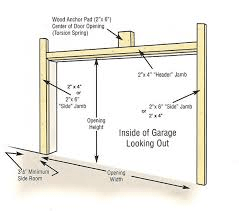
Step 5: Check Ceiling Space
Most openers require 12–15 inches of headroom for installation.
Ensure the garage ceiling has enough clearance.
Common Mistakes When Choosing Garage Door Openers
Avoid these common errors when selecting an opener.
Choosing an Underpowered Motor
Small motors struggle with large double garage doors.
This can shorten the opener’s lifespan.
Ignoring Door Weight
Insulated and wood doors weigh significantly more than aluminum doors.
Not Considering Noise Levels
Chain drive openers may produce noticeable noise in attached garages.
FAQ: What Size Garage Door Opener For Two Car Garage
Is 1/2 HP enough for a two-car garage door?
Yes, ½ HP openers can work for many standard double doors. However, ¾ HP openers provide better durability and performance.
What horsepower is best for a two-car garage?
Most experts recommend ¾ horsepower for two-car garages because it offers stronger lifting power and longer lifespan.
Can a stronger opener damage a garage door?
No. A stronger opener will not damage the door if the door is properly balanced and installed.
What type of garage door opener is the quietest?
Belt drive and direct drive openers are typically the quietest.
How long do garage door openers last?
Most garage door openers last 10–15 years with proper maintenance.
Does insulation affect opener size?
Yes. Insulated doors are heavier and often require ¾ HP or stronger openers.
Conclusion
Understanding What Size Garage Door Opener For Two Car Garage helps homeowners select a system that delivers reliable performance and long-term durability. For most homes, a ¾ horsepower garage door opener provides the ideal balance of lifting power, efficiency, and lifespan.
While lighter doors may work with ½ HP motors, heavier insulated or wooden doors often benefit from ¾ HP or 1 HP openers.
By considering door material, usage frequency, and opener type, you can choose the perfect garage door opener for your two-car garage.
If you found this guide helpful, consider sharing it on social media to help other homeowners choose the right garage door opener.
Leave a Reply