When temperatures drop, many homeowners suddenly face the same frustrating problem: LiftMaster Garage Door Opener Not Working In Cold Weather. You press the remote, hear a hum—or nothing at all—and the door refuses to move. This guide explains why cold weather affects LiftMaster systems and shows you practical, step-by-step solutions to get your garage door working reliably again.
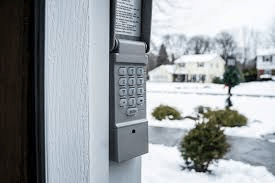
Why Does a LiftMaster Garage Door Opener Stop Working in Cold Weather?
Cold weather impacts garage door systems both mechanically and electronically. Understanding the root causes helps you fix the issue faster—and avoid unnecessary service calls.
1. Metal Contraction and Stiff Components
In low temperatures, metal contracts. This affects:
- Torsion and extension springs
- Hinges and rollers
- Tracks and bearings
Read too: The Complete Guide to Tighten Chain On Garage Door Opener for Smooth Operation
Even slight contraction increases resistance, making it harder for the opener motor to lift the door.
2. Thickened Lubrication
Many garages use standard grease or oil. In cold weather, these lubricants thicken and act like glue, slowing or stopping movement.
3. Sensor and Electronics Sensitivity
LiftMaster openers rely on safety sensors and circuit boards. Extreme cold can:
- Reduce electrical efficiency
- Cause condensation and frost
- Disrupt sensor alignment
4. Battery Performance Drops
Cold temperatures significantly reduce battery output. This affects:
- Remote controls
- Backup batteries inside the opener
According to battery performance studies, alkaline batteries can lose up to 50% of their capacity below 0°F (-18°C).
How Cold Is “Too Cold” for a LiftMaster Garage Door Opener?
Most LiftMaster openers are designed to operate between -4°F and 122°F (-20°C to 50°C). However, problems often start appearing below 32°F (0°C), especially if the garage is uninsulated.
Key takeaway:
The opener may still “work,” but mechanical resistance and battery weakness prevent proper operation.
Common Symptoms of LiftMaster Garage Door Opener Not Working In Cold Weather
Recognizing the symptom helps pinpoint the exact cause.
| Symptom | Likely Cause |
|---|---|
| Door won’t open at all | Frozen springs, dead battery |
| Door opens halfway then stops | Thick lubricant, high resistance |
| Opener hums but door doesn’t move | Motor strain or frozen rollers |
| Remote works intermittently | Cold-affected batteries |
| Door reverses immediately | Sensor misalignment or ice blockage |
Step-by-Step Fixes for LiftMaster Garage Door Opener Cold Weather Problems
1. Check and Replace Remote Batteries
This is the fastest fix and often overlooked.
Steps:
- Remove the remote battery cover
- Replace with fresh alkaline or lithium batteries
- Test operation from inside the garage
👉 Tip: Lithium batteries perform better in cold temperatures than alkaline ones.
2. Inspect the Garage Door for Ice and Frost
Ice buildup can prevent movement even if the opener works perfectly.
What to check:
- Bottom seal frozen to the floor
- Ice along tracks or rollers
- Frost on springs
Solution:
Use warm water (22–28°C / 72–82°F) to melt ice. Avoid boiling water—it can crack seals and metal.
3. Lubricate All Moving Parts with Cold-Weather Lubricant
Standard grease thickens in winter. Switch to silicone-based or lithium spray lubricant.
Apply lubricant to:
- Rollers (metal only, not nylon bearings)
- Hinges
- Springs
- Tracks (light coat only)
Avoid: WD-40 as a long-term lubricant—it’s a cleaner, not a grease.
4. Adjust Force and Travel Limits (If Needed)
Cold weather increases door resistance, sometimes exceeding factory force settings.
Steps:
- Locate force adjustment dials on the opener unit
- Increase opening force slightly (¼ turn at a time)
- Test after each adjustment
⚠️ Safety note: Do not overtighten. Excess force can damage the motor or create safety hazards.
5. Check Safety Sensor Alignment
Cold contraction can slightly shift sensor brackets.
Checklist:
- Sensors facing each other
- No snow, ice, or dirt blocking lenses
- Indicator lights solid (not blinking)
Clean lenses gently with a microfiber cloth.
6. Test the Door Manually
This step helps identify whether the problem is the door or the opener.
How to test:
- Pull the emergency release cord
- Lift the door manually
Results:
- If it’s hard to lift → mechanical issue (springs, rollers)
- If it moves smoothly → opener or electronics issue
When Cold Weather Causes Permanent Damage
Sometimes winter doesn’t just reveal a problem—it creates one.
Broken or Weakened Springs
Cold metal is brittle. Springs under tension may snap during freezing conditions.
Warning signs:
- Loud bang from garage
- Door feels extremely heavy
- Opener strains or stops
Spring replacement should always be done by a professional due to safety risks.
Preventive Maintenance Tips for Winter-Proof Performance
Insulate the Garage
Insulation stabilizes temperature and protects electronics.
Best areas to insulate:
- Garage door panels
- Ceiling (if garage is below living space)
- Side walls
Even basic insulation can raise internal temperatures by 10–20°F.
Schedule Seasonal Maintenance
Annual tune-ups before winter reduce breakdown risk.
Maintenance checklist:
- Tighten hardware
- Balance the door
- Replace worn rollers
- Test safety reversal system
Upgrade to a Battery Backup System
LiftMaster battery backups ensure operation during:
- Cold-related power dips
- Winter storms
They also stabilize performance during temperature fluctuations.
Expert Insight: Why Winter Exposes Hidden Problems
Garage door technicians often note that winter doesn’t cause all failures—it exposes worn components. According to industry service reports, over 60% of winter garage door failures are linked to parts already near the end of their lifespan.
For a general explanation of how garage door openers function, see the overview on Wikipedia about garage door openers:
https://en.wikipedia.org/wiki/Garage_door_opener
Should You Call a Professional?
Call a professional if:
- The door is extremely heavy
- Springs appear damaged
- The opener motor overheats
- Adjustments don’t solve the issue
DIY fixes are great—but safety always comes first.
FAQ: LiftMaster Garage Door Opener Not Working In Cold Weather
Why does my LiftMaster garage door only fail in winter?
Cold weather increases resistance, thickens lubricants, and reduces battery power, making existing weaknesses more noticeable.
Can cold weather permanently damage my LiftMaster opener?
Yes, repeated strain from frozen components can shorten motor life and damage internal gears.
Is it safe to increase opener force during winter?
Yes, slightly—but only in small increments. Excessive force can be dangerous.
What lubricant is best for cold climates?
Silicone-based or lithium spray lubricants perform best below freezing temperatures.
How do I prevent my garage door from freezing shut?
Keep the floor dry, replace worn bottom seals, and apply silicone spray to the rubber gasket.
Conclusion
A LiftMaster Garage Door Opener Not Working In Cold Weather is a common—but fixable—problem. By understanding how cold affects batteries, lubrication, sensors, and metal components, you can restore smooth operation and prevent future breakdowns. Regular winter maintenance saves money, reduces stress, and keeps your garage door reliable when you need it most.
If this guide helped you, share it with friends or family who might be battling the same winter garage door issues—it could save them time, money, and a lot of frustration.
Leave a Reply