Garage door openers are essential for modern home convenience, but when your garage door doesn’t close all the way, it can be frustrating and even pose security risks. If you’re facing this issue, you likely need adjusting garage door opener to close all the way for a proper seal and smooth operation. Understanding how to make this adjustment yourself can save you time, money, and the hassle of calling a professional.
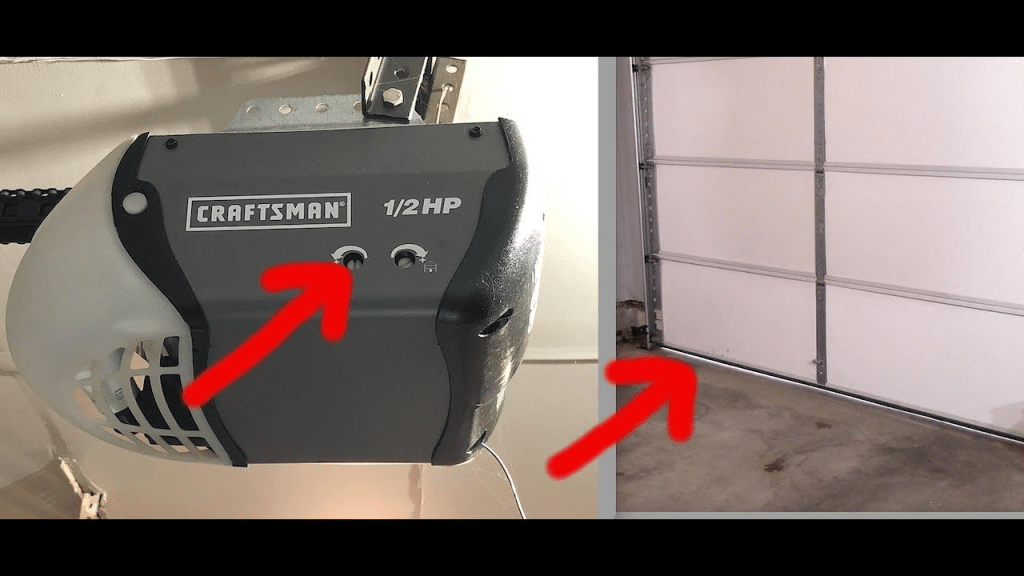
In this detailed guide, you will learn everything about adjusting garage door opener to close all the way — from understanding the causes, safety precautions, to step-by-step instructions on how to adjust the limit settings of your opener. By the end of this article, your garage door will reliably close fully, providing peace of mind and enhanced security.
Read too: How To Replace Garage Door Roller Like a Pro? Step-by-Step Guide
Why Your Garage Door Doesn’t Close All The Way
Before jumping into adjustments, it helps to know why the garage door might be stopping short of full closure. Common reasons include:
- Incorrect limit switch settings: Garage door openers use limit switches to control how far the door travels up and down. If these are off, the door may not close fully.
- Obstructions or misaligned sensors: Safety sensors that detect objects in the door’s path can prevent it from closing fully if they are dirty, misaligned, or blocked.
- Worn or damaged hardware: Springs, cables, or rollers that are worn can affect smooth operation.
- Track issues: Bent or obstructed tracks can prevent the door from closing completely.
- Power or electrical issues: Inconsistent power or opener motor problems can interrupt the closing cycle.
Understanding the Limit Switch and Its Role
The limit switch is a critical component inside the garage door opener that controls the door’s travel distance. It tells the opener when to stop moving the door up or down. Proper adjustment of this switch ensures the door closes tightly against the ground without reversing prematurely or damaging the door or opener.
Safety First: Precautions Before Adjusting Your Garage Door Opener
Adjusting garage door openers involves moving parts and electrical components, so it’s important to follow safety guidelines:
- Disconnect power: Unplug the garage door opener or turn off its circuit breaker before starting adjustments.
- Keep hands clear: Never place your hands near moving parts during operation.
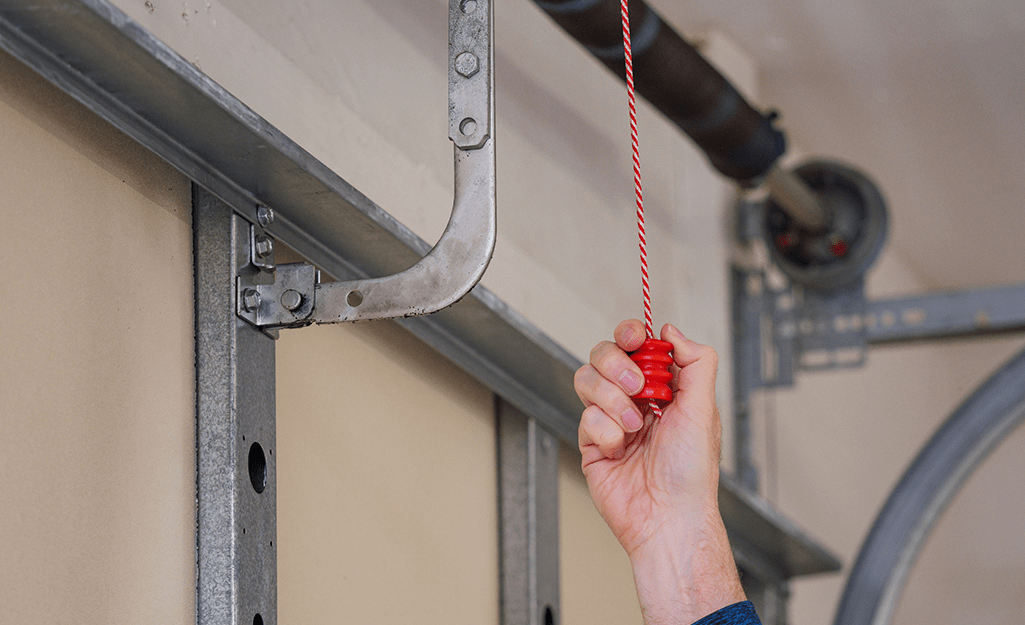
- Use the manual release: If necessary, disengage the door from the opener using the manual release cord to prevent accidental movement.
- Inspect sensors: Make sure safety sensors are clean and aligned before testing the door.
- Have a helper: An extra set of hands can be useful for monitoring the door’s movement and pressing controls safely.
How to Adjust Garage Door Opener To Close All The Way: Step-by-Step Guide
This section provides a detailed process for adjusting the closing limit of your garage door opener to ensure it closes fully and securely.
Step 1: Locate the Limit Adjustment Controls
Garage door openers typically have two limit adjustment screws or dials labeled “Up” and “Down” on the motor housing. Consult your opener’s manual to identify these controls.
Step 2: Test the Door Operation
Before making adjustments, operate the door using the remote or wall button. Observe how far the door closes and whether it stops too early.
Step 3: Adjust the “Down” Limit Setting
Using a screwdriver or your fingers (depending on the design), turn the “Down” limit screw or dial:
- Turn clockwise to increase the door’s downward travel (make it close further).
- Turn counterclockwise to decrease travel (make it stop sooner).
Make small adjustments — typically 1/4 turn at a time.
Step 4: Test the Door Again
Restore power if unplugged and test the door. Watch carefully to see if the door closes all the way without stopping or reversing.
Step 5: Repeat Adjustments as Needed
Repeat the adjustment and testing process until the door closes firmly against the floor without gaps and without reversing.
Troubleshooting When Adjusting Garage Door Opener To Close All The Way
If your door still doesn’t close fully after adjusting the limit switch, consider these troubleshooting tips:
- Check safety sensors: Make sure sensors are clean, aligned, and unobstructed. Misaligned sensors often cause the door to reverse prematurely.
- Inspect door tracks: Clear debris and ensure the tracks are straight and securely fastened.
- Examine weather stripping: Thick or damaged weather stripping can prevent tight closure; trim or replace as needed.
- Check door balance: Disconnect the opener and manually lift the door halfway. If it doesn’t stay in place, springs may need adjustment by a professional.
- Test remote batteries: Weak remote batteries can cause intermittent operation. Replace if necessary.
Additional Tips for Maintaining Your Garage Door Opener
To avoid frequent adjustments and extend the lifespan of your garage door opener:
- Lubricate moving parts regularly such as rollers, hinges, and the chain or belt drive.
- Clean safety sensors every few months to ensure clear signal transmission.
- Inspect the door for damage or wear periodically and replace parts when needed.
- Keep the tracks clear of debris and ensure proper alignment.
- Test the opener’s force settings and adjust if the door seems too hard to open or close.
When to Call a Professional
Some garage door issues require professional attention. Contact a qualified technician if:
- The door remains off-level or doesn’t stay in place when manually lifted.
- Springs, cables, or other hardware appear damaged or broken.
- Motor issues cause erratic or noisy operation.
- You feel uncomfortable performing adjustments yourself.
Conclusion
Adjusting garage door opener to close all the way is a crucial maintenance task that ensures your garage door operates securely and efficiently. By understanding the role of limit switches, performing careful adjustments, and following safety precautions, you can fix the problem of a door that won’t close fully. Regular upkeep and inspection will keep your garage door functioning smoothly for years, protecting your home and adding convenience to your daily routine.
Leave a Reply