If you’re installing or repairing a garage door opener, you might wonder What Size Wire Is Used For Garage Door Opener systems. Choosing the correct wire size is important for safety, proper signal transmission, and reliable operation.
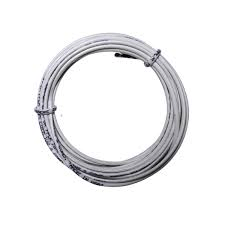
Garage door openers typically use low-voltage wiring to connect wall control panels and safety sensors. In this guide, you’ll learn the recommended wire gauges, common wiring types, installation steps, and expert tips to ensure your garage door opener works correctly.
Read too: How To Replace Garage Door Roller Like a Pro? Step-by-Step Guide
What Size Wire Is Used For Garage Door Opener?
The most commonly used wire for garage door openers is 22-gauge low-voltage wire.
This wire is typically used for:
- Wall control buttons
- Safety sensors (photo eyes)
- Smart control accessories
Below is a quick overview.
| Component | Typical Wire Size |
|---|---|
| Wall control button | 22 AWG |
| Safety sensors | 22 AWG |
| Smart garage controls | 22 AWG |
| Long wire runs | 20 AWG |
For most residential installations, 22 AWG (American Wire Gauge) works perfectly.
The wire carries low-voltage signals rather than high electrical current, so thick wires are not necessary.
Why Wire Size Matters for Garage Door Openers
Using the correct wire size ensures proper communication between the opener and its accessories.
If the wire gauge is incorrect, you may experience:
- Sensor malfunction
- Intermittent door operation
- Wall control failures
- Reduced signal reliability
Garage door opener systems typically operate on low voltage (12–24 volts).
Low-voltage wiring requires thinner wire compared to standard household electrical wiring.
You can learn more about electrical wire sizing here:
https://en.wikipedia.org/wiki/American_wire_gauge
Understanding Wire Gauge (AWG)
Wire thickness in the United States is measured using the American Wire Gauge (AWG) system.
In this system:
- Smaller numbers mean thicker wires
- Larger numbers mean thinner wires
Here’s a simple comparison.
| Wire Gauge | Thickness | Typical Use |
|---|---|---|
| 18 AWG | Thick | Speaker wires |
| 20 AWG | Medium | Low-voltage lighting |
| 22 AWG | Thin | Garage door openers |
| 24 AWG | Very thin | Data cables |
Most garage door systems use 22 AWG because it balances flexibility and reliability.
Types of Wires Used for Garage Door Openers
Several types of low-voltage wires can be used.
Bell Wire
Bell wire is the most common wiring used for garage door opener controls.
Advantages
- Inexpensive
- Flexible
- Easy to install
Disadvantages
- Less durable for outdoor use
Thermostat Wire
Thermostat wire is another popular option.
Advantages
- Multiple conductors in one cable
- Durable insulation
- Easy to route through walls
Disadvantages
- Slightly more expensive
Low-Voltage Security Wire
Security wire is often used in modern garage systems.
Advantages
- Designed for sensors
- Strong insulation
- Reliable signal transmission
Disadvantages
- May be unnecessary for simple setups
How Garage Door Opener Wiring Works
A garage door opener typically includes three wiring connections.
1. Wall Control Wiring
The wall-mounted control panel connects to the opener using two low-voltage wires.
Functions include:
- Opening and closing the door
- Turning the opener light on or off
- Smart controls (in newer models)
2. Safety Sensor Wiring
Safety sensors prevent the door from closing if something blocks the doorway.
Each sensor connects to the opener using two wires.
These sensors use infrared beams to detect obstacles.
3. Accessory Wiring
Modern garage door openers may include additional devices such as:
- Smart home modules
- Keypads
- Battery backup systems
These also use low-voltage wiring.
Step-by-Step Guide to Installing Garage Door Opener Wiring
If you’re installing wiring for a new opener, follow these steps.
Step 1: Turn Off Power
Disconnect power to the garage door opener before working with wiring.
Although sensor wires are low voltage, this step ensures safety.
Step 2: Run the Wire
Run 22 AWG low-voltage wire from:
- Wall control panel → opener unit
- Safety sensors → opener unit
Avoid running wires near high-voltage lines.
Step 3: Strip the Wire Ends
Use a wire stripper to remove about ½ inch of insulation from each wire end.
This exposes the copper conductor.
Step 4: Connect the Wires
Insert the wire ends into the opener’s terminal screws.
Typical terminal labels include:
- W (white wire)
- R (red wire)
- S (sensor wire)
Tighten the terminal screws securely.
Step 5: Secure the Wires
Use staples or cable clips to secure wires along walls or ceilings.
Do not pinch or crush the wire.
Step 6: Test the System
Reconnect power and test:
- Wall control button
- Safety sensors
- Door opening and closing
If everything works correctly, the wiring is successful.
Garage Door Opener Wire Length Limits
Wire length can affect signal quality.
Here are recommended limits.
| Wire Gauge | Maximum Length |
|---|---|
| 22 AWG | 50–100 ft |
| 20 AWG | 100–150 ft |
| 18 AWG | 150+ ft |
If the distance between sensors and the opener is long, consider using 20 AWG wire for better signal reliability.
Advantages vs Disadvantages of Common Wire Sizes
22 AWG Wire
Advantages
- Standard for most openers
- Flexible and easy to install
- Low cost
Disadvantages
- Limited distance capability
20 AWG Wire
Advantages
- Stronger signal transmission
- Good for longer runs
Disadvantages
- Slightly thicker and harder to route
18 AWG Wire
Advantages
- Very durable
- Supports long wiring distances
Disadvantages
- Often unnecessary for garage door systems
Common Wiring Mistakes to Avoid
Homeowners sometimes make wiring mistakes that cause opener problems.
Running Wire Next to Power Lines
Low-voltage wires should not run parallel to 120V power wires.
Electrical interference may affect sensor signals.
Reversing Sensor Wires
If safety sensor wires are reversed or loose, the door may refuse to close.
Check terminal connections carefully.
Using Damaged Wire
Crushed or exposed wires may cause:
- Intermittent operation
- Sensor failure
- Door reversal issues
Always replace damaged wiring.
Expert Tips for Garage Door Opener Wiring
Professional installers recommend the following tips.
- Use 22 AWG low-voltage wire for most installations
- Use 20 AWG for long wire runs
- Keep wires away from electrical interference
- Secure wires properly along walls
These practices help ensure reliable operation for years.
FAQ: What Size Wire Is Used For Garage Door Opener
What gauge wire is used for garage door opener sensors?
Most sensors use 22 AWG low-voltage wire.
Can I use thermostat wire for garage door opener wiring?
Yes. Thermostat wire works well because it contains multiple low-voltage conductors.
Can I use 18 gauge wire instead of 22 gauge?
Yes. Thicker wire like 18 AWG will work, but it is usually unnecessary.
How many wires are needed for a garage door opener?
Most systems require two wires for the wall control and two wires for each safety sensor.
Can low-voltage wires run inside walls?
Yes. Low-voltage wires can be safely routed through walls or ceilings.
Why is my garage door sensor not working?
Common causes include:
- Loose wiring
- Damaged wire
- Incorrect terminal connections
Checking wiring is usually the first troubleshooting step.
Conclusion
Understanding What Size Wire Is Used For Garage Door Opener systems helps ensure safe and reliable operation. In most cases, 22 AWG low-voltage wire is the standard choice for wall controls and safety sensors.
For longer runs, you may choose 20 AWG wire to maintain signal quality. By using the correct wire type and following proper installation steps, your garage door opener system will function smoothly for years.
If you found this guide helpful, feel free to share it on social media so other homeowners can learn how to properly wire their garage door opener.
Leave a Reply