Introduction
If you own a garage door opener, you may be wondering, “Do garage door openers need to be GFCI protected?” Electrical safety in garages is crucial, as many accidents occur due to unprotected circuits. Understanding whether your opener requires GFCI protection helps prevent shocks, comply with electrical codes, and maintain peace of mind.
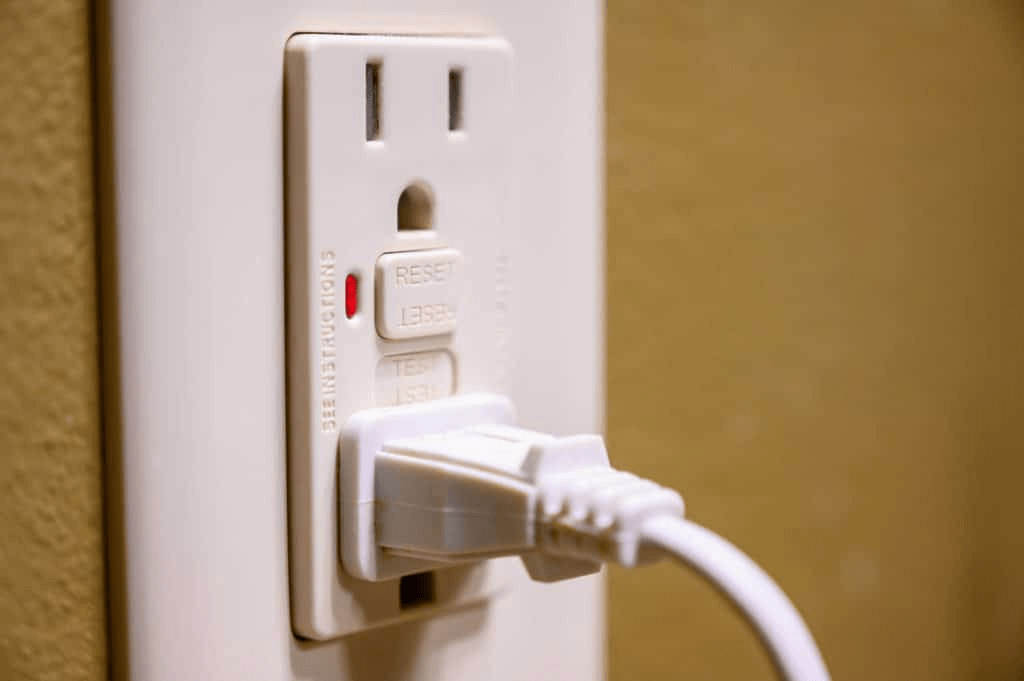
Understanding GFCI Protection
GFCI, or Ground Fault Circuit Interrupter, is a device designed to shut off electricity immediately if it detects a ground fault, reducing the risk of electric shock.
Read too: Why Are My Garage Doors Opening By Themselves? Troubleshooting Guide
Key Benefits:
- Protects against electrical shocks from wet environments
- Prevents fires caused by short circuits
- Enhances safety in areas like garages, kitchens, and bathrooms
GFCI outlets are widely recommended in areas where electricity and moisture may interact.
Are Garage Door Openers Required to Be GFCI Protected?
NEC (National Electrical Code) Guidelines
According to the National Electrical Code (NEC):
- 2017 NEC, Section 210.8(A)(2): Requires GFCI protection for outlets in garages.
- This applies to all 125V, single-phase, 15- and 20-amp receptacles.
Interpretation:
- If your garage door opener plugs into a standard 120V outlet, and that outlet is in the garage, it should be GFCI protected.
- Hardwired openers may not need GFCI protection on the unit itself but should comply with the branch circuit requirements.
Risks of Not Using GFCI Protection
| Risk | Description | Example |
|---|---|---|
| Electric Shock | Contact with faulty wiring | Touching opener during rain or wet floor |
| Fire Hazard | Short circuits not interrupted | Sparks in garage due to damaged cord |
| Code Violation | NEC non-compliance | May affect insurance coverage |
Statistics: According to the Electrical Safety Foundation International (ESFI), nearly 1,000 deaths and 3,300 injuries per year are linked to electrical hazards in home garages.
How to Ensure Your Garage Door Opener Is GFCI Protected
Step-by-Step Installation
- Check Existing Outlets
- Look for a test/reset button on the outlet (GFCI indicator).
- Install GFCI Outlet if Needed
- Turn off power at the breaker.
- Replace the standard outlet with a GFCI receptacle rated for 15 or 20 amps.
- Follow manufacturer instructions for wiring.
- Test GFCI Functionality
- Press the “Test” button to cut power, then “Reset” to restore.
- Verify your garage door opener still operates correctly.
- Optional Hardwired GFCI Protection
- For openers hardwired to the circuit, a GFCI breaker can be installed in the electrical panel.
Pro Tip: Always consult a licensed electrician if unsure. Safety and compliance are critical.
Benefits of GFCI Protection for Garage Openers
- Enhanced Safety: Protects people from accidental shocks.
- Code Compliance: Meets NEC regulations for residential garages.
- Prevents Damage: GFCI can stop minor faults before they escalate.
- Peace of Mind: Reduces liability and insurance risks.
FAQ Section
1. Can I use a non-GFCI outlet for my garage opener?
Technically, it may operate, but it violates NEC code and increases shock risk.
2. Do all garage door openers need GFCI outlets?
Most plug-in openers do; hardwired models may rely on GFCI breakers.
3. What if my garage is already wired with GFCI?
Test the outlet regularly using the Test/Reset buttons to ensure protection.
4. Does using a GFCI reduce opener performance?
No, it only interrupts power during a ground fault; normal operation is unaffected.
5. Can I install a GFCI myself?
Yes, if you’re confident with wiring, but consult a licensed electrician for compliance and safety.
Conclusion
In conclusion, garage door openers that plug into standard outlets in garages should be GFCI protected to meet code requirements and enhance safety. Installing a GFCI outlet or breaker not only prevents shocks but also protects your home and ensures peace of mind. Share this guide with friends or family to help them safeguard their garage opener setup!

Leave a Reply