Is your garage door giving you a hard time? Does it jerk when you try to open or close it? Dealing with a garage door jerks when opening nd closing can be frustrating and inconvenient. Not to mention, it can also pose safety risks. But worry not! In this article, we’ll provide you with a comprehensive troubleshooting guide to help you fix that garage door and restore smooth operation.
Understanding the Problem
Before we delve into the troubleshooting steps, let’s first understand what a jerks garage door means and what causes it. A garage door jerks when opening nd closing is characterized by uneven or erratic movement when opening or closing. It can make loud noises, hesitate, or even get stuck during operation. Several factors can contribute to this issue, including misalignment, worn-out parts, or insufficient lubrication.
Troubleshooting Steps
Now that we know the potential causes, let’s go through the step-by-step troubleshooting process to resolve the problem and get your garage door back on track.
Step 1: Visual Inspection
The first step is to conduct a thorough visual inspection of your garage door and its components. Start by examining the tracks, springs, rollers, and hinges. Look for any signs of damage, misalignment, or wear and tear. Cracked tracks, frayed cables, or rusted hinges can all contribute to a jerks garage door.
Step 2: Lubrication
Proper lubrication is crucial for the smooth operation of your garage door. Insufficient lubrication can cause friction, leading to jerks movements. Use a high-quality garage door lubricant and apply it to the tracks, rollers, hinges, and springs. This will reduce friction and promote smoother movement.
Step 3: Check and Adjust the Tracks
Misaligned tracks are a common cause of jerks garage doors. Use a level to inspect the alignment of the tracks. If you notice any gaps or deviations, loosen the mounting brackets and gently tap the tracks back into position. Once aligned, tighten the brackets securely.
Step 4: Inspect and Replace Worn-Out Parts
Over time, garage door components can wear out and contribute to jerks movements. Inspect the cables, springs, and rollers for any signs of wear or damage. If you notice any issues, it’s important to replace these parts promptly. Consult your garage door’s manual or consider seeking professional help for proper replacement.
Step 5: Balance and Tension Adjustment
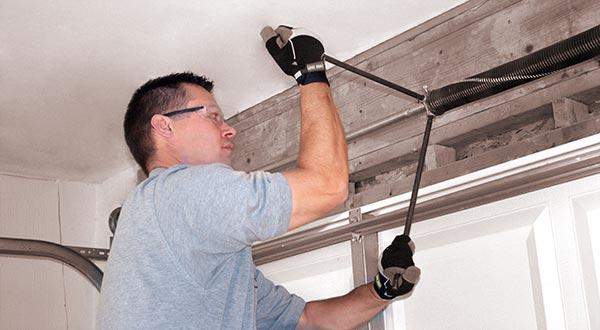
Proper balance and tension are essential for a smooth and reliable garage door operation. To test the balance, disconnect the opener and manually operate the door. It should move smoothly without any resistance or imbalance. If you notice any problems, adjust the tension of the springs accordingly. Be cautious when dealing with high-tension springs, as they can be dangerous if mishandled. If in doubt, consult a professional.
Step 6: Professional Assistance
If you’ve followed the troubleshooting steps and your garage door is still jerks, or if you’re uncomfortable performing the repairs yourself, it’s time to seek professional assistance. A qualified garage door repair expert will have the knowledge and experience to diagnose and resolve the issue effectively. They can ensure your garage door operates smoothly and safely.
Preventive Maintenance Tips
Prevention is key to avoiding future issues with your garage door. Here are some essential maintenance tips to keep your garage door in optimal condition:
- Conduct regular inspections to identify any signs of damage or wear.
- Lubricate the moving parts of your garage door every six months or as recommended by the manufacturer.
- Perform minor adjustments, such as tightening screws or bolts, as needed.
- Avoid hanging excessive weight on your garage door, as it can strain the components.
- Keep the tracks clean and free from debris or obstructions.
By implementing these preventive maintenance practices, you can extend the lifespan of your garage door and minimize the chances of encountering jerks movements.
Conclusion
Don’t let a jerks garage door ruin your day or compromise your safety. With the troubleshooting steps outlined in this guide, you have the tools to address the issue and restore smooth operation to your garage door. Remember to conduct a visual inspection, lubricate the moving parts, check and adjust the tracks, inspect and replace worn-out parts, ensure proper balance and tension, and seek professional help if needed. By following these steps and practicing regular preventive maintenance, you can enjoy the convenience and reliability of a smoothly functioning garage door.
Leave a Reply