Introduction
Experiencing a garage door opener does not work in hot weather can be frustrating, especially during summer months. Many homeowners face this issue as heat affects electrical components and mechanical systems. This guide explains common causes, practical solutions, and preventive tips to ensure your garage opener operates reliably even in high temperatures.
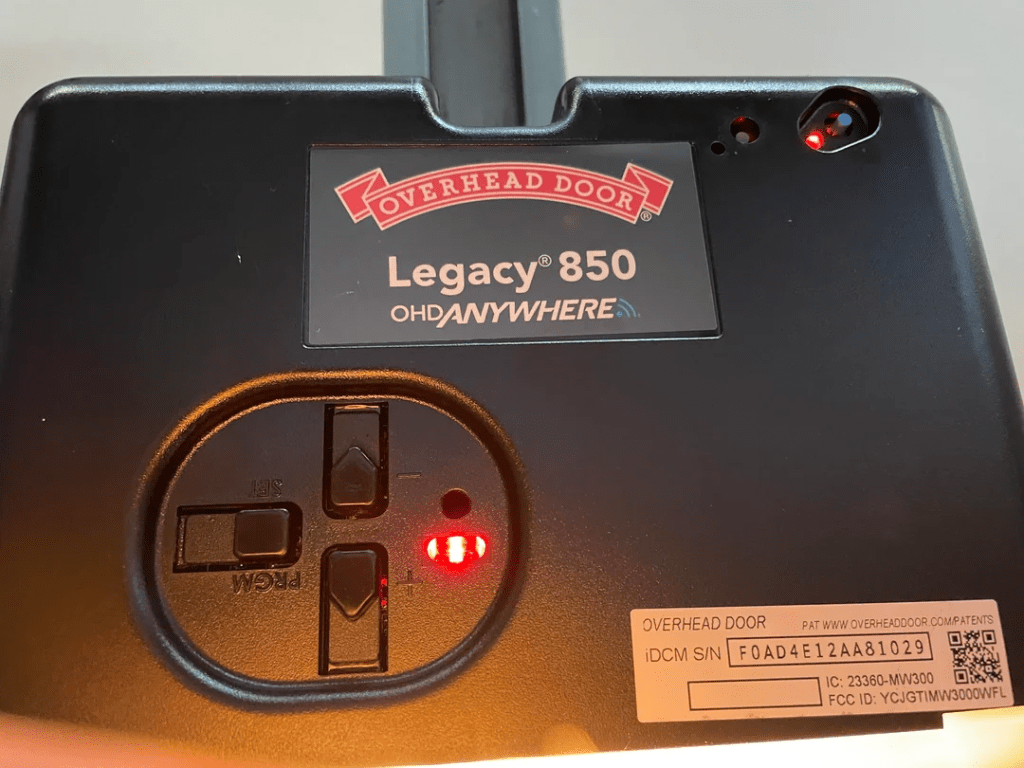
Why Garage Door Openers Fail in Hot Weather
High temperatures can impact garage door openers in several ways:
- Overheating Motor: Prolonged heat can cause the motor to overheat and shut down temporarily.
- Remote Control Malfunction: Heat may affect batteries or infrared sensors, causing the opener to fail.
- Plastic and Rubber Component Expansion: Heat can warp plastic gears, limit switches, or rollers, leading to misalignment.
- Circuit Board Issues: Excessive heat can trigger thermal protection, cutting power to the opener.
- Track Expansion: Metal tracks can expand in heat, creating resistance and preventing smooth operation.
Read too: The Complete Guide to Tighten Chain On Garage Door Opener for Smooth Operation
Statistic: According to a 2022 Home Appliance Study, nearly 35% of homeowners reported garage door opener issues during summer heat waves.
Step-by-Step Solutions
Step 1: Allow the Motor to Cool
- If the opener fails, wait 15–30 minutes to allow the motor to cool down.
- Avoid repeated attempts during peak heat hours, which can damage the motor permanently.
Step 2: Check Batteries and Sensors
- Replace remote batteries if performance drops in heat.
- Clean infrared sensors to remove dust or debris.
- Ensure sensors are aligned correctly; misalignment may trigger safety reversal.
Step 3: Inspect Mechanical Components
- Check plastic gears for warping.
- Lubricate metal rollers, hinges, and tracks with high-temperature garage door lubricant.
- Inspect tracks for expansion; tighten or adjust brackets as needed.
Step 4: Protect the Opener from Direct Sunlight
- Install a small roof or reflective shield over the opener motor to reduce heat exposure.
- Keep the garage door closed during peak heat to minimize internal temperature rise.
Step 5: Test the Opener
- Operate the door slowly to ensure smooth movement.
- Verify that sensors, remotes, and wall controls respond correctly.
| Problem | Cause | Solution |
|---|---|---|
| Door stops mid-operation | Overheating motor | Allow cooling and reduce operation frequency |
| Remote doesn’t work | Heat-affected batteries | Replace batteries and test |
| Door moves unevenly | Track expansion | Adjust tracks and lubricate |
| Motor clicks but doesn’t lift | Warped gears | Inspect gears and replace if needed |
For more technical details about garage door openers, visit Wikipedia: Garage Door Opener.
Preventive Tips for Hot Weather
- Keep your garage well-ventilated or install a fan.
- Use reflective paint or insulation to reduce heat buildup.
- Regularly inspect and lubricate opener components.
- Avoid excessive use during peak heat; give the motor time to cool between cycles.
FAQ Section
Q1: Why does my garage door opener fail only in hot weather?
Heat affects motor operation, plastic components, and electronics, causing temporary failure.
Q2: Can I prevent my opener from overheating?
Yes, by shielding it from sunlight, ventilating the garage, and avoiding excessive cycles.
Q3: Are some openers more heat-resistant?
Yes, modern models with metal gears, high-temperature-rated motors, and better ventilation handle heat more efficiently.
Q4: Can the remote fail due to heat?
Yes, heat can reduce battery efficiency and affect infrared sensors.
Q5: Is it safe to operate the door if it’s hot?
It’s best to wait for cooling to prevent permanent motor damage or component warping.
Q6: How often should I maintain my opener for hot weather?
Inspect and lubricate components every 3–6 months, especially before summer.
Conclusion
A garage door opener does not work in hot weather due to motor overheating, sensor issues, or component expansion. By following the steps above—cooling the motor, checking sensors, lubricating components, and protecting the opener—you can maintain reliable operation even in high temperatures.
Leave a Reply