The convenience of an automatic garage door is undeniable, but what happens when that convenience comes with an unwelcome noise? If you find your garage door squeaking when opening, you’re not alone. This common issue can be caused by various factors, from simple maintenance needs to more complex problems. In this article, we’ll explore why your garage door might be squeaking and provide practical solutions to address the noise issue.
Understanding the Causes of Garage Door Squeaking
Pinpointing the Culprit
Before we delve into solutions, let’s identify some common reasons why your garage door might be emitting that annoying squeak:
1. Lack of Lubrication
Garage doors have numerous moving parts that require lubrication to operate smoothly. Over time, the lubricant can wear off, leading to increased friction and, subsequently, squeaking.
2. Worn Rollers
The rollers that guide the garage door along the tracks can wear out or become damaged, causing friction and noise as the door moves.
3. Loose Hardware
Regular use of the garage door can cause nuts, bolts, and other hardware to become loose. Loose components can rattle and produce squeaking sounds.
4. Damaged or Worn Springs
Torsion or extension springs play a crucial role in balancing the garage door’s weight. When these springs become damaged or worn, they can create noise during operation.
5. Misaligned Tracks
If the tracks that guide the garage door are misaligned, it can result in friction and squeaking as the door moves along them.
6. Weather Conditions
Extreme temperatures, especially in very cold or hot climates, can affect the lubrication and performance of your garage door, potentially leading to squeaking.
Solutions to Address Garage Door Squeaking
Bringing Back Peace and Quiet
Now that we’ve identified potential causes, let’s explore some solutions to silence your squeaky garage door:
1. Lubrication
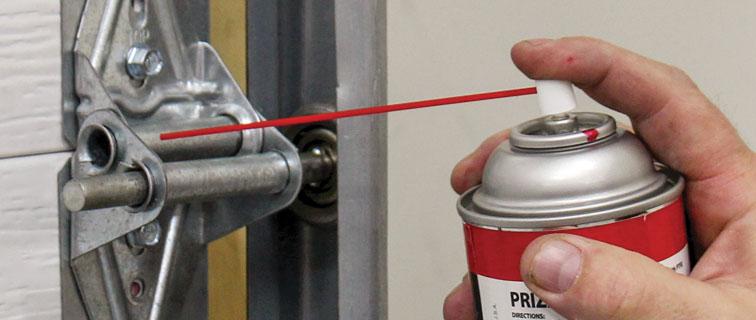
Regularly lubricate the moving parts of your garage door, including hinges, rollers, and springs. Use a silicone-based lubricant or a garage door-specific lubricant recommended by the manufacturer. Apply the lubricant generously but avoid over-application.
If the rollers are worn or damaged, consider replacing them. Nylon rollers are quieter than metal ones and can reduce noise significantly.
3. Tighten Hardware
Inspect and tighten any loose nuts, bolts, or screws on your garage door and its hardware. A wrench or socket set can help with this task.
4. Spring Maintenance
Garage door springs are under tension and can be dangerous to work with if you’re not experienced. If you suspect spring issues, it’s best to consult a professional technician to inspect and replace them if necessary.
5. Track Alignment
Check the alignment of the tracks to ensure they are straight and parallel. Misaligned tracks can cause unnecessary noise and should be adjusted or replaced if needed.
6. Weather Seal Replacement
If extreme weather conditions are affecting your garage door’s performance, consider replacing the weather seal. A new seal can improve insulation and reduce noise.
7. Regular Maintenance
Implement a routine maintenance schedule for your garage door. Regular inspections and preventive measures can help prevent squeaking and extend the lifespan of your garage door.
Conclusion
A squeaking garage door can be an annoying and disruptive problem, but it’s not insurmountable. By understanding the potential causes of garage door squeaking and implementing the appropriate solutions, you can restore peace and quiet to your garage. Whether it’s a simple lubrication job or a more complex repair, addressing the issue promptly will not only eliminate the noise but also ensure the continued smooth and safe operation of your garage door. Remember that safety should always come first, so if you’re uncertain about any aspect of garage door maintenance or repair, consult a professional technician to assess and address the problem.
Leave a Reply