How Do Garage Door Openers Work and What Makes Them Tick? Curious about the inner workings of garage door openers? Understanding how these devices function can provide valuable insights into maintaining and troubleshooting them effectively. In this article, we’ll explore the mechanics behind garage door openers, shedding light on their operation and the key components involved.
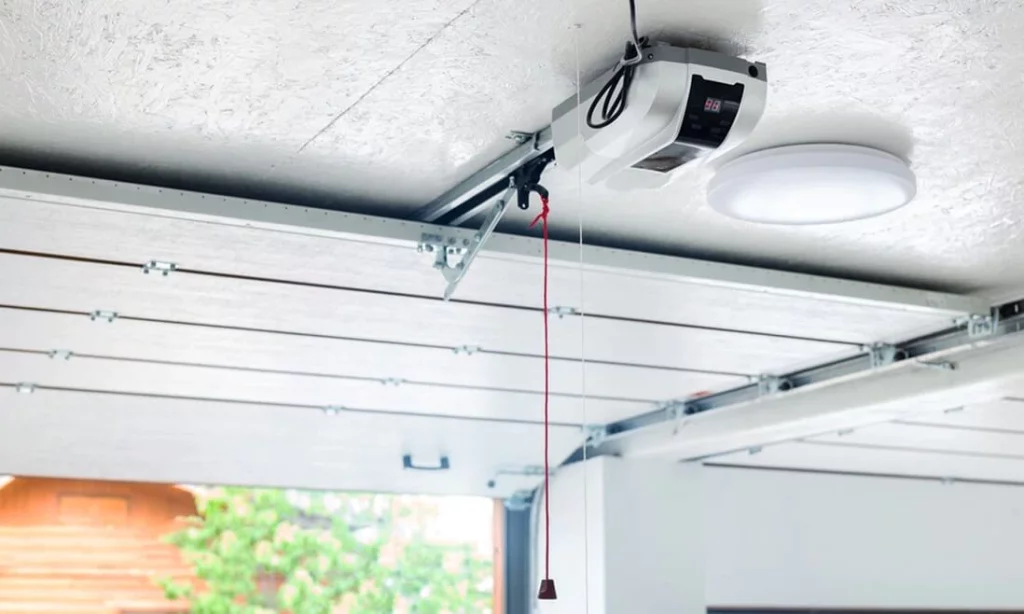
How Do Garage Door Openers Work: A Detailed Look
Understanding the Basics
At its core, a garage door opener is a motorized device designed to open and close garage doors automatically. Garage door openers rely on multiple components to ensure smooth and reliable door movement.
Components of a Garage Door Opener
- Motor: The heart of the garage door opener, the motor is responsible for generating the power needed to lift and lower the garage door. Most modern garage door openers utilize either a chain, belt, or screw drive system to transfer power from the motor to the door.
- Drive Mechanism: The drive mechanism determines how the motor’s power is transmitted to the garage door. Chain drives use a metal chain to move the door, while belt drives utilize a reinforced rubber belt for quieter operation. Screw drives, on the other hand, feature a threaded steel rod that rotates to move the door.
- Remote Control: Garage door openers are typically equipped with a remote control device that allows users to operate the door from a distance. The remote sends signals to the opener, triggering it to activate the motor and initiate door movement.
- Safety Sensors: Modern garage door openers include safety sensors to prevent accidents. These sensors detect obstacles, prompting the opener to stop and reverse door movement for safe operation.
Operating Principle
When a user activates the garage door opener, a signal is sent to the receiver unit, prompting the motor to activate. The motor then engages the drive mechanism, causing the door to move along its tracks. As the door opens or closes, the sensors monitor the area around the door for any obstructions. If an obstruction is detected, the sensors will immediately halt the door’s movement and reverse it to prevent accidents.
Read too: Why Your Liftmaster Garage Door Won’t Stay Closed and How to Fix It? Troubleshooting Tips
Conclusion
Garage door openers are vital for convenience and safety, enabling easy door operation with a button press. Understanding their workings and technology helps homeowners maintain and troubleshoot these crucial devices.
Leave a Reply