When it comes to ensuring the optimal functioning of your garage door, understanding the intricacies of the springs is paramount. In this comprehensive guide, we’ll unravel the mystery behind the ideal number of turns on a 16×7 garage door spring, providing insights for homeowners and DIY enthusiasts alike.
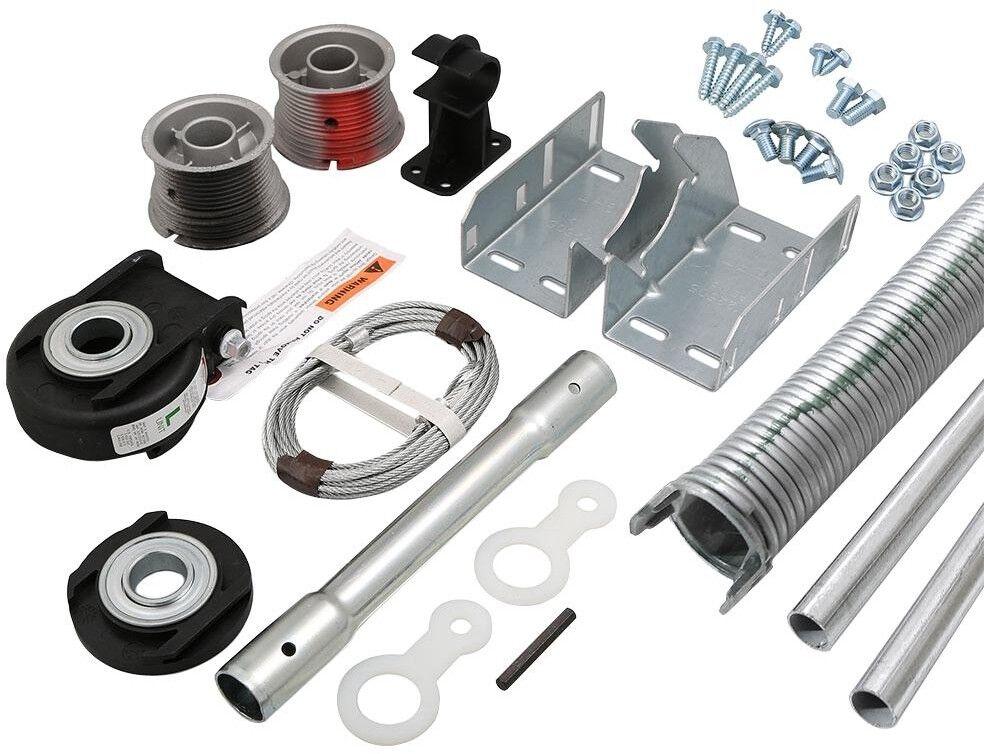
Decoding the Essentials: How Many Turns on a 16×7 Garage Door Spring is Just Right?
Before delving into the specifics, let’s address the fundamental question: How Many Turns on a 16×7 Garage Door Spring are ideal? The 16×7 garage door, a common size for residential garages, requires a carefully calibrated spring system to ensure smooth and balanced operation. The number of turns on the spring plays a crucial role in achieving this equilibrium.
Understanding the Dynamics: How Many Turns on a 16×7 Garage Door Spring
- Door Weight Consideration: The number of turns required is directly influenced by the weight of the garage door. A 16×7 garage door, being larger than standard sizes, tends to be heavier. The spring must counterbalance this weight effectively to prevent strain on the opener and ensure smooth lifting and lowering.
- Spring Tension Balance: Achieving the right balance in spring tension is vital for the safety and longevity of the garage door system. Too few turns may result in insufficient tension, causing the door to feel heavy and potentially damaging the opener. Conversely, too many turns can lead to excessive tension, posing safety risks and causing unnecessary wear and tear.
- Manufacturer’s Recommendations: Always consult the manufacturer’s guidelines for your specific garage door and spring system. Manufacturers often provide recommendations regarding the number of turns based on the door’s size and weight. Following these guidelines ensures that you are within the safe and optimal range for your particular setup.
Determining the Correct Turns
To ensure a precise and effective setup, it’s crucial to follow a systematic approach when determining the number of turns on a 16×7 garage door spring.
Calculating Turns: How Many Turns on a 16×7 Garage Door Spring is the Right Number?
- Measure the Door Weight: Begin by measuring the weight of your 16×7 garage door. This can be done using a bathroom scale or by consulting the door’s specifications provided by the manufacturer.
- Consult the Spring Manufacturer’s Chart: Spring manufacturers often provide charts or calculators that correlate door weight with the number of turns required. Input the door weight into the chart to obtain the recommended number of turns for your specific setup.
- Safety First: While it’s essential to follow guidelines, prioritize safety. If you are unsure or uncomfortable with the calculations, seek professional assistance. Garage door springs are under high tension and mishandling can lead to accidents.
Common Pitfalls to Avoid: How Many Turns on a 16×7 Garage Door Spring?
- Ignoring Door Weight: Failing to consider the weight of the garage door is a common mistake. An accurate measurement ensures that the spring system is adequately calibrated.
- Skipping Manufacturer Guidelines: Disregarding the manufacturer’s recommendations can result in an imbalanced system. Always refer to the guidelines provided to achieve optimal performance.
- DIY Risks: While DIY can save money, mishandling garage door springs can lead to injuries and costly repairs. If in doubt, consult a professional for installation and adjustments.
Conclusion: Striking the Right Balance for Garage Door Harmony
In conclusion, determining how many turns on a 16×7 garage door spring is a critical aspect of garage door maintenance. Achieving the right balance ensures not only smooth operation but also enhances the safety and longevity of the entire system. By understanding the factors influencing the number of turns and following a systematic approach, homeowners can confidently calibrate their garage door springs for optimal performance. Remember, when in doubt, seeking professional assistance is always a prudent choice to guarantee the safety of your garage door system.

Leave a Reply