Garage door springs play a critical role in the smooth operation of your garage door, but understanding the specifics of their setup is equally important. In this comprehensive guide, we’ll explore the question “How Many Turns on Garage Door Spring” and provide valuable insights to ensure your garage door functions seamlessly.
Introduction:
Garage door springs are intricate components that counterbalance the weight of the door, allowing for easy opening and closing. The number of turns on a garage door spring is a crucial aspect of its setup, influencing its tension and overall performance. As we delve into this topic, we aim to demystify the process, providing you with the knowledge needed to maintain and adjust your garage door springs effectively.
Understanding the Role of Turns:
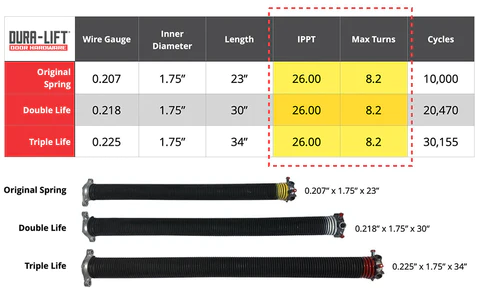
The number of turns on a garage door spring directly impacts its torque and, subsequently, the force exerted on the door. Each turn adds or reduces tension, affecting the door’s balance. Achieving the optimal number of turns is vital for preventing issues such as uneven movement, excessive strain on the opener, and premature wear of the springs.
How Many Turns on Garage Door Spring – Finding the Sweet Spot:
Determining the correct number of turns for your garage door spring involves considering various factors. These include the door’s weight, the type of spring system in use (torsion or extension), and the height of the garage door. We’ll break down the process step by step, providing you with a clear understanding of how to achieve the ideal balance.
Factors Influencing the Number of Turns:
- Door Weight: The weight of your garage door is a primary factor in determining the number of turns required. Heavier doors generally need more turns to counterbalance their weight effectively.
- Spring Type: Torsion and extension springs have different requirements in terms of turns. Understanding the characteristics of each type is crucial for making the necessary adjustments.
- Door Height: The height of your garage door affects the leverage and, consequently, the turns needed for optimal performance. Taller doors may require more turns to maintain proper balance.
Read too: How to Open Garage Door Without Power From Outside Like a Pro? Unlock the Secrets
How to Measure and Adjust Turns:
Providing a step-by-step guide, we’ll walk you through the process of measuring and adjusting the number of turns on your garage door spring. This DIY approach can save you time and money, ensuring your garage door operates smoothly without the need for professional intervention.
Common Issues Related to Incorrect Turns:
Highlighting potential problems arising from incorrect turns, we’ll discuss issues such as jerky movements, excessive noise, and the risk of spring failure. Understanding these signs will empower you to identify and rectify problems promptly.
Conclusion:
In conclusion, the question of “How Many Turns on a Garage Door Spring” is a critical aspect of garage door maintenance. Achieving the right balance is essential for the longevity and efficient operation of your garage door system. Armed with the knowledge provided in this guide, you can confidently address and adjust the turns on your garage door spring, ensuring a hassle-free and reliable experience. Regular attention to this often-overlooked detail can save you from potential issues and keep your garage door functioning optimally for years to come.
Leave a Reply