If your garage door opens unevenly, slams shut, or struggles to lift, the tension is likely off. Many homeowners deal with this issue but aren’t sure where to start. This complete guide on How To Adjust Tension On Chamberlain Garage Door Opener will help you fix the problem safely and confidently, even if you’re a beginner.

A properly balanced door protects your motor, improves safety, and can extend the life of your entire garage door system.
Read too: Door and Garage Door Companies: Choosing the Right Partner for Your Needs
What Does “Tension” Mean in a Garage Door System?
Before jumping into adjustments, it’s important to understand what “tension” refers to.
Garage door tension is controlled by springs that counterbalance the weight of your door. These springs make it possible for your garage door opener motor to lift a door that can weigh 150–300 pounds with ease.
If the tension is wrong, your Chamberlain opener will:
- Struggle to lift or close the door
- Stop halfway
- Reverse unpredictably
- Wear out prematurely
According to a home safety study by Consumer Product Safety Commission, improper spring tension is one of the top 3 causes of garage door malfunctions in the US.
How To Adjust Tension On Chamberlain Garage Door Opener Safely
Safety comes first. Adjusting springs can be dangerous if done improperly.
Some Chamberlain models use standard torsion springs, while others rely on extension springs with tension adjustment via the opener settings.
Tools You’ll Need:
- Safety gloves
- Safety glasses
- Flathead screwdriver
- Ladder
- Winding bars (for torsion springs only)
- Owner’s manual for your Chamberlain model
Step-by-Step: For Chamberlain Openers With Force Adjustment
Most modern Chamberlain garage door openers come with built-in force and travel adjustment dials. Here’s how to use them:
- Unplug the garage door opener
Safety first—completely disconnect from power. - Locate the adjustment screws
They are usually found on the side or back panel and labeled:- Up Force
- Down Force
- Up Travel
- Down Travel
- Mark the original position
Use a marker or pencil to mark where the screws currently sit in case you need to revert. - Adjust the tension gradually
- Turn clockwise in small increments (1/8 turn) to increase force
- Turn counterclockwise to decrease force
- Test the door after each adjustment
Open and close the door fully and observe movement. - Stop when movement is smooth and balanced
✔ The door should open fully without hesitation
✔ Close gently without slamming
✔ Stay halfway when stopped manually
How To Adjust Spring Tension (Torsion/Extension Springs)
Only perform spring adjustments if you’re physically capable and understand the risks.
Torsion Spring System (Above the Door)
- Close the garage door completely.
- Insert winding bars into the winding cone.
- Turn the spring ¼ turn at a time.
- Tighten the set screws.
- Test balance manually.
Extension Spring System (Side Mounted)
- Open the garage door fully.
- Secure it with clamps.
- Move the spring hook to a different hole on the hanger.
- Lower the door and test tension.
According to the Wikipedia article on garage doors, improperly adjusted spring tension significantly increases injury risk and equipment damage.
Symptoms of Incorrect Garage Door Tension
Here’s how to know if your tension needs adjusting:
| Symptom | Possible Cause |
|---|---|
| Door slams shut | Too much tension |
| Door won’t open | Too little tension |
| Door stops mid-way | Unbalanced system |
| Opener strains loudly | Motor compensating for tension |
Can I Adjust Tension Using The Chamberlain Smart Panel?
Yes, newer Chamberlain models include smart control panels:
- Press and hold the “Adjust” button.
- Follow the guided setup instructions on the control screen.
- Adjust up/down travel limits first.
- Adjust force settings next.
This process uses sensors to measure how much resistance the door encounters.
Pro Tip: Always perform adjustments in a temperature range between 22–28°C (72–82°F) for optimal spring behavior.
Professional vs DIY Adjustment: Pros & Cons
✅ DIY Adjustment
Pros:
- Saves money
- Immediate fix
- Great learning experience
Cons:
- Risk if improper
- Requires caution and tools
- No warranty coverage for mistakes
✅ Professional Adjustment
Pros:
- Safer
- Faster
- Warranty protection
Cons:
- Service cost ($80–$150 average in the US)
- Requires scheduling
Common Mistakes When Adjusting Garage Door Tension
Avoid these popular errors:
- Over-tightening springs
- Ignoring cable alignment
- Skipping balance test
- Adjusting without cutting power
- Using incorrect tools
One study by the National Safety Council showed that 30,000+ garage door injuries occur annually, many due to DIY spring adjustments without safety measures.
How To Balance Your Garage Door After Adjustment
After adjusting tension, test balance like this:
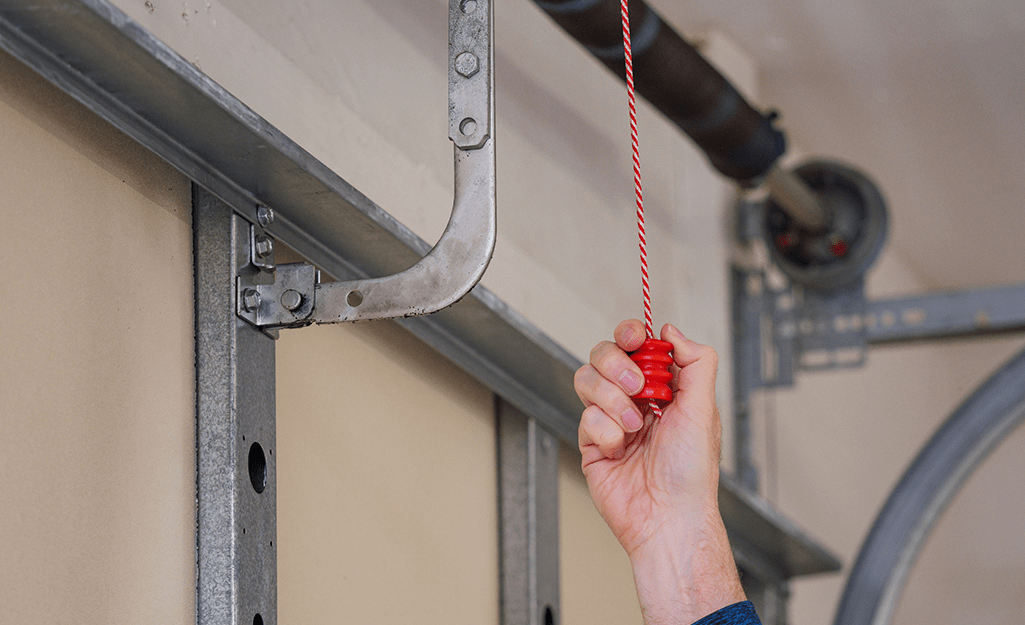
- Pull the emergency release cord.
- Lift the door halfway.
- Let go carefully.
✅ Door stays: Perfect balance
❌ Door moves: Needs readjustment
Repeat until stable.
How Often Should You Adjust Chamberlain Door Tension?
Experts recommend:
- Checking door tension every 6–12 months
- Before winter and summer temperature changes
- After heavy usage periods
Average garage doors in the US are opened 1,500+ times per year, according to home maintenance studies.
People Also Ask (Related Sub-Questions)
Can garage door tension be too high?
Yes. Too much tension can damage the motor, tracks, and cause snapping springs.
Will wrong tension affect remote performance?
Indirectly. A door with extreme resistance may confuse the safety sensors.
Should both springs be adjusted equally?
Always. Uneven tension creates imbalance and can warp the door.
FAQs (H2)
Frequently Asked Questions
Q1: How do I know if my Chamberlain opener tension is wrong?
A: If the door jerks, stops halfway, or slams shut, your tension likely needs adjustment.
Q2: Is it safe to adjust garage door tension alone?
A: Yes, for motor settings. For spring tension, only if you follow strict safety guidelines.
Q3: How long does tension adjustment take?
A: About 20–40 minutes for opener settings. Spring work takes longer.
Q4: Does adjusting tension reset my opener settings?
A: No, but make sure your travel limits remain intact afterward.
Q5: Can temperature affect tension?
A: Yes. Springs expand in heat and contract in cold, slightly impacting tension.
Conclusion
Learning How To Adjust Tension On Chamberlain Garage Door Opener is a valuable skill that boosts safety, extends motor life, and ensures smooth operation. By following this guide carefully, you can fix most common tension issues without unnecessary service costs.
If this article helped you, share it on Facebook, Pinterest, or your favorite DIY forums so others can benefit too. A smooth garage door is one less thing to worry about!
Leave a Reply