Many homeowners eventually wonder, what happens if I unplug my garage door opener. Maybe you’re trying to reset the system, save electricity, or deal with a malfunctioning opener.
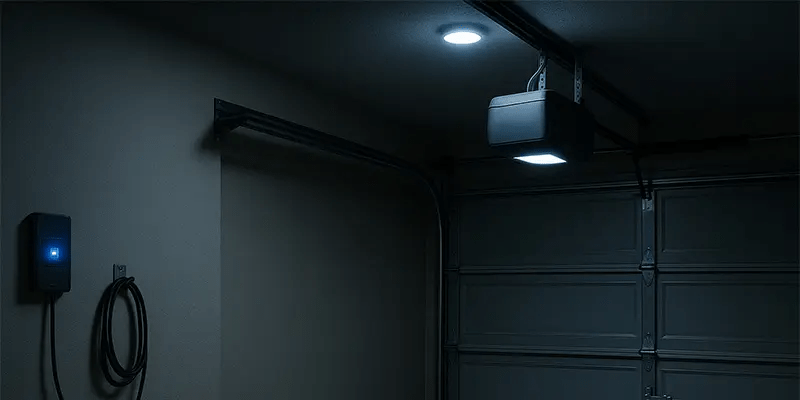
The good news is that unplugging a garage door opener is usually safe. However, it does change how your garage door operates. Understanding what stops working—and how to operate the door manually—can help you avoid frustration or potential safety issues.
Read too: How To Replace Garage Door Roller Like a Pro? Step-by-Step Guide
What Happens If I Unplug My Garage Door Opener?
The short answer to what happens if I unplug my garage door opener is simple: the automatic system stops working, but the garage door itself can still operate manually.
When the opener is unplugged:
- The motor no longer powers the door
- Remote controls stop working
- Wall buttons become inactive
- Smart garage features disconnect
- The door must be opened manually
However, the garage door itself remains functional because the door system and the opener motor are separate components.
Why Garage Doors Still Work Without Power
Most garage doors are designed with a manual release mechanism. This allows homeowners to operate the door during power outages.
According to garage door safety standards, manual release systems are required to ensure access even when the opener loses power.
You can learn more about the general mechanics of garage doors here:
https://en.wikipedia.org/wiki/Garage_door
Will My Garage Door Still Open If the Opener Is Unplugged?
Yes, but you must open it manually.
When the opener is unplugged, the motor disconnects from the lifting system, so the door is no longer powered.
Manual Operation
You can lift the door by hand using the emergency release cord.
Typical process:
- Pull the emergency release handle.
- This disconnects the door from the opener trolley.
- Lift the door manually.
Most modern garage doors are designed with spring counterbalance systems, which makes them relatively easy to lift.
Why Someone Might Unplug a Garage Door Opener
There are several legitimate reasons homeowners unplug their garage door opener.
1. Resetting the System
Unplugging for 30–60 seconds can reset the opener’s electronics.
This can fix issues like:
- Remote control malfunction
- Smart opener connectivity issues
- Sensor errors
2. Electrical Safety
Homeowners sometimes unplug the opener when:
- Performing maintenance
- Replacing sensors
- Inspecting wiring
Disconnecting power prevents accidental activation.
3. Storm or Power Surge Protection
During severe storms, unplugging sensitive electronics may protect them from power surges.
Garage door openers contain circuit boards that can be damaged by voltage spikes.
4. Extended Vacations
Some homeowners unplug the opener when leaving home for long periods.
However, there are better security options, such as locking the door manually.
Pros and Cons of Unplugging Your Garage Door Opener
Understanding the advantages and disadvantages can help you decide when unplugging makes sense.
Advantages vs Disadvantages
| Pros | Cons |
|---|---|
| Resets electronic glitches | Remote access stops working |
| Protects during electrical storms | Smart features disconnect |
| Prevents accidental operation | Door must be opened manually |
| Improves safety during repairs | Inconvenient for daily use |
In most cases, unplugging should be temporary, not permanent.
What Stops Working When the Opener Is Unplugged?
When you unplug your garage door opener, several features stop functioning.
Remote Controls
Garage remotes rely on the opener’s motor unit to receive signals. Without power, they do nothing.
Wall Control Panel
The wall button inside the garage also becomes inactive.
Safety Sensors
The safety sensor system depends on electrical power. While unplugged, the sensors are inactive because the motor is not operating.
Smart Garage Features
If your opener connects to Wi-Fi or a smart home system, those features also stop working.
Examples include:
- Smartphone apps
- Alexa or Google Assistant integration
- Remote monitoring
How to Open Your Garage Door Manually
If the opener is unplugged—or if there is a power outage—you can still open the door manually.
Step-by-Step Guide
Step 1: Ensure the door is closed
Before disconnecting the opener, make sure the garage door is fully closed if possible.
This prevents sudden movement.
Step 2: Locate the emergency release cord
Look for a red handle hanging from the opener rail.
Step 3: Pull the cord firmly
Pulling the cord disengages the trolley from the opener carriage.
Step 4: Lift the door slowly
Use both hands to lift the door upward.
A properly balanced door should feel relatively light.
Step 5: Lower the door carefully
When closing, guide the door gently until it touches the floor.
How to Reconnect the Garage Door Opener
After plugging the opener back in, you may need to reconnect the door.
Reconnection Process
- Plug the opener back into the electrical outlet.
- Pull the emergency release cord toward the opener.
- Press the wall button or remote.
- The trolley should automatically reconnect to the door.
This usually happens when the opener completes one full open/close cycle.
Is It Bad to Unplug Your Garage Door Opener?
In most cases, unplugging a garage door opener occasionally is perfectly safe.
However, frequent unplugging could indicate a larger issue.
Possible Underlying Problems
If you’re unplugging often, the opener may have:
- Electrical glitches
- Faulty wiring
- Sensor alignment issues
- Motor overheating
In these situations, troubleshooting or professional service may be necessary.
Safety Tips When Disconnecting Your Garage Door Opener
Garage doors are heavy mechanical systems, so safety matters.
Important Safety Guidelines
✔ Always disconnect power before repairs
✔ Never stand directly under a moving door
✔ Check that springs are functioning properly
✔ Keep children away during manual operation
According to garage door safety organizations, improper door handling is a leading cause of garage-related injuries.
Signs Your Garage Door System Needs Repair
If unplugging the opener does not solve the problem, watch for these warning signs.
Warning Indicators
- Door feels unusually heavy
- Loud grinding noises
- Door stops halfway
- Opener motor runs but door doesn’t move
- Safety sensors blinking
These issues often indicate problems with springs, tracks, or the opener motor.
FAQ: What Happens If I Unplug My Garage Door Opener?
1. Will unplugging my garage door opener reset it?
Yes. Unplugging the opener for 30–60 seconds can reset its electronics and resolve minor glitches.
2. Can I still open my garage door if the opener is unplugged?
Yes. You can use the emergency release cord to disconnect the opener and lift the door manually.
3. Does unplugging the opener damage the system?
No. Disconnecting power occasionally is safe and sometimes recommended during maintenance.
4. Will my garage door lock if the opener is unplugged?
Not automatically. Some doors have manual locks, but unplugging the opener does not lock the door.
5. How heavy is a garage door to lift manually?
Most residential garage doors weigh 130–350 pounds, but torsion springs counterbalance the weight, making manual lifting easier.
6. Should I unplug my garage door opener during storms?
It can help protect the opener from power surges, especially if your home lacks surge protection.
Conclusion
Understanding what happens if I unplug my garage door opener helps homeowners handle power outages, maintenance, or troubleshooting situations with confidence.
When unplugged, the automatic system stops working, but the garage door itself can still operate manually using the emergency release mechanism. This design ensures you can always access your garage even when electricity is unavailable.
By learning how to safely disconnect, operate, and reconnect your garage door opener, you can prevent inconvenience and maintain your garage system properly.
If you found this guide helpful, consider sharing it on social media so other homeowners can learn how to manage their garage door systems safely and effectively.


Leave a Reply