Few things are more frustrating than pressing your remote and discovering your garage door refuses to move. If you’re wondering What To Do If Electric Garage Door Won’t Open, you’re not alone—this is one of the most common garage door problems homeowners face.
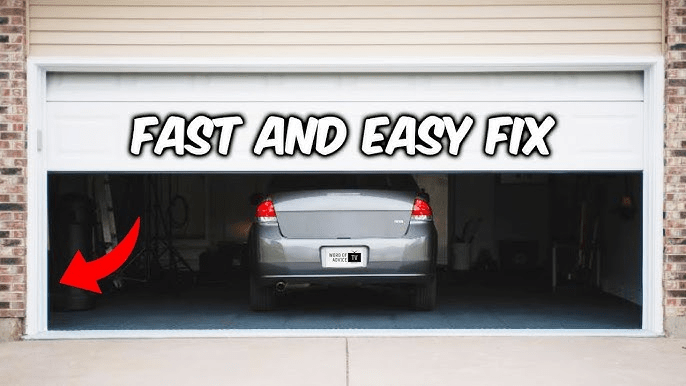
The good news is that many issues are simple to diagnose and fix. In this guide, you’ll learn the most common reasons an electric garage door won’t open and step-by-step solutions to get it working again safely.
Read too: How To Replace Garage Door Roller Like a Pro? Step-by-Step Guide
What To Do If Electric Garage Door Won’t Open
When your garage door refuses to open, the problem usually falls into one of these categories:
- Power supply issues
- Remote control problems
- Safety sensor blockage
- Broken springs or cables
- Misaligned tracks
Before calling a technician, there are several troubleshooting steps you can try safely.
Check the Power Supply First
One of the simplest explanations is that the garage door opener has lost power.
How to Check
Follow these steps:
- Confirm the opener is plugged into a working outlet.
- Check your home’s circuit breaker.
- Test the outlet using another device such as a lamp.
If the opener has no power, the door motor cannot operate.
Signs of Power Issues
Look for these indicators:
- No lights on the opener unit
- Remote controls not responding
- Wall button not working
Restoring power may immediately fix the problem.
Check the Remote Control Battery
If the opener unit has power but the door still doesn’t respond, the problem may be the remote.
Common Remote Problems
- Dead batteries
- Remote signal interference
- Damaged remote buttons
Replacing the battery often solves the issue.
Most remotes use CR2032 or CR2016 coin batteries.
Make Sure the Garage Door Isn’t Locked
Many garage doors include a manual lock or vacation lock feature.
If the lock is engaged, the opener cannot lift the door.
How to Check
Look for:
- A sliding bolt on the inside of the door
- A lock button on the wall control panel
Disable the lock and test the opener again.
Inspect the Safety Sensors
Modern garage doors include photo-eye safety sensors that prevent the door from closing if an object blocks the doorway.
If these sensors are misaligned or dirty, the door may refuse to open or close properly.
Typical signs include:
- Blinking sensor lights
- Door starts moving then stops
- Door reverses automatically
How to Fix Sensor Issues
Follow these steps:
- Clean the sensor lenses using a soft cloth.
- Ensure the sensors face each other.
- Remove any objects blocking the beam.
- Adjust sensor alignment until the indicator lights stay solid.
These sensors are an important safety feature in automatic garage doors.
You can learn more about how garage door systems work here:
https://en.wikipedia.org/wiki/Garage_door
Check for Broken Garage Door Springs
Garage door springs carry most of the weight of the door.
If a spring breaks, the opener may not be able to lift the door.
Signs of a Broken Spring
- Loud bang from the garage
- Door opens only a few inches
- Door feels extremely heavy when lifted manually
A broken spring requires professional repair because the springs are under high tension.
Look for Obstructions in the Tracks
Garage door tracks guide the door as it moves up and down.
If debris or damage blocks the tracks, the door may stop moving.
Common Track Problems
- Dirt or debris buildup
- Bent metal tracks
- Loose bolts or brackets
Inspect the tracks along both sides of the door.
How to Fix Track Issues
- Clean the tracks using a dry cloth.
- Tighten any loose hardware.
- Check for dents or misalignment.
Minor adjustments can restore smooth operation.
Check the Emergency Release Cord
Garage door openers include an emergency release mechanism that disconnects the door from the opener.
If this cord is pulled accidentally, the opener will run but the door won’t move.
How to Reset It
- Pull the emergency release cord toward the door.
- Move the door manually until it reconnects with the trolley.
- Test the opener again.
This simple fix resolves many unexpected garage door problems.
Weather Conditions Can Affect Garage Doors
Cold weather can cause garage doors to stick to the ground.
This happens when moisture freezes along the door seal.
Signs of Frozen Doors
- Door won’t move during winter
- Motor hums but door stays stuck
How to Fix a Frozen Garage Door
Try these solutions:
- Gently push the door from inside the garage
- Use warm water along the bottom seal
- Apply a de-icing product
Avoid forcing the opener because it may damage the motor.
Common Causes of Electric Garage Door Failure
Below is a summary of typical problems.
| Problem | Possible Cause |
|---|---|
| Door won’t move | Power failure |
| Remote doesn’t work | Dead battery |
| Door stops halfway | Sensor misalignment |
| Door heavy to lift | Broken spring |
| Door stuck in winter | Frozen seal |
Identifying the cause quickly helps you solve the problem faster.
When to Call a Garage Door Professional
Some repairs should only be handled by trained technicians.
Call a professional if you notice:
- Broken springs
- Frayed cables
- Bent tracks
- Motor failure
Garage doors can weigh 150–300 pounds, so attempting major repairs without training can be dangerous.
Preventive Maintenance Tips
Regular maintenance helps prevent garage door failures.
Experts recommend performing these tasks twice per year.
Lubricate Moving Parts
Use silicone-based lubricant on:
- Rollers
- Hinges
- Springs
- Tracks
Test Safety Sensors
Place an object under the door while closing.
If the door doesn’t reverse, the sensors need adjustment.
Inspect Hardware
Check for loose:
- Bolts
- Brackets
- Mounting plates
Tightening hardware helps maintain smooth operation.
Advantages vs Disadvantages of DIY Garage Door Troubleshooting
DIY Troubleshooting
Advantages
- Saves money
- Quick solutions
- Easy maintenance tasks
Disadvantages
- Limited to minor issues
- Safety risks for major repairs
Professional Repair
Advantages
- Expert diagnosis
- Safe spring and cable repair
- Long-term reliability
Disadvantages
- Service cost
- Scheduling required
FAQ: What To Do If Electric Garage Door Won’t Open
Why won’t my electric garage door open with the remote?
The most common reason is a dead remote battery or signal interference.
Can I open an electric garage door manually?
Yes. Pull the emergency release cord to disconnect the opener, then lift the door manually.
Why does my garage door opener run but the door doesn’t move?
The opener may be disconnected from the door due to the emergency release mechanism.
What happens if a garage door spring breaks?
The door becomes extremely heavy and the opener may not lift it. A professional repair is required.
Why does my garage door open halfway then stop?
This can happen due to sensor misalignment, track obstruction, or opener limit settings.
How long do garage door openers last?
Most garage door openers last 10–15 years with proper maintenance.
Conclusion
Knowing What To Do If Electric Garage Door Won’t Open can save you time and frustration. Many problems are simple, such as dead remote batteries, sensor misalignment, or power issues.
However, serious problems like broken springs or motor failure should always be handled by professionals. By following the troubleshooting steps in this guide and performing regular maintenance, you can keep your garage door working smoothly for years.
If this guide helped you solve your garage door issue, consider sharing it on social media to help other homeowners fix their garage door problems quickly.
Leave a Reply