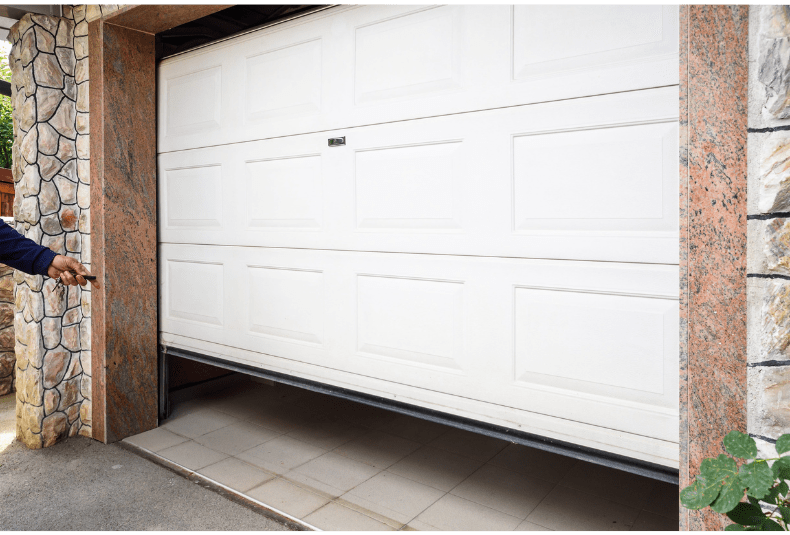
Your garage door is an essential part of your daily routine, and when it doesn’t function correctly, it can be a source of frustration and inconvenience. One common issue many homeowners face is their garage door not opening all the way. This article will delve into the various reasons behind this problem and explore potential solutions to get your garage door functioning properly.
Understanding Your Garage Door System
Before we dive into the potential causes of a garage door not opening fully, it’s essential to grasp the basic components of a typical garage door system:
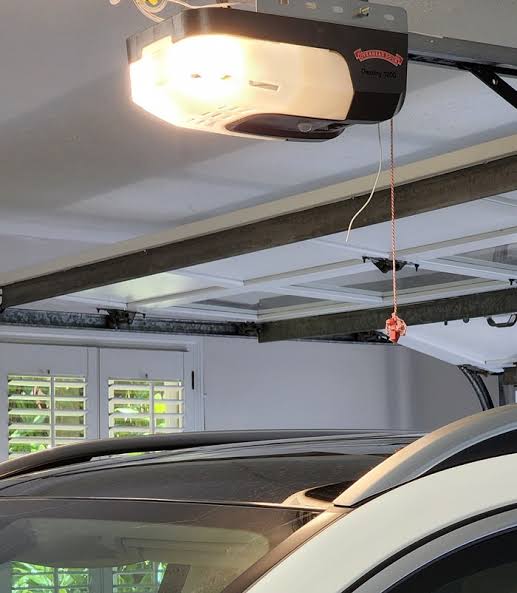
- Garage Door Opener: This motorized device is responsible for the actual opening and closing of the door. It works in conjunction with various mechanisms and controls.
- Tracks and Rollers: The door runs along tracks, guided by rollers. These components ensure the door’s smooth and balanced movement.
- Springs: Garage doors use either extension springs or torsion springs to counterbalance the weight of the door, making it easier to lift.
- Safety Sensors: Modern garage doors are equipped with safety sensors that detect obstructions or obstacles in the door’s path, preventing it from closing if something is in the way.
Potential Reasons for Incomplete Opening
Several factors can lead to a garage door not opening all the way. Let’s explore some of the common issues:
- Obstructions in the Path: The safety sensors mentioned earlier are designed to stop the door from closing if they detect an object in the path. If there’s an obstruction, whether it’s a toy, a tool, or debris, the door won’t open fully.
- Track Misalignment: Misaligned tracks can cause your garage door to move unevenly. This can prevent the door from reaching its fully open position. Check the tracks for any bends or misalignment and have them adjusted by a professional if necessary.
- Limit Switch Adjustment: Modern garage door openers are equipped with limit switches that dictate how far the door should open and close. If these switches are not set correctly, the door may not open all the way. Adjusting the limit switches may solve the issue.
- Spring Problems: Issues with the garage door springs, whether it’s a broken spring or springs that are too weak to support the door’s weight, can lead to incomplete openings. Spring problems should be addressed by a trained technician.
- Opener Force Settings: The force settings on your garage door opener can affect its operation. If the settings are too low, the door may not fully open. Adjusting the force settings might be the solution.
- Electrical Issues: Sometimes, electrical problems within the garage door opener can result in incomplete openings. Check the wiring and connections for any loose or damaged components.
- Remote Control Malfunctions: If your garage door opener responds to the remote control but doesn’t open fully, the issue could be with the remote itself. It’s worth troubleshooting the remote control or replacing its batteries.
Solutions for Incomplete Garage Door Opening
To address the problem of a garage door not opening all the way, you can try the following steps:
- Clear the Path: Ensure there are no obstructions in the door’s path, both on the ground and in the tracks.
- Inspect the Tracks: Examine the tracks for any visible damage or misalignment. If you’re unsure, consult a professional for adjustments.
- Check the Limit Switches: Adjust the limit switches on your garage door opener according to the manufacturer’s instructions. This might resolve the issue if the settings were incorrect.
- Examine the Springs: Inspect the garage door springs for any visible damage or signs of wear. If you notice any issues, contact a professional technician to replace them.
- Adjust Force Settings: If the problem is related to the opener’s force settings, consult your owner’s manual to adjust them to the appropriate level.
- Test the Remote Control: Troubleshoot your remote control to ensure it’s working correctly. Replace the batteries if needed.
Conclusion
A garage door not opening all the way can be a frustrating problem, but it’s often solvable with a bit of troubleshooting and, in some cases, professional assistance. By identifying the underlying cause and taking the appropriate steps, you can restore your garage door to full functionality. Safety is paramount. When in doubt, consult a garage door technician to ensure the issue is resolved correctly and safely.
Leave a Reply