A garage doors quick release mechanism is an essential safety and convenience feature for many homeowners. Whether it’s to manually operate your garage door during a power outage or ensure you can access your garage in emergencies, a quick release is a small but mighty tool. Understanding how it works, its benefits, and proper maintenance can save you time and potential frustrations.
In this article, we’ll explore everything you need to know about garage door quick release, from its purpose and operation to installation and troubleshooting.
What Is a Garage Door Quick Release?
A garage door quick release is a manual mechanism that allows you to disengage the garage door opener from the door itself. This feature is particularly useful during power outages, mechanical failures, or emergencies where the automatic opener cannot function.
Read too: Mastering Quantum Garage Door Opener Programming: A Comprehensive Guide
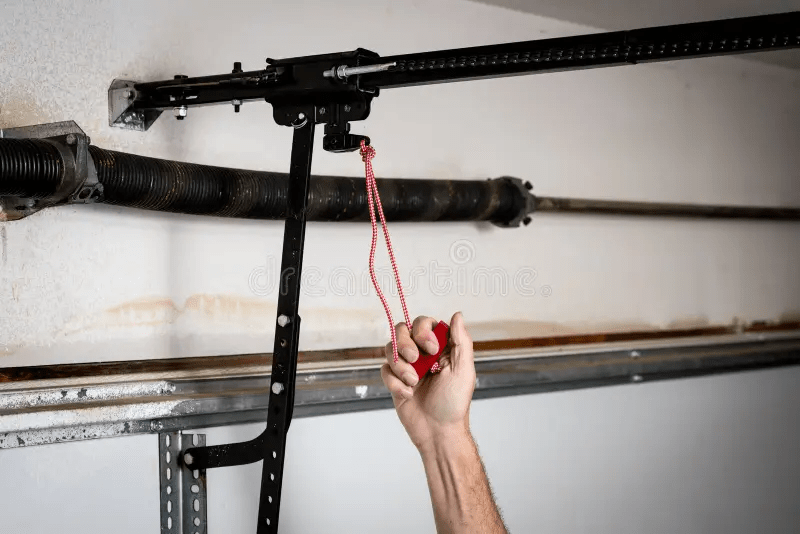
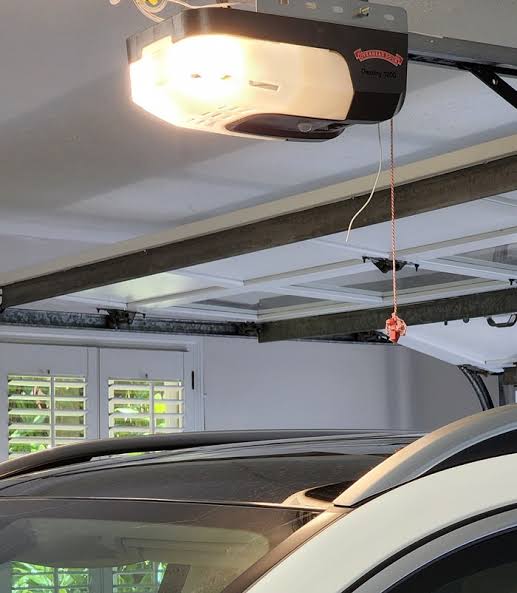
Typically, the quick release system involves a cord or lever, often with a red handle, that disconnects the garage door from the opener’s drive mechanism. Once activated, the door can be operated manually until re-engaged with the opener.
Benefits of a Garage Door Quick Release
1. Emergency Access
During power outages or if the garage door opener malfunctions, a quick release allows you to operate the door manually. This ensures you’re not locked out of your garage or unable to secure it.
2. Safety in Emergencies
In urgent situations, such as a fire, a quick release mechanism provides an escape route if your garage is part of your home.
3. Convenience
For maintenance or repairs, disengaging the opener makes it easier to inspect and service the garage door system.
4. Cost-Effective Solution
Installing or maintaining a garage door quick release is a low-cost measure that can save you from expensive emergency repairs or inconvenience.
How Does a Garage Door Quick Release Work?
The mechanism is straightforward and designed for ease of use. Here’s how it typically functions:
- Locate the Quick Release Cord
The cord is usually red and hangs near the garage door opener rail. - Pull the Cord Downward
Pulling the cord disengages the garage door from the opener’s drive mechanism, allowing the door to move freely along its tracks. - Manually Open or Close the Door
With the opener disengaged, you can lift or lower the garage door manually. - Re-Engage the Opener
To reconnect the door to the opener, ensure the door is in the closed position. Pull the cord again or operate the garage door opener, which will automatically re-engage the mechanism.
Installing a Garage Door Quick Release
If your garage door doesn’t already have a quick release, you can add one. Here’s a step-by-step guide:
Tools Needed:
- Drill and screws
- Quick release kit (available at hardware stores)
- Screwdriver
- Ladder
Installation Steps:
- Turn Off the Power
Ensure the garage door opener is unplugged to prevent accidental activation during installation. - Attach the Quick Release Bracket
Secure the quick release bracket to the garage door opener rail. Follow the manufacturer’s instructions for positioning. - Install the Cord
Thread the cord through the handle provided in the kit. Attach the cord to the release mechanism on the bracket. - Test the Mechanism
Manually pull the cord to ensure the opener disengages from the door. Reconnect the opener to test its re-engagement.
Common Issues with Garage Door Quick Release
While a quick release mechanism is generally reliable, occasional issues can arise. Below are common problems and their solutions:
1. Cord Breakage
Over time, the cord may wear out or break. Replace it promptly to maintain functionality.
2. Mechanism Stuck
If the release lever or cord doesn’t function properly, inspect for dirt, rust, or obstructions. Clean and lubricate the mechanism as needed.
3. Difficulty Re-Engaging the Opener
Ensure the garage door is fully closed before attempting to reconnect the opener. If the issue persists, check for alignment problems in the opener rail.
4. Wear and Tear
Regular use can cause wear to the quick release bracket or handle. Periodic inspection and maintenance can prevent long-term damage.
Tips for Maintaining Your Garage Door Quick Release
To ensure your garage door quick release stays in optimal condition, follow these maintenance tips:
- Inspect Regularly
Check the cord, bracket, and mechanism for signs of wear, rust, or fraying. - Keep It Clean
Dust and debris can interfere with smooth operation. Wipe down the mechanism and tracks periodically. - Lubricate Moving Parts
Apply a silicone-based lubricant to the quick release bracket and other moving parts to reduce friction and prevent rust. - Test the Mechanism
Every few months, test the quick release to ensure it’s functioning properly.
Upgrading Your Garage Door System with Quick Release
Adding a quick release is an excellent upgrade for older garage door systems. Modern quick release kits are easy to install and compatible with most garage door openers.
When shopping for a quick release kit, consider these factors:
- Material Quality: Opt for durable materials like stainless steel or high-grade plastic.
- Cord Length: Ensure the cord is long enough for easy access, even for shorter individuals.
- Brand Compatibility: Check if the kit is compatible with your specific garage door opener model.
Frequently Asked Questions About Garage Door Quick Release
Can all garage doors be fitted with a quick release?
Most garage doors can accommodate a quick release mechanism, but some older models may require adjustments.
Is it safe to use the quick release regularly?
Yes, but avoid overusing it unnecessarily, as frequent manual operation can strain certain components.
What should I do if the quick release isn’t working?
Inspect the cord and mechanism for damage or obstructions. If issues persist, consult a professional.
Why You Should Have a Garage Door Quick Release
Having a garage doors quick release isn’t just about convenience—it’s a critical safety feature for emergencies. Whether you’re dealing with a power outage or need quick access to your garage, this mechanism ensures you’re never stuck.
With proper installation and maintenance, a quick release can serve you reliably for years, providing peace of mind and functionality whenever you need it.
Leave a Reply