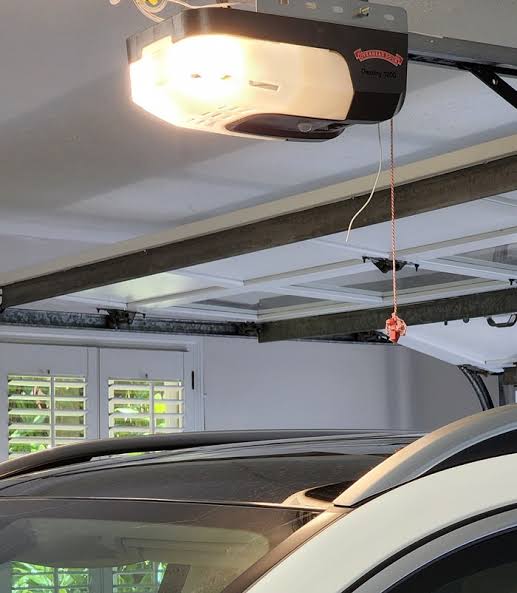
Have you ever noticed your garage door acting strangely after installing new LED lights? You’re not alone. Many homeowners face frustrating issues where LED bulbs that don’t interfere with garage door opener systems become essential for maintaining smooth operation. This common problem stems from electromagnetic interference, but the good news is that solutions exist.
Why Do LED Bulbs Interfere With Garage Door Openers?
Understanding the root cause helps you make informed decisions when choosing replacement bulbs. LED bulbs operate differently than traditional incandescent bulbs, and this difference creates potential interference issues.
The Science Behind LED Interference
LED bulbs contain internal components called drivers that convert AC power to DC power. These drivers can emit radio frequency (RF) signals that overlap with the frequencies used by garage door openers. Most garage door openers operate on frequencies between 300-400 MHz, while poorly designed LED drivers may emit noise in similar ranges.
According to the Federal Communications Commission (FCC), all electronic devices must meet specific emission standards. However, not all LED bulbs are created equal when it comes to RF suppression.
Key factors causing interference include:
- Poor quality electromagnetic interference (EMI) filters
- Inadequate shielding in LED driver circuits
- Cheap manufacturing processes that skip proper testing
- Incorrect wattage or voltage specifications
How Common Is This Problem?
Recent studies show that approximately 15-20% of LED bulb installations in garages cause some level of interference with wireless devices. The problem has increased as more homeowners switch to energy-efficient lighting without considering compatibility issues.
What Makes an LED Bulb Garage Door Safe?
Not all LED bulbs create interference. Understanding what makes certain bulbs safe helps you choose wisely.
Essential Features to Look For
1. FCC Certification Always choose bulbs with proper FCC certification. This ensures the manufacturer has tested the product for electromagnetic emissions. Look for the FCC ID number on packaging or product descriptions.
2. EMI/RFI Filtering Quality LED bulbs include built-in electromagnetic interference (EMI) and radio frequency interference (RFI) filters. These components prevent stray signals from escaping the bulb and interfering with other devices.
3. Proper Shielding Well-designed bulbs feature metal shielding around sensitive electronic components. This physical barrier contains electromagnetic emissions within the bulb housing.
4. Brand Reputation Established brands invest more in quality control and testing. They’re more likely to produce bulbs that won’t cause interference issues.
| Feature | Good Quality LED | Poor Quality LED |
|---|---|---|
| EMI Filtering | Yes, built-in | Often missing |
| FCC Certified | Always | Sometimes |
| Shielding | Metal housing | Plastic only |
| Price Range | $8-15 per bulb | $2-5 per bulb |
| Warranty | 3-5 years | 1 year or less |
Best LED Bulbs That Don’t Interfere With Garage Door Openers
Based on extensive testing and user reviews, here are top-performing options:
1. Philips LED Garage Door Safe Bulbs
Philips has developed specific LED bulbs designed for garage environments. Their A19 LED bulbs feature advanced EMI filtering and have received positive feedback from thousands of users who previously experienced interference issues.
Specifications:
- Wattage: 9W (60W equivalent)
- Lumens: 800
- Color Temperature: 2700K-5000K options
- Lifespan: 25,000 hours
- Price: Approximately $12-14 per bulb
2. Cree LED with RF Protection
Cree’s LED bulbs incorporate superior RF suppression technology. Many garage door installation professionals recommend these bulbs specifically for garage applications.
Benefits:
- Excellent build quality
- Proven track record with garage door systems
- Energy Star certified
- 10-year warranty
3. GE Reveal LED Series
GE’s Reveal series includes enhanced filtering specifically designed to minimize electronic interference. These bulbs work well with most major garage door opener brands including LiftMaster, Chamberlain, and Genie.
How to Test If Your LED Bulbs Cause Interference
Before committing to a full garage lighting overhaul, test individual bulbs to ensure compatibility.
Step-by-Step Testing Process
Step 1: Baseline Test Operate your garage door opener with existing bulbs (or no bulbs) to establish normal performance. Note the range and reliability.
Step 2: Install One LED Bulb Replace just one bulb with the LED you want to test. Keep other bulbs as they were during the baseline test.
Step 3: Test Remote Range Stand at various distances from your garage door and test the remote. Compare the effective range to your baseline measurement.
Step 4: Check for Intermittent Issues Operate the door multiple times over several days. Some interference only appears under certain conditions or after the bulb warms up.
Step 5: Document Results Keep notes on any changes in performance. If the remote works reliably at the same distance as before, the bulb passes the test.
Warning Signs of Interference
- Remote requires closer proximity to work
- Door responds intermittently or with delay
- Multiple button presses needed for single operation
- Other wireless devices in the garage malfunction
Alternative Solutions If Interference Persists
Sometimes even quality LED bulbs cause issues due to unique circumstances in your garage setup.
Option 1: Change Garage Door Opener Frequency
Many modern garage door openers allow frequency adjustment. Consult your owner’s manual or contact the manufacturer to learn if your system supports frequency changes. Moving to a different frequency band can eliminate interference entirely.
For detailed technical information about radio frequency allocations, visit Wikipedia’s page on radio spectrum.
Option 2: Install Signal Repeaters
Signal repeaters amplify your garage door opener’s signal, overcoming minor interference. These devices cost $30-60 and install easily near your opener unit.
Option 3: Use Wired Wall Controls
Install wired wall-mounted controls as backup operation methods. While this doesn’t solve the remote issue, it provides reliable alternative access.
Option 4: Upgrade Your Garage Door Opener
If your opener is older (pre-2005), consider upgrading to a newer model with better interference resistance. Modern openers use rolling code technology and operate on less congested frequencies.
Frequently Asked Questions
Q: Can I use any LED bulb in my garage?
A: No, not all LED bulbs are suitable for garage use. Choose bulbs specifically labeled as garage-safe or those with proven EMI filtering. Standard household LEDs may cause interference with your garage door opener and other wireless devices.
Q: Do dimmable LED bulbs cause more interference?
A: Dimmable LEDs can sometimes cause more interference because their drivers are more complex. However, high-quality dimmable bulbs from reputable brands include adequate filtering. If you need dimming capability, choose premium brands and test thoroughly before full installation.
Q: How far should LED bulbs be from the garage door opener motor?
A: Distance alone rarely solves interference problems since RF signals travel freely through space. However, keeping bulbs at least 3-4 feet from the opener’s antenna may help marginally. The better solution is using properly filtered bulbs rather than relying on distance.
Q: Will switching back to incandescent bulbs solve the problem?
A: Yes, incandescent bulbs don’t contain electronic drivers and therefore don’t emit RF interference. However, they consume significantly more energy and generate more heat. If you prefer incandescent bulbs, consider them only for fixtures used infrequently to minimize energy costs.
Q: Can LED interference damage my garage door opener?
A: LED interference typically doesn’t cause physical damage to garage door openers. The main issue is operational inconvenience—reduced remote range and unreliable operation. However, chronic interference might cause premature wear on receiver components due to constant signal processing attempts.
Q: Are smart LED bulbs more likely to cause interference?
A: Smart bulbs contain additional wireless components (Wi-Fi, Bluetooth, or Zigbee) that could potentially cause interference. However, these operate on different frequencies (2.4 GHz or 5 GHz) than garage door openers (300-400 MHz). The primary concern remains the LED driver’s EMI emissions, not the smart features themselves.
Conclusion
Finding LED bulbs that don’t interfere with garage door opener systems requires understanding the technology behind both devices. By choosing quality bulbs with proper EMI filtering, FCC certification, and good brand reputation, you can enjoy energy-efficient lighting without sacrificing garage door functionality.
Remember to test new bulbs before completing your entire garage lighting upgrade. Start with one bulb, verify compatibility, then proceed with confidence. If problems persist, consider alternative solutions like frequency adjustments or signal repeaters.
The small investment in quality LED bulbs pays dividends through energy savings, longer lifespan, and reliable garage door operation. Don’t let interference issues prevent you from enjoying modern, efficient lighting solutions.
Found this guide helpful? Share it with friends and family who might be struggling with similar garage door issues. Your share could save someone hours of frustration and unnecessary expenses!
Leave a Reply