Introduction
Many homeowners ask: Does A Garage Door Opener Need Its Own Circuit? Understanding proper electrical requirements is crucial to ensure your garage door operates safely and reliably. Sharing circuits with other devices can lead to breaker trips, inconsistent performance, or even potential hazards.
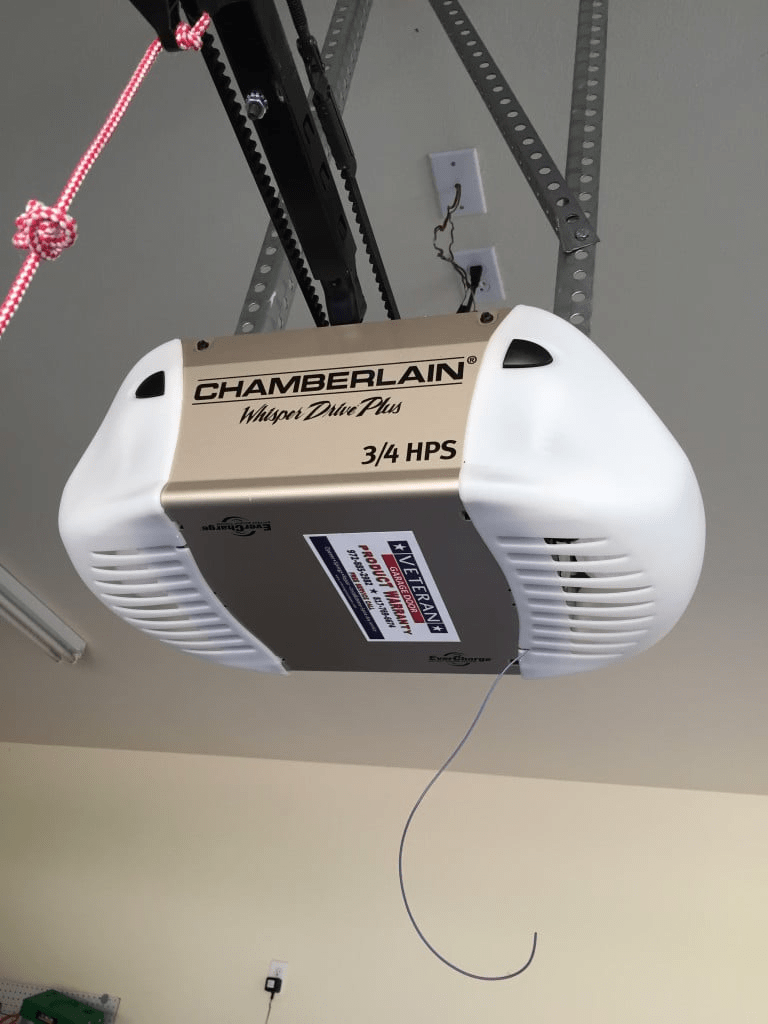
What Does “Its Own Circuit” Mean?
A dedicated circuit, sometimes called its own circuit, refers to an electrical line that powers a single device exclusively. In the case of garage door openers, this means:
- The opener has its own breaker.
- No other appliances share this line.
- Power supply is stable and consistent.
Read too: How To Replace Garage Door Roller Like a Pro? Step-by-Step Guide
Benefits:
- Prevents electrical overloads.
- Improves opener reliability and response.
- Enhances safety by reducing fire risk.
The National Electrical Code (NEC) recommends dedicated lines for motorized appliances like garage door openers. For more context, visit Wikipedia.
Factors That Determine If Your Opener Needs Its Own Circuit
- Motor Size and Type
- Heavy-duty or high-horsepower openers draw more current.
- Existing Circuit Load
- Sharing the line with power tools, heaters, or other high-draw devices increases the risk of breaker trips.
- Frequency of Use
- Openers used multiple times daily may require dedicated power for consistent performance.
- Local Electrical Codes
- Some regions mandate dedicated circuits for safety compliance.
How to Install a Dedicated Circuit for a Garage Door Opener
Step 1: Turn off main power
- Ensure the main breaker is switched off before beginning any electrical work.
Step 2: Select the correct breaker
- Use a 15–20 amp breaker suitable for motorized devices.
Step 3: Run dedicated wiring
- Install 14/2 or 12/2 gauge wire from the panel to the opener location.
Step 4: Install an outlet
- Mount a grounded outlet powered only by this dedicated line.
Step 5: Test the system
- Switch the breaker on and operate the garage door multiple times to verify stable operation.
Pro Tip: Label the breaker “Garage Door Opener” for easy identification.
Pros and Cons of Using Its Own Circuit
| Pros | Cons |
|---|---|
| Prevents breaker trips | Slightly higher installation cost |
| Improves opener reliability | May require professional electrician |
| Enhances safety | Minor wiring effort |
| Meets code requirements | Additional space in breaker panel |
FAQ Section
Q1: Can I plug my garage door opener into an existing outlet?
A1: Yes, but if other devices share the circuit, it may lead to tripped breakers or inconsistent performance.
Q2: What size breaker is recommended for a standard garage door opener?
A2: Typically, 15–20 amps depending on the motor specifications. Always consult the opener manual.
Q3: Can I install a dedicated circuit myself?
A3: Only if you have electrical experience. Otherwise, hire a licensed electrician to ensure safety and code compliance.
Q4: Does a dedicated circuit extend the opener’s lifespan?
A4: Yes. Stable, uninterrupted power reduces wear on the motor and electronic components.
Q5: Are dedicated circuits required by code?
A5: Some regions mandate it for safety, especially for high-draw or commercial garage door openers.
Conclusion
Understanding Does A Garage Door Opener Need Its Own Circuit ensures safe, reliable, and long-lasting operation. Installing a dedicated circuit reduces breaker trips, improves performance, and enhances safety in your garage. Share this guide with friends and family to help them optimize their garage door systems safely and efficiently.
Leave a Reply