When your garage door opener suddenly stops working or makes grinding noises, it’s often because the opener has slipped off its track. Many homeowners search how to get garage door opener back on track because the door won’t open or close properly and they need a fast, safe solution. This guide explains exactly what’s happening, how to fix it step by step, and when it’s smarter to call a professional.
What Does “Garage Door Opener Off Track” Really Mean?
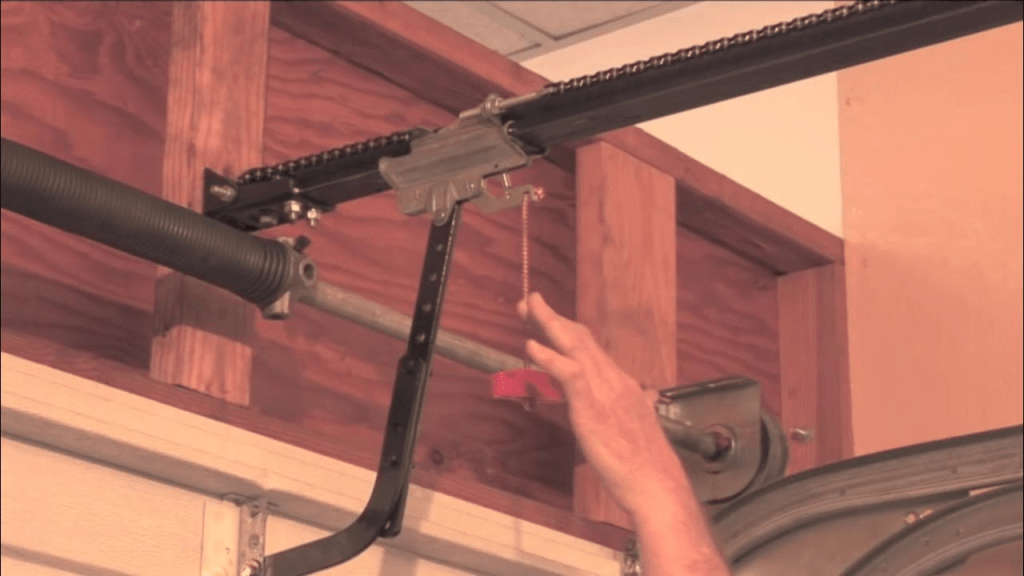
In most cases, the garage door itself is still on its vertical tracks—but the opener trolley, chain, or belt has slipped off the opener rail.
Read too: How to Perform a Chamberlain Garage Door Opener Code Change? Mastering Security
Common Situations
- The trolley disengages from the rail
- The chain or belt jumps out of alignment
- The opener rail bends or shifts
- The emergency release is accidentally pulled
This is different from a garage door coming off its side tracks, which is far more dangerous.
Why Garage Door Openers Come Off Track
Understanding the cause helps prevent repeat problems.
Most Common Causes
- Obstructions in the door’s path
- Slamming the door manually
- Worn rollers or hinges
- Loose mounting bolts
- Misaligned opener rail
- Accidental activation of the emergency release
According to general mechanical principles outlined on Wikipedia, garage door systems rely on precise alignment—small shifts can stop the entire system.
Is It Safe to Fix a Garage Door Opener Off Track Yourself?
In many cases, yes, if:
- The door itself is still on its tracks
- The spring is not broken
- The opener rail is not severely bent
⚠️ If the door is crooked, very heavy, or the spring is broken, stop immediately and call a professional.
Tools You’ll Need
Prepare these before starting:
- Step ladder
- Adjustable wrench
- Screwdriver
- Locking pliers or C-clamps
- Work gloves
- Safety glasses
⏱ Estimated repair time: 20–45 minutes
How To Get Garage Door Opener Back On Track (Step-by-Step)
Step 1: Disconnect Power for Safety
Unplug the garage door opener from the outlet. This prevents accidental activation while you’re working.
Step 2: Pull the Emergency Release Cord
Pull the red emergency release handle straight down.
What this does:
It disconnects the opener trolley from the door, allowing manual movement.
Step 3: Manually Position the Garage Door
Lift or lower the door slowly until it’s fully closed or fully open.
✔ Choose the position that gives you the best access to the opener rail.
If the door feels unusually heavy, stop—this may indicate a broken spring.
Step 4: Inspect the Opener Rail, Chain, or Belt
Look closely for:
- Chain or belt hanging loose
- Trolley off the rail
- Bent rail sections
- Loose bolts or brackets
Common Visual Clues
- Chain sagging more than ½ inch
- Trolley tilted or stuck
- Rail pulled away from ceiling mount
Step 5: Realign the Chain or Belt
If the chain or belt has jumped out of place:
- Loosen the tension adjustment bolt slightly
- Guide the chain or belt back onto the sprocket
- Ensure it sits evenly along the rail
- Retighten tension until snug (not overly tight)
📏 Proper tension usually allows about ¼–½ inch of movement when pressed.
Step 6: Re-seat the Trolley on the Rail
Carefully slide the trolley back onto the opener rail.
Make sure:
- Wheels sit fully inside the rail
- Trolley moves freely by hand
- No grinding or resistance is felt
Step 7: Reconnect the Emergency Release
Manually move the door until the trolley clicks back into place.
You may hear or feel a distinct snap when it reconnects.
Step 8: Tighten and Secure All Hardware
Check and tighten:
- Rail mounting brackets
- Ceiling supports
- Chain/belt tension bolts
Loose hardware is one of the most common reasons openers go off track again.
Step 9: Restore Power and Test
Plug the opener back in.
Test the door:
- Open once
- Close once
- Listen for smooth operation
🚫 Stop immediately if you hear grinding, popping, or jerking movements.
Quick Troubleshooting Table
| Problem | Likely Cause | Solution |
|---|---|---|
| Door won’t move | Trolley disengaged | Reconnect release |
| Loud grinding | Chain misaligned | Adjust tension |
| Door stops halfway | Rail misalignment | Realign rail |
| Opener runs, door doesn’t | Emergency release pulled | Re-engage trolley |
What NOT to Do
- ❌ Do not force the door
- ❌ Do not operate repeatedly if it jams
- ❌ Do not bend the rail by hand
- ❌ Do not ignore loose bolts
- ❌ Do not work under a suspended door
These mistakes often lead to motor damage or injury.
Pros and Cons of DIY Fixing an Opener Off Track
Pros
- ✔ Saves service call cost
- ✔ Quick solution
- ✔ No special parts needed
Cons
- ✖ Risk of misalignment
- ✖ Temporary if root cause isn’t fixed
- ✖ Not suitable for spring or track damage
When You Should Call a Professional
Call a garage door technician if:
- The door is crooked or off its side tracks
- You see a broken spring
- The rail is bent or cracked
- The opener motor strains or overheats
- The door weighs too much to move safely
Professional repair prevents further damage and improves long-term reliability.
How to Prevent the Opener From Going Off Track Again
- Tighten hardware every 6–12 months
- Lubricate rollers and hinges twice a year
- Keep tracks clean and obstruction-free
- Avoid slamming the door manually
- Replace worn rollers early
Preventive maintenance can extend opener life by years.
FAQ: How To Get Garage Door Opener Back On Track
Q1: Can I fix a garage door opener off track by myself?
Yes, if the opener rail or trolley is misaligned and the door and springs are intact.
Q2: Why does my opener keep coming off track?
Loose hardware, worn rollers, or improper chain tension are the most common causes.
Q3: Is it dangerous to use the opener when it’s off track?
Yes. Continued use can damage the motor or cause sudden door failure.
Q4: How long does it take to fix an opener off track?
Most DIY fixes take 20–45 minutes.
Q5: Does an off-track opener mean my garage door is broken?
Not necessarily. Often, only the opener alignment needs adjustment.
Conclusion
Knowing how to get garage door opener back on track can save you time, money, and stress. In many cases, this is a manageable DIY fix when done carefully and safely. By following the steps above and addressing the root cause, you can restore smooth operation and prevent future issues.
If this guide helped you, share it on social media so other homeowners can fix their garage doors safely and confidently 🚪🔧
Leave a Reply