If your garage door opener is acting up, making unusual noises, or simply overdue for cleaning, you may be asking How To Take Cover Off LiftMaster Garage Door Opener without causing damage or risking injury. This is a very common question among U.S. homeowners, especially those who want to inspect their opener before calling a professional.
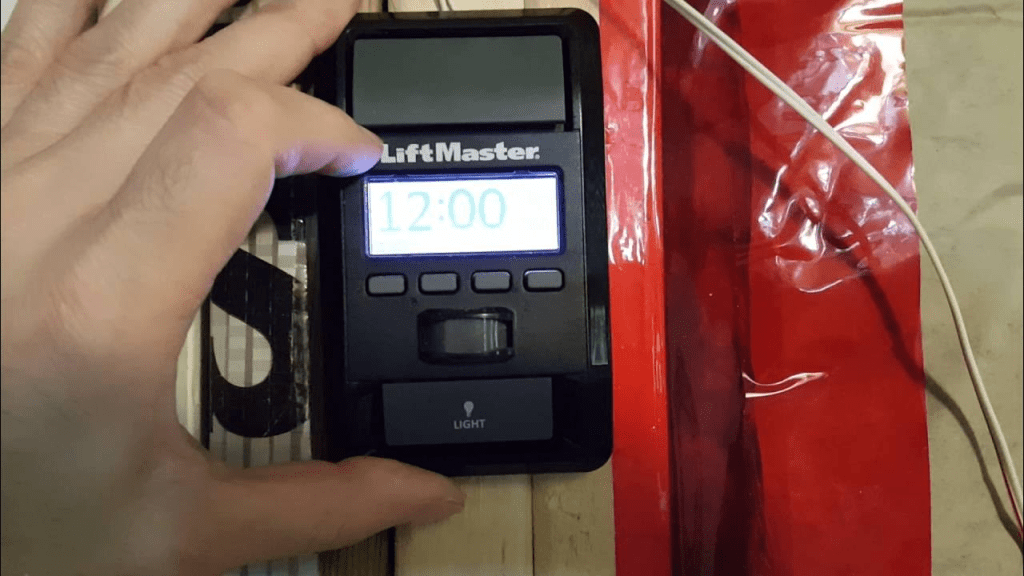
This in-depth guide explains how to safely remove the cover from a LiftMaster garage door opener, what tools you need, what to expect inside, and how to avoid common mistakes. The steps are beginner-friendly, detailed, and focused on solving real homeowner problems.
What Is a LiftMaster Garage Door Opener?
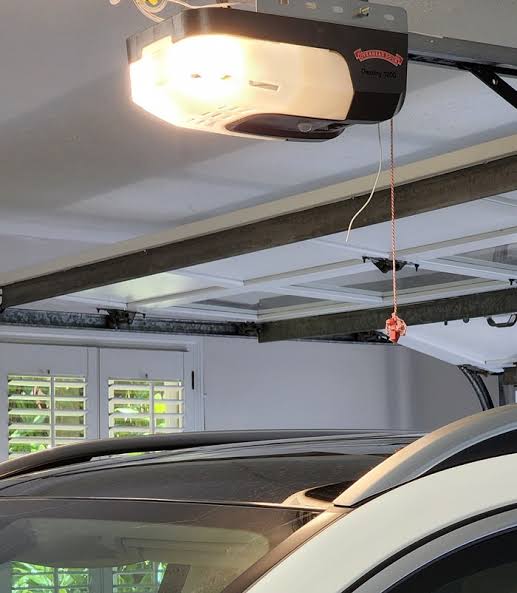
A LiftMaster garage door opener is a ceiling-mounted motorized system that opens and closes your garage door using a chain, belt, or wall-mounted direct drive mechanism. LiftMaster products are widely used in residential and commercial settings across the U.S. and are known for reliability, safety sensors, and smart-home integration from the LiftMaster.
Read too: Why Are My Garage Doors Opening By Themselves? Troubleshooting Guide
For general background on how garage door openers function, you can also refer to:
https://en.wikipedia.org/wiki/Garage_door_opener
Why Would You Need to Take the Cover Off a LiftMaster Garage Door Opener?
Removing the cover does not mean fully disassembling the opener. Most homeowners do this for inspection and light maintenance, not major repairs.
Common reasons include:
- Investigating grinding, clicking, or humming sounds
- Checking the drive gear or belt
- Cleaning dust, debris, or insect buildup
- Inspecting wiring connections
- Identifying visible damage or burnt components
- Preparing for part replacement
Knowing how to remove the cover properly helps you diagnose problems early and communicate clearly with technicians if professional service is needed.
Is It Safe to Remove the Cover Yourself?
Yes—if you follow proper safety procedures.
Removing the cover does not expose high-tension garage door springs. However, electrical components are present, so safety is critical.
Key safety rules:
- Always unplug the opener first
- Never touch exposed wiring while powered
- Use a stable ladder
- Work slowly and methodically
If at any point you feel unsure, stopping is the safest option.
Tools You’ll Need Before You Start
Prepare everything before climbing the ladder.
Basic tool checklist:
- Phillips screwdriver
- Flathead screwdriver
- Nut driver (1/4” or 5/16”, depending on model)
- Step ladder (properly rated)
- Flashlight or headlamp
- Small container for screws
Using the correct tools prevents stripped screws and cracked plastic housings.
Step 1: Disconnect Power Completely (Critical Step)
This is the most important step.
What to do:
- Locate the power cord above the opener
- Unplug it from the ceiling outlet
- Confirm the opener does not respond to the wall button
Never rely on just turning off a wall switch. Always unplug the unit.
Step 2: Disengage the Garage Door (Recommended)
While optional, this step adds safety.
How to disengage:
- Pull the red emergency release cord
- Manually move the door to confirm it’s free
This ensures the opener cannot move the door while you’re working overhead.
Step 3: Identify the Type of LiftMaster Cover
LiftMaster uses different cover designs depending on model and age.
Common cover styles:
- One-piece plastic housing
- Two-piece snap-on plastic shell
- Metal housing (older units)
Most covers are secured with 2–6 screws, sometimes hidden near the light lens.
Step 4: Locate All Cover Screws and Fasteners
Inspect carefully:
- Along both sides of the opener
- On the bottom edge
- Near or behind the light cover
Pro tip:
If you don’t see screws immediately, remove the light lens first—many models hide fasteners there.
Step 5: Remove the Light Cover and Bulb (If Required)
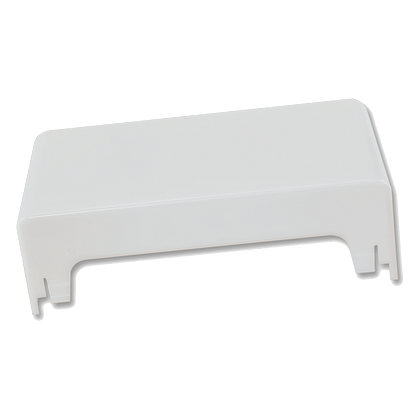
Many LiftMaster openers require light cover removal first.
How to do it:
- Press gently on the sides of the light lens
- Slide or pull it downward
- Unscrew and remove the bulb
Set both aside in a safe place to prevent breakage.


4
Step 6: Unscrew the Main Opener Cover
Once fasteners are exposed, you can remove the housing.
Step-by-step:
- Support the cover with one hand
- Remove screws using the correct driver
- Place screws immediately in a container
- Keep gentle pressure on the cover as screws come out
Important: Do not let the cover drop suddenly—it can crack or pull on internal wiring.
Step 7: Carefully Remove or Lower the Cover
Depending on the model, the cover may:
- Drop straight down
- Slide backward
- Separate into two halves
Move slowly and watch for any attached wiring (rare, but possible in older units).
What You’ll See After the Cover Is Off
With the cover removed, you’ll see the main internal components.
Typical internal parts include:
- Electric motor
- Drive gear and sprocket or belt
- Circuit board (logic board)
- Capacitor
- Wiring harness
- Limit switch assembly
At this stage, visual inspection only is recommended for beginners.
What to Inspect Once the Cover Is Off
Visual inspection checklist:
- Burn marks on the circuit board
- Loose or disconnected wires
- Excessive dust or debris
- Cracked plastic gears
- Oil or grease leaks
Rule of thumb: If something looks burnt, melted, or smells bad—stop and call a professional.
Common Problems You Can Spot With the Cover Removed
Many LiftMaster issues become obvious once the cover is off.
Examples include:
- Stripped gear (white plastic shavings present)
- Loose wire connectors
- Broken mounting brackets
- Insect nests or dirt buildup
Early detection can prevent complete opener failure.
Cleaning While the Cover Is Off (Optional)
Light cleaning is safe and often beneficial.
Safe cleaning steps:
- Use a dry microfiber cloth
- Gently remove dust and cobwebs
- Avoid circuit board contacts
- Do not use water or liquid cleaners
Compressed air should be used cautiously and from a distance.
Mistakes to Avoid When Removing the Cover
Avoid these common DIY errors:
- Forgetting to unplug the opener
- Forcing plastic snap tabs
- Mixing different screw sizes
- Touching exposed electrical components
- Overtightening screws during reassembly
Slow, careful work prevents damage.
How to Put the Cover Back On Correctly
Reinstallation is straightforward if done properly.
Best practices:
- Align the cover carefully
- Ensure no wires are pinched
- Hand-thread screws first
- Tighten evenly—do not overtighten
- Reinstall the bulb and light cover
Plug the opener back in only after the cover is fully secured.
Testing After Reinstallation
Before reconnecting the door:
- Plug the opener into the outlet
- Test wall button operation
- Listen for abnormal sounds
- Re-engage the garage door
- Run a full open/close cycle
This confirms everything is seated correctly.
When Should You Stop and Call a Professional?
DIY inspection should stop if:
- Wiring appears burnt or damaged
- The circuit board is visibly fried
- The motor smells burnt
- You feel unsure about reassembly
Professional repair prevents safety hazards and costly mistakes.
FAQ: LiftMaster Garage Door Opener Cover Removal
How To Take Cover Off LiftMaster Garage Door Opener Safely?
Unplug the unit, remove the light cover if needed, unscrew the housing, and lower the cover carefully using proper tools.
Do I Need Special Tools to Remove the Cover?
No. Basic tools like screwdrivers, a nut driver, and a ladder are usually enough.
Will Removing the Cover Void My Warranty?
Yes. Opening the housing typically voids any remaining manufacturer warranty.
How Long Does It Take to Remove the Cover?
Most homeowners can do it in 10–20 minutes.
Can I Repair My Opener After Removing the Cover?
You can inspect and clean, but complex electrical or motor repairs should be handled by professionals.
Conclusion
Knowing how to take cover off LiftMaster garage door opener allows homeowners to safely inspect, clean, and identify early signs of trouble. When done carefully, this simple task can save time, reduce repair costs, and help you make informed decisions about maintenance or replacement.
Always prioritize safety, work methodically, and don’t hesitate to call a professional when the issue goes beyond basic inspection.
If this guide was helpful, share it on social media so other homeowners can confidently handle basic garage door opener maintenance the right way.
Leave a Reply