If your opener hums, struggles to start, or stops under load, the issue may be the Liftmaster Garage Door Openers 30B532 Motor Capacitor 53 64. This small cylindrical part stores electrical energy that helps the motor start and run smoothly.
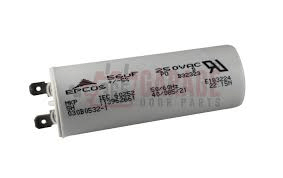
This guide explains how to identify a failed capacitor, test it safely, and replace it correctly using clear steps and real measurements.
What Is the 30B532 (53–64 µF) Motor Capacitor?

4
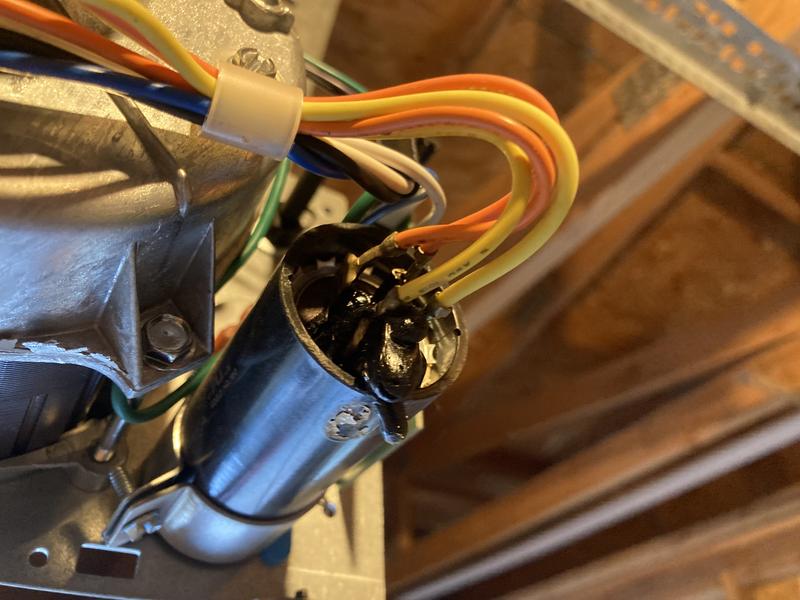
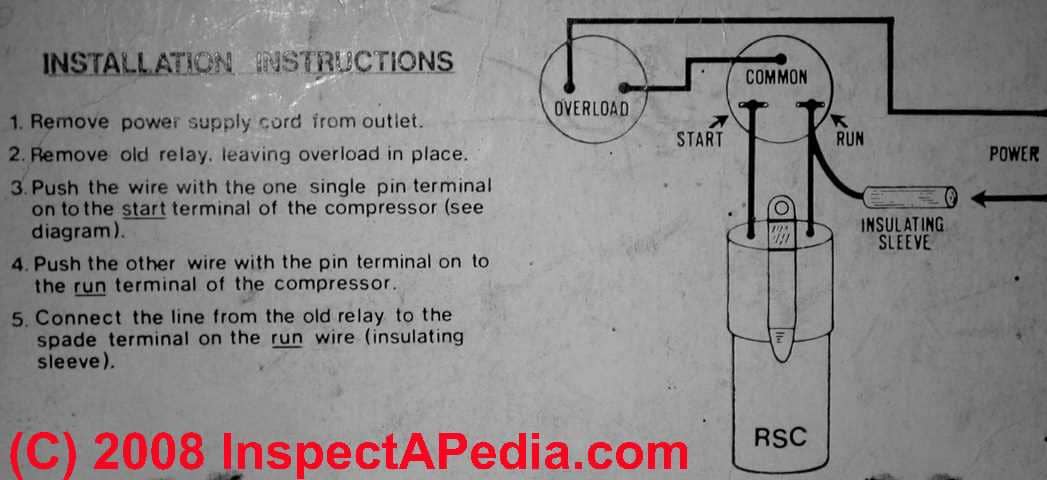
Inside many LiftMaster chain-drive units, the 30B532 is a motor start/run capacitor rated 53–64 microfarads (µF). Its job is to provide a quick surge of energy so the motor can overcome initial inertia.
For general background on how a Garage door opener works, see:
https://en.wikipedia.org/wiki/Garage_door_opener
What Symptoms Point to a Bad Capacitor?
Technicians often diagnose a failing capacitor when they observe:
- Loud humming but no movement
- Door moves only a few inches, then stops
- Motor overheats quickly
- Opener works after a “push start” on the door
- Burning smell from motor housing
Read too: Mastering the Art of How to Open a Garage Door Safely and Efficiently
These symptoms occur because the motor cannot generate starting torque.
Why Capacitors Fail Over Time
Capacitors degrade due to:
| Cause | Effect |
|---|---|
| Heat inside motor housing | Dries internal electrolyte |
| Power surges | Damages dielectric layers |
| Age (8–12 years typical) | Capacity drops below rating |
| Frequent cycles | Electrical fatigue |
When capacitance drops below ~50 µF, starting power becomes unreliable.
How to Confirm the Capacitor Is the Problem
Quick Field Test (No Tools)
- Pull emergency release
- Start opener while gently lifting door
- If motor runs when assisted → capacitor likely bad
Proper Test with Multimeter
- Unplug opener
- Discharge capacitor (details below)
- Set meter to µF
- Reading should be between 53 and 64 µF
Anything below 50 µF indicates replacement.
Safety First — Discharging the Capacitor
⚠️ Capacitors store electricity even when unplugged.
Safe Discharge Steps
- Unplug opener
- Use insulated screwdriver
- Bridge both terminals for 3–5 seconds
- Confirm no spark remains
Only then remove the wires.
Step-by-Step Replacement Guide
Tools Needed
- Phillips screwdriver
- Needle-nose pliers
- Multimeter
- Replacement capacitor (53–64 µF, same voltage rating)
Replacement Steps
- Unplug opener
- Remove motor cover (4–6 screws)
- Locate cylindrical capacitor
- Take a photo of wire placement
- Discharge capacitor
- Remove spade connectors
- Install new capacitor in same orientation
- Reattach wires firmly
- Reassemble housing
- Plug in and test
Total time: 15–25 minutes
Choosing the Correct Replacement Capacitor
Match three things:
| Specification | Requirement |
|---|---|
| Capacitance | 53–64 µF |
| Voltage | Equal or higher (usually 250V or 370V) |
| Shape | Round metal can with 2 terminals |
Never use a lower µF rating.
Capacitor vs Motor Failure (How to Tell)
| Symptom | Capacitor | Motor |
|---|---|---|
| Hums but won’t start | ✅ | ❌ |
| Trips breaker | ❌ | ✅ |
| Works when helped | ✅ | ❌ |
| Burning smell | ✅ | ✅ |
| No sound at all | ❌ | ✅ |
In most cases, the capacitor fails long before the motor.
Why This $15 Part Saves a $300 Opener
Many homeowners replace the entire opener, not realizing a small capacitor is the cause. Replacing it restores full function at minimal cost.
This is one of the highest value DIY repairs for garage door systems.
Maintenance Tips to Prevent Future Failure
- Keep motor vents dust-free
- Avoid extension cords (voltage drop harms capacitors)
- Ensure door is balanced (reduces motor strain)
- Avoid frequent rapid cycling
These reduce internal heat—the main capacitor killer.
FAQ — 30B532 Motor Capacitor 53–64
Q1: Can I use a 50 µF capacitor instead?
No. The motor requires at least 53 µF to start properly.
Q2: What happens if voltage rating is higher?
That’s fine. Higher voltage rating is safer.
Q3: How long do these capacitors last?
Typically 8–12 years depending on usage.
Q4: Is this repair safe for beginners?
Yes, if you discharge the capacitor first.
Q5: Why does the opener hum loudly?
The motor is energized but lacks starting torque.
Conclusion
The Liftmaster Garage Door Openers 30B532 Motor Capacitor 53 64 is a small but critical component. When it fails, the opener hums, struggles, or stops working entirely. Fortunately, testing and replacing it is quick, affordable, and restores your opener to full power.
If this guide helped you fix your opener, share it on social media to help other homeowners avoid unnecessary replacements.
Leave a Reply