If you’re frustrated because My Garage Door Closes All The Way Then Opens, you’re not alone. This is one of the most common garage door problems homeowners experience—and it usually happens for safety reasons.
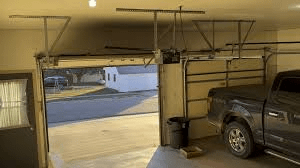
The good news? In most cases, the fix is simple. This guide explains exactly why your garage door reverses after closing and walks you step-by-step through safe and effective solutions.
Why My Garage Door Closes All The Way Then Opens
Modern garage doors are designed with built-in safety systems. If the opener detects resistance, obstruction, or incorrect settings, it automatically reverses.
Read too: The Complete Guide to Tighten Chain On Garage Door Opener for Smooth Operation
Garage door openers are part of automated mechanical systems explained broadly under Wikipedia.
When your door touches the ground and then reopens, it usually means one of the following:
- Close limit is set too far
- Downforce setting is too sensitive
- Safety sensors are misaligned
- Track obstruction or binding
- Logic board malfunction
Let’s break each one down.
1. Close Limit Setting Is Incorrect
What Is a Close Limit?
The close limit tells the opener when the door has fully reached the ground.
If set too far, the opener thinks it hit an obstacle and reverses.
How To Adjust Close Limit (Step-by-Step)
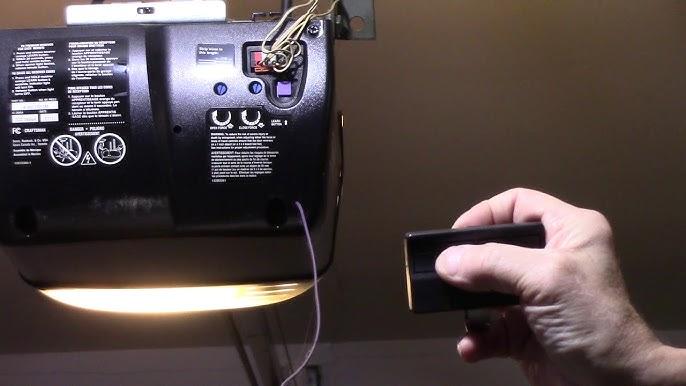
- Locate limit adjustment screws on motor housing.
- Identify “Down” or “Close” adjustment.
- Turn screw ¼ turn clockwise.
- Test door operation.
- Repeat if necessary.
Small adjustments make big differences.
2. Downforce Setting Is Too Sensitive
What Is Downforce?
Downforce controls how much pressure the opener applies while closing.
If too sensitive, even slight pressure triggers reversal.
How To Adjust Downforce
- Find force adjustment screws.
- Turn “Down Force” slightly clockwise.
- Test operation after each adjustment.
Do not overtighten—safety features must remain functional.
3. Safety Sensors Are Misaligned
This is the most common cause.
Safety sensors sit 5–6 inches above the floor and must face each other directly.
How To Check Sensor Alignment
- Look for LED lights on both sensors.
- Both lights should be solid (not blinking).
- Clean sensor lenses with soft cloth.
- Adjust brackets until lights stay steady.
Even small misalignment can trigger reversal.
4. Obstructions or Track Issues
If door binds slightly at bottom, opener senses resistance.
Check for:
- Small debris near threshold
- Bent track sections
- Loose rollers
- Worn weather stripping
Manually disconnect opener and test door movement. It should move smoothly without resistance.
5. Damaged Travel Module or Logic Board
If adjustments don’t fix issue, internal electronics may be faulty.
Common signs:
- Flashing diagnostic lights
- Random operation
- Inconsistent behavior
Older openers (15+ years) are more prone to electronic failures.
Quick Troubleshooting Checklist
Before calling a technician:
- Clean and align safety sensors
- Adjust close limit slightly
- Increase downforce carefully
- Inspect tracks for debris
- Test manual door balance
80% of cases are solved by sensor alignment or limit adjustment.
How To Test Door Balance
- Disconnect opener using emergency release cord.
- Lift door halfway manually.
- Release gently.
Door should stay in place.
If it drops or rises, spring tension may be off—this requires professional repair.
Why Does It Only Happen Sometimes?
Intermittent reversing may be caused by:
- Sunlight hitting sensors
- Temperature expansion affecting tracks
- Weak opener motor
- Loose wiring
Direct sunlight can interfere with sensor beams, especially during certain hours.
Pros and Cons of DIY Adjustment
Advantages
- Quick solution
- No service call cost
- Easy adjustments
Disadvantages
- Risk of improper safety setting
- Over-adjustment may damage opener
- Spring repairs require professionals
Never attempt torsion spring repair yourself.
Estimated Repair Costs
| Repair Type | Cost Range |
|---|---|
| Sensor replacement | $50–$150 |
| Limit adjustment | Free DIY |
| Track repair | $125–$300 |
| Logic board replacement | $150–$400 |
| Full opener replacement | $400–$800 |
Simple adjustments often cost nothing.
When Should You Call a Professional?
Call a technician if:
- Door feels heavy manually
- Springs appear damaged
- Tracks are bent severely
- Adjustments fail to solve issue
Spring systems operate under high tension and can cause serious injury.
FAQ: My Garage Door Closes All The Way Then Opens
1. Why does my garage door close then immediately open?
Most commonly due to sensor misalignment or incorrect limit settings.
2. Can cold weather cause this problem?
Yes. Metal contraction can slightly affect limit settings.
3. How do I know if my sensors are bad?
If sensor LED lights blink or won’t stay solid, they may be misaligned or faulty.
4. Is this a serious safety issue?
Yes. Reversing is a built-in safety response, but the underlying issue should be fixed promptly.
5. Can sunlight cause reversing?
Yes. Direct sunlight can interfere with sensor beam alignment.
6. Should I replace my opener if it’s old?
If over 15 years old and frequently malfunctioning, upgrading may be cost-effective.
Preventing Future Reversing Issues
- Clean sensor lenses monthly
- Check track alignment annually
- Lubricate moving parts every 6 months
- Test safety reversal monthly
Routine maintenance prevents most operational issues.
Final Thoughts
If you’re dealing with My Garage Door Closes All The Way Then Opens, don’t panic. In most cases, it’s a simple safety system adjustment—often involving limit settings or sensor alignment.
By following the step-by-step fixes above, you can restore smooth operation quickly and safely. If adjustments don’t resolve the issue, professional inspection ensures long-term reliability.
If this guide helped you fix your garage door problem, consider sharing it on social media to help other homeowners troubleshoot safely and effectively.
Leave a Reply