If you’re installing or upgrading your garage system, you might ask What Size Garage Door Opener For 16 Foot Door works best. A 16-foot garage door is typically a double-car door, meaning it’s larger and heavier than standard single doors.
Choosing the correct opener size ensures smooth operation, longer motor life, and better performance. In this guide, we’ll explain the recommended horsepower, opener types, and factors that determine the ideal garage door opener for a 16-foot door.
Read too: Door and Garage Door Companies: Choosing the Right Partner for Your Needs
What Size Garage Door Opener For 16 Foot Door?
For most residential homes, the recommended opener size for a 16-foot garage door is:
½ horsepower (HP) to ¾ horsepower (HP)
The exact power needed depends on the door’s material, weight, and usage frequency.
Typical Recommendations
| Door Type | Recommended Opener Size |
|---|---|
| Lightweight aluminum | ½ HP |
| Standard steel | ½ – ¾ HP |
| Insulated steel | ¾ HP |
| Wood or heavy custom doors | 1 HP |
Most garage door professionals recommend ¾ HP openers for double garage doors because they provide stronger lifting power and longer durability.
Why Door Size Matters When Choosing an Opener
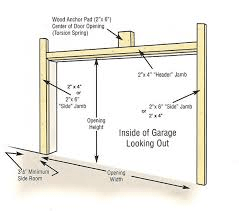
A 16-foot garage door is usually a double garage door designed to accommodate two vehicles.
These doors are typically:
- 16 feet wide
- 7–8 feet tall
Because they are larger than single doors, they require a stronger opener motor to operate smoothly.
The opener motor performs three main tasks:
- Lifts the door using a track system
- Controls opening and closing speed
- Maintains door balance
If the motor is too small, it may struggle to lift the door consistently.
For more background about garage door systems, see:
https://en.wikipedia.org/wiki/Garage_door
Garage Door Opener Horsepower Explained
Garage door opener motors are rated in horsepower (HP).
Horsepower determines how much lifting power the motor provides.
Below are the most common sizes used in residential homes.
1/3 Horsepower (HP)
This is the smallest opener motor.
Best For
- lightweight single garage doors
- aluminum doors
- low-usage garages
Not Recommended For
16-foot garage doors.
The motor may wear out quickly under heavier loads.
1/2 Horsepower (HP)
This is the most common garage door opener size.
Advantages
- affordable
- suitable for many double doors
- reliable for moderate use
Best For
- steel garage doors
- standard 16-foot doors
However, for heavier insulated doors, a stronger motor may be better.
3/4 Horsepower (HP)
Many experts consider this the ideal size for 16-foot doors.
Benefits
- stronger lifting power
- smoother operation
- longer motor lifespan
Best For
- insulated steel doors
- heavier double doors
- frequent daily use
1 Horsepower (HP)
These openers provide the highest lifting power for residential garages.
Advantages
- handles very heavy doors
- quieter operation
- long-term durability
Best For
- solid wood doors
- oversized custom doors
- high-cycle usage
Garage Door Opener Power Comparison
| Motor Power | Door Size | Performance | Price |
|---|---|---|---|
| 1/3 HP | Single doors | Basic | Low |
| 1/2 HP | Standard double doors | Good | Moderate |
| 3/4 HP | Heavy double doors | Excellent | Moderate |
| 1 HP | Oversized or wood doors | Maximum | High |
Expert Tip:
A ¾ HP opener often provides the best balance of power, durability, and cost for 16-foot garage doors.
Types of Garage Door Openers
Horsepower is only one factor. The drive system also affects performance.
Chain Drive Openers
Chain drive systems use a metal chain to move the door.
Advantages
- affordable
- durable
- powerful
Downsides
- louder than other types
Best for detached garages.
Belt Drive Openers
Belt drive openers use a rubber belt instead of a chain.
Advantages
- extremely quiet
- smooth operation
- low vibration
Downsides
- slightly higher cost
Best for garages attached to the house.
Screw Drive Openers
Screw drive systems use a threaded steel rod to move the door.
Advantages
- fewer moving parts
- reliable performance
Downsides
- sensitive to temperature changes
Direct Drive Openers
These systems move the motor along the rail.
Advantages
- ultra quiet
- minimal maintenance
- durable
Downsides
- higher price
Factors That Affect Garage Door Opener Size
Choosing the correct opener size depends on more than door width.
Consider these factors.
Door Material
Different materials have different weights.
| Door Material | Weight | Opener Recommendation |
|---|---|---|
| Aluminum | Light | ½ HP |
| Steel | Medium | ½–¾ HP |
| Insulated steel | Medium-heavy | ¾ HP |
| Wood | Heavy | ¾–1 HP |
Door Insulation
Insulated doors are heavier but provide better energy efficiency.
They often require stronger motors.
Usage Frequency
If the garage door opens multiple times daily, choose a stronger opener.
Higher horsepower reduces motor strain.
Climate Conditions
Cold climates increase mechanical resistance.
Stronger motors perform better in freezing temperatures.
How to Choose the Right Garage Door Opener (Step-by-Step)
Follow these steps to determine the best opener size.
Step 1: Measure Door Size
Confirm your door width and height.
Typical double garage door dimensions:
- 16 feet wide
- 7 feet tall
Step 2: Identify Door Material
Check whether the door is:
- aluminum
- steel
- insulated steel
- wood
This determines weight and power needs.
Step 3: Estimate Daily Usage
Count how often the door opens per day.
Example:
- 2–4 cycles → standard use
- 10+ cycles → heavy use
Higher usage benefits from stronger motors.
Step 4: Choose the Drive Type
Decide between chain, belt, screw, or direct drive systems.
Each offers different noise levels and maintenance needs.
Step 5: Check Ceiling Clearance
Ensure there is enough headroom for installation.
Typical requirements:
- 12–15 inches clearance
Common Mistakes When Choosing Garage Door Openers
Avoid these common mistakes.
Choosing Too Little Power
A weak opener struggles with large doors.
This leads to faster motor wear.
Ignoring Door Weight
Insulated and wooden doors weigh significantly more than standard steel doors.
Not Considering Noise
Chain drive openers can be loud if the garage is attached to the home.
FAQ: What Size Garage Door Opener For 16 Foot Door
Is 1/2 HP enough for a 16-foot garage door?
Yes, a ½ HP opener can handle many standard double garage doors. However, a ¾ HP opener is often recommended for heavier doors.
What is the best horsepower for a double garage door?
Most experts recommend ¾ horsepower for double garage doors because it provides better lifting power and durability.
Can a 1 HP opener damage a garage door?
No. A higher horsepower opener will not damage the door as long as the door is properly balanced.
What type of opener is quietest?
Belt drive and direct drive openers are typically the quietest options.
How long do garage door openers last?
Most garage door openers last 10–15 years with proper maintenance.
Do heavier garage doors require stronger motors?
Yes. Wood and insulated steel doors often require ¾ HP or higher motors.
Conclusion
Understanding What Size Garage Door Opener For 16 Foot Door helps homeowners choose a system that delivers smooth operation and long-term reliability. For most homes, a ¾ horsepower garage door opener provides the ideal balance of power and durability.
However, lighter steel doors may operate well with ½ HP openers, while heavier wooden doors may require 1 HP systems.
By considering door material, usage frequency, and opener type, you can select the perfect garage door opener for your 16-foot door.
If you found this guide helpful, feel free to share it on social media to help other homeowners choose the right garage door opener.
Leave a Reply