Introduction
Choosing the right mechanism for your home’s largest moving part can feel overwhelming, especially when you are bombarded with technical jargon at the hardware store. You want reliability, but you also dread the idea of a noisy motor waking up the entire household every time you leave for work. If you are asking yourself, “Is chain or belt better for garage door opener” installations, you are not alone; this is one of the most common dilemmas for homeowners today.
The short answer is that it depends entirely on your specific priorities: budget versus tranquility. However, understanding the mechanical differences, long-term maintenance requirements, and performance metrics of each system is crucial for making an informed decision. In this guide, we will dissect the pros and cons of both systems using industry standards and expert insights to help you choose the perfect fit for your home.
How Do Chain and Belt Drives Actually Work?
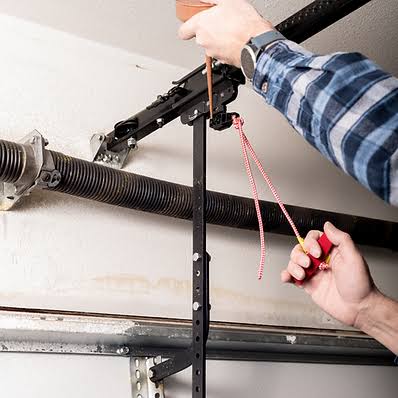
Before diving into the comparison, it is essential to understand the mechanics. Both systems serve the same purpose: they transfer power from the motor to the trolley, which moves the door along the track.
Chain Drive Systems A chain drive uses a metal chain, similar to a bicycle chain but heavier and more robust. The motor turns a sprocket, which pulls the chain. This physical linkage is direct, rugged, and has been the industry standard for decades. Because metal touches metal, there is inherent friction and vibration.
Belt Drive Systems A belt drive replaces the metal chain with a reinforced steel-reinforced rubber or polyurethane belt. The motor turns a pulley, which moves the belt. Since rubber is flexible and absorbs vibration, the operation is significantly smoother. There is no metal-on-metal contact during normal operation, which drastically reduces noise.
Noise Level: The Decibel Difference
For many homeowners, especially those with bedrooms above or adjacent to the garage, noise is the deciding factor.
- Chain Drives: These are notoriously loud. The metallic clanking sound can range from 70 to 80 decibels, comparable to a vacuum cleaner or a busy city street. If you have a traditional chain drive, you likely hear a distinct “rattle” as the door starts and stops.
- Belt Drives: These are the quietest option available in standard residential openers. They typically operate between 50 to 60 decibels, which is akin to a normal conversation or background music. The absence of metal links eliminates the high-pitched ringing and clattering.
Expert Insight: According to installation professionals, if your garage is attached to your living space, a belt drive is almost always recommended to maintain indoor comfort levels.
Durability and Lifespan Comparison
A common myth is that belt drives are fragile because they are made of rubber. Let’s look at the facts.
| Feature | Chain Drive | Belt Drive |
|---|---|---|
| Material | Hardened Steel | Steel-reinforced Rubber/Polyurethane |
| Weather Resistance | High (but prone to rust if unlubricated) | Excellent (resistant to rust and corrosion) |
| Tension Maintenance | Requires periodic tightening | Minimal adjustment needed |
| Average Lifespan | 10–15 years | 10–15 years |
Both systems are engineered to last over a decade with proper maintenance. However, chain drives are more susceptible to environmental wear. If you live in a humid coastal area, a chain may rust if not lubricated regularly. Belts, being non-metallic on the surface, do not rust. However, extreme cold can make rubber belts slightly less flexible, though modern high-grade belts are designed to withstand temperatures well below freezing.
Cost Analysis: Initial Investment vs. Long-Term Value
Budget is often the primary constraint for home improvement projects. Here is how the costs break down:
- Initial Purchase Price: Chain drive openers are generally $20 to $50 cheaper than their belt-driven counterparts. For a basic model, you might find a chain drive for $150, while a comparable belt drive sits around $200.
- Installation Costs: If you hire a professional, the labor cost is identical for both types. The installation process takes the same amount of time.
- Maintenance Costs: Chain drives require annual lubrication with a specific garage door lubricant (not WD-40, which can attract dirt). Belt drives require virtually zero maintenance regarding the drive mechanism itself.
While the chain drive wins on upfront cost, the belt drive offers better “set it and forget it” convenience, which can be valuable for busy homeowners.
Performance in Extreme Weather
Does your location dictate your choice? To some extent, yes.
- Cold Climates: In regions like the Midwest or Northeast US, temperatures can drop below zero. Metal chains contract in the cold, which can lead to increased tension and potential jerking if not adjusted. Modern belts are engineered with thermal stability, but extremely low temperatures can still stiffen rubber. However, most modern openers come with temperature sensors that adjust force automatically, mitigating this issue for both types.
- Hot/Humid Climates: In the South, humidity is the enemy of metal. A chain drive in a non-climate-controlled garage will oxidize faster. A belt drive is immune to humidity-related corrosion, making it a smarter choice for coastal or tropical environments.
For more detailed technical specifications on material resilience, you can refer to general engineering principles on material science and corrosion to understand why non-metallic components often outperform steel in humid environments.
Installation and DIY Friendliness
If you plan to install the opener yourself, consider the weight and handling.
- Chain Drives: Heavier. The metal chain adds significant weight to the rail assembly. Lifting the rail into place can be a two-person job.
- Belt Drives: Lighter. The rubber belt adds negligible weight. This makes the rail assembly easier to maneuver, align, and secure to the ceiling brackets.
Both systems use similar mounting hardware. However, the lighter weight of the belt drive system can make the alignment process slightly less frustrating for a solo DIYer.
Which One Should You Choose? A Decision Matrix
To simplify your decision, ask yourself these three questions:
- Is your garage attached to your house?
- Yes → Choose Belt. The noise reduction is worth the extra cost.
- No (Detached) → Choose Chain. Noise is less of a concern, and you save money.
- Do you have a strict budget?
- Yes → Choose Chain. It provides reliable performance at the lowest price point.
- No → Choose Belt. The premium buy-in offers superior comfort and aesthetics.
- Do you prefer low maintenance?
- Yes → Choose Belt. No lubrication required.
- No → Choose Chain. Annual lubrication is a simple task if you don’t mind it.
Frequently Asked Questions (FAQ)
1. Can I convert my chain drive opener to a belt drive?
Technically, yes, but it is rarely cost-effective. You would need to purchase a conversion kit specific to your brand (e.g., LiftMaster, Chamberlain, Genie). Often, the cost of the kit plus the labor involved is close to the price of buying a new belt-drive unit. Most experts recommend replacing the entire unit if you want to switch types.
2. Do belt drives stretch over time?
High-quality steel-reinforced belts are designed to resist stretching. While minor elongation can occur over many years, it is significantly less than the slack that develops in metal chains. Most belt drives have an automatic tensioning system or require only one initial adjustment during installation.
3. Are chain drives stronger than belt drives?
This is a misconception. Both systems are rated to lift the same weight limits (typically up to 500-600 lbs for single doors and more for double doors). The steel reinforcement inside the belt provides ample tensile strength. For residential use, there is no practical difference in lifting power.
4. How often should I lubricate a chain drive?
You should lubricate the chain, rollers, and hinges once or twice a year. Use a silicone-based lubricant or a dedicated garage door spray. Avoid heavy greases or WD-40, as they can gum up the mechanism and attract dust, leading to faster wear.
5. Will a belt drive work in very hot garages?
Yes. Modern polyurethane and rubber belts are heat-resistant. While extreme heat (above 120°F/49°C) can soften rubber slightly, garage door openers are tested to operate in a wide range of temperatures. If your garage gets excessively hot, ensure the motor unit has adequate ventilation.
Conclusion
So, is chain or belt better for garage door opener systems? The verdict is clear: if you prioritize peace, quiet, and low maintenance, the belt drive is the superior choice. It transforms the garage from a noisy utility space into a seamless part of your home. However, if you have a detached garage, a tight budget, or simply don’t mind the occasional rattle, the chain drive remains a rugged, time-tested workhorse that gets the job done reliably.
Whichever you choose, regular maintenance is key to longevity. Inspect your system annually, keep the tracks clean, and listen for unusual sounds.
Found this guide helpful? Share it with your neighbors on Facebook or Pinterest who might be struggling with their noisy garage doors! Let’s help everyone enjoy a quieter home.
Leave a Reply