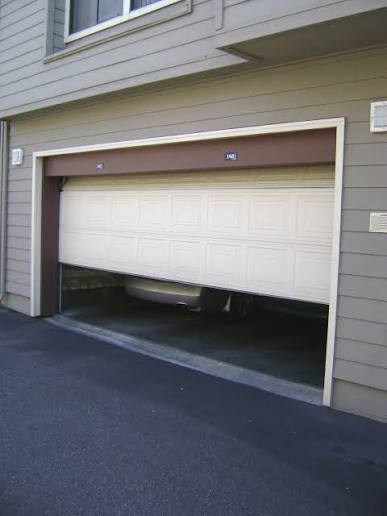
Have you ever left your garage door cracked open just a few inches to let in some fresh air or cool down the space after working on a project? It’s a common habit, especially during warmer months. But is it ok to leave garage door partially open? While it might seem harmless, this practice can expose your home to serious security risks, pest invasions, and even structural damage. Let’s explore why this habit might not be as innocent as it seems.
Why Do People Leave Their Garage Doors Partially Open?
Before diving into the risks, it’s important to understand why homeowners choose to leave their garage doors ajar. Common reasons include:
- Ventilation: To release fumes from cars, paint, or chemicals.
- Cooling: To lower the temperature in a hot garage.
- Convenience: To allow easy access without fully opening the door.
- Pet Access: To let dogs or cats move freely between the garage and yard.
While these reasons are understandable, they often overlook the potential dangers involved.
The Hidden Dangers of a Partially Open Garage Door
1. Security Vulnerabilities
A partially open garage door is an invitation to burglars. Even a small gap can provide enough space for someone to:
- Reach in and unlock the interior door leading to your house.
- Slip through and steal valuable items stored in the garage (bikes, tools, electronics).
- Install devices to hack your garage door opener.
According to the FBI’s Uniform Crime Reporting Program, property crimes involving garages account for a significant percentage of residential break-ins. A cracked door makes entry nearly effortless.
2. Pest and Wildlife Intrusion
Small gaps are perfect entry points for:
- Rodents: Mice and rats can squeeze through openings as small as ¼ inch.
- Insects: Spiders, ants, and wasps find their way inside.
- Larger Animals: Raccoons, squirrels, and even snakes can exploit larger gaps.
Once inside, these pests can cause damage to wiring, insulation, and stored belongings. They also pose health risks through droppings and disease transmission.
3. Weather Damage
Leaving your garage door partially open exposes the interior to:
- Rain and Moisture: Leading to mold, mildew, and rust on tools or vehicles.
- Wind: Strong gusts can force the door further open or damage the tracks.
- Extreme Temperatures: Defeating the purpose of insulation and increasing energy costs.
4. Safety Hazards for Children and Pets
A partially open door creates pinch points and gaps where:
- Small fingers or paws can get trapped.
- Curious children might try to crawl under or climb through.
- Pets could escape or encounter dangerous animals outside.
The Consumer Product Safety Commission (CPSC) reports thousands of garage door-related injuries annually, many involving entrapment or crushing incidents.
What Experts Say About Garage Door Safety
Professional garage door technicians and home safety experts unanimously advise against leaving garage doors partially open. Here’s what they emphasize:
“Garage doors are designed to be either fully open or fully closed. Any intermediate position compromises security, safety, and functionality.”
— International Door Association (IDA)
Additionally, most garage door manufacturers void warranties if damage occurs due to improper use, including leaving the door in a partially open position for extended periods.
For more detailed information on garage door standards and safety guidelines, you can refer to Wikipedia’s article on garage doors, which outlines industry best practices and historical development.
Better Alternatives to Leaving Your Garage Door Partially Open
If you’re looking for ventilation, cooling, or convenience, consider these safer alternatives:
✅ Install a Garage Door Ventilation System
Specialized vents allow airflow without compromising security. Options include:
- Louvered Vents: Installed near the top of the garage door.
- Solar-Powered Exhaust Fans: Remove hot air and fumes efficiently.
- Screened Windows: Added to side walls for natural light and air circulation.
✅ Use a Garage Fan or Dehumidifier
Instead of relying on an open door, invest in:
- Ceiling or Wall-Mounted Fans: Improve air circulation.
- Dehumidifiers: Control moisture levels and prevent mold.
- Portable Air Conditioners: For extreme heat conditions.
✅ Upgrade to a Smart Garage Door Opener
Modern smart openers offer:
- Remote Monitoring: Check door status via smartphone app.
- Scheduled Closing: Automatically close the door after a set time.
- Alerts: Receive notifications if the door is left open.
Popular brands like Chamberlain, LiftMaster, and Genie offer models with Wi-Fi connectivity and integration with home automation systems.
✅ Create a Dedicated Pet Door
If pet access is your concern, install a properly sized pet door in your main garage door or side entrance. This keeps animals safe while maintaining security.
Quick Comparison: Partially Open vs. Proper Ventilation Solutions
| Feature | Partially Open Door | Ventilation System | Smart Opener |
|---|---|---|---|
| Security | ❌ Poor | ✅ Excellent | ✅ Excellent |
| Pest Prevention | ❌ Poor | ✅ Good | ✅ Excellent |
| Weather Protection | ❌ Poor | ✅ Good | ✅ Excellent |
| Cost | Free | $50–$300 | $150–$500 |
| Convenience | ⚠️ Risky | ✅ Easy | ✅ Very Easy |
| Energy Efficiency | ❌ Low | ✅ Moderate | ✅ High |
Step-by-Step: How to Secure Your Garage If You’ve Left It Partially Open
If you realize your garage door has been left partially open, follow these steps immediately:
- Close the Door Fully: Use the wall button or remote to close it completely.
- Inspect for Damage: Check tracks, springs, and sensors for any signs of strain or misalignment.
- Check for Intruders: Look for signs of forced entry or missing items.
- Test Safety Features: Ensure auto-reverse sensors work by placing an object in the door’s path.
- Install Preventive Measures: Consider adding a timer or smart opener to avoid future incidents.
FAQ Section
Q1: Is it ok to leave garage door partially open for a short time?
A: While brief periods (a few minutes) may seem low-risk, it’s still not recommended. Even short exposures can allow pests, thieves, or weather elements to enter. It’s best to keep the door fully closed unless actively using it.
Q2: Can leaving the garage door partially open damage the opener?
A: Yes. Most garage door openers are not designed to hold the door in intermediate positions for extended periods. This can strain the motor, gears, and springs, leading to premature wear or failure.
Q3: What if I need ventilation while working in the garage?
A: Use portable fans, open windows (if available), or install dedicated ventilation systems. These options provide airflow without compromising security or safety.
Q4: Will my home insurance cover damages from a partially open garage door?
A: It depends on your policy. Some insurers may deny claims if negligence is proven (e.g., leaving the door open knowingly). Always check with your provider and consider installing security measures to reduce risk.
Q5: Are there garage doors designed to stay partially open safely?
A: No standard residential garage doors are designed for this purpose. Commercial sectional doors sometimes have hold-open features, but these are rare in homes. Always consult a professional before modifying your door.
Q6: How can I remind myself to close the garage door?
A: Use smart openers with automatic closing timers, set phone reminders, or place visual cues near the exit. Developing a routine habit is also effective.
Conclusion
So, is it ok to leave garage door partially open? The clear answer is no. While it might seem convenient, the risks far outweigh any temporary benefits. From security breaches and pest invasions to weather damage and safety hazards, a partially open garage door creates unnecessary vulnerabilities.
Instead, invest in proper ventilation solutions, smart technology, and good habits to keep your garage secure and functional. Your home—and your peace of mind—will thank you.
Found this article helpful? Share it with friends and family on social media to spread awareness about garage door safety! 🏡🔒
Leave a Reply