When it comes to enhancing your home’s curb appeal and functionality, one of the most significant choices you’ll make is selecting the right exterior garage door. This essential component of your home not only provides a secure entryway for your vehicles and belongings but also plays a crucial role in your home’s aesthetic appeal. Whether you’re building a new home or renovating your existing space, understanding the various options available for exterior garage doors is essential.
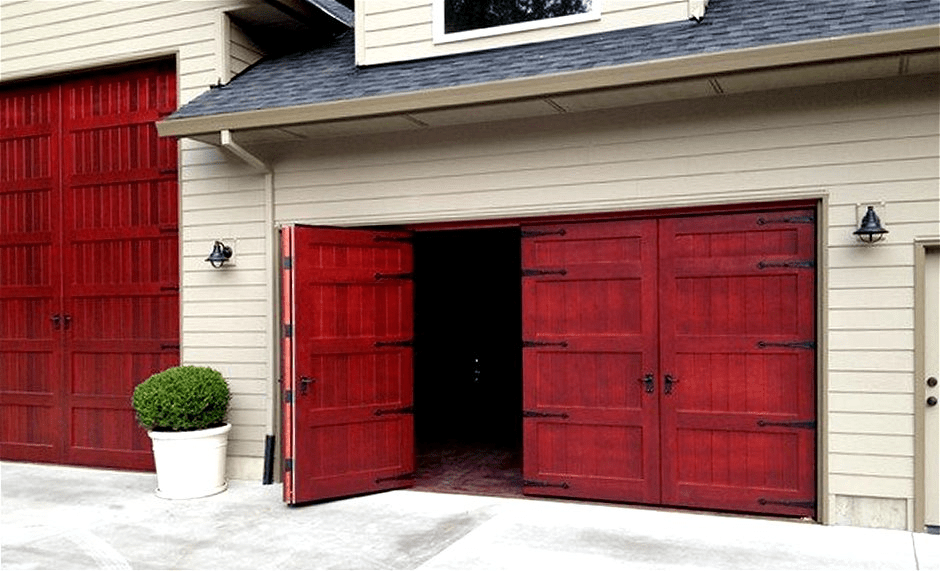
In this comprehensive guide, we’ll explore the different types of exterior garage doors, materials, styles, and important considerations to help you make an informed decision.
Why Your Exterior Garage Door Matters
The exterior garage door serves multiple purposes:
- Security: A robust garage door protects your vehicles, tools, and other belongings from theft and damage.
- Curb Appeal: As one of the first things visitors see, your garage door can significantly impact your home’s overall appearance.
- Insulation: A well-insulated garage door can help maintain the temperature inside your garage, contributing to energy savings.
- Convenience: Modern garage doors often come with various automation features, making them easier to use.
Understanding these benefits will help you appreciate the importance of choosing the right exterior garage door for your home.
Read too: Door and Garage Door Companies: Choosing the Right Partner for Your Needs
Types of Exterior Garage Doors
When selecting an exterior garage door, you’ll encounter several types, each with its unique benefits and aesthetic appeal. Here are some of the most common types:
1. Sectional Garage Doors
Sectional garage doors consist of several horizontal panels that hinge together. When opened, the panels slide upwards along tracks, allowing the door to remain parallel to the ceiling.
Advantages:
- Space-Saving: Sectional doors don’t require extra space in front of or behind the garage.
- Insulation Options: Many sectional doors offer insulation, making them energy-efficient.
- Variety of Designs: Available in various materials and styles, making it easy to match your home’s aesthetics.
2. Roll-Up Garage Doors
Roll-up garage doors are commonly used in commercial settings but are gaining popularity for residential use. These doors roll up into a compact coil above the garage opening.
Advantages:
- Minimal Space Requirement: Perfect for smaller garages with limited space.
- Durability: Made from robust materials, they are built to withstand wear and tear.
- Security Features: Typically feature secure locking mechanisms.
3. Swing-Out Garage Doors
Swing-out garage doors open outward, similar to traditional doors. This style adds a classic look to your home.
Advantages:
- Unique Aesthetic: Offers a vintage or rustic appeal.
- Flexible Design Options: Can be customized with windows, hardware, and paint finishes.
4. Tilt-Up Garage Doors
Tilt-up doors consist of a single panel that tilts up and into the garage. They can be either hinged or constructed as a solid piece.
Advantages:
- Simplicity: Fewer moving parts mean less maintenance.
- Cost-Effective: Generally more affordable than sectional doors.
Materials for Your Exterior Garage Door
Choosing the right material for your exterior garage door is crucial, as it affects durability, maintenance, aesthetics, and insulation. Here are the most common materials used:
1. Steel
Steel garage doors are popular for their strength and low maintenance. They come in various finishes, including paint and wood-grain texture.
Pros:
- Durability: Resistant to dents and wear.
- Security: Steel provides excellent protection against break-ins.
- Energy Efficiency: Many steel doors come with insulation options.
2. Wood
Wood garage doors offer a classic, elegant look that can enhance your home’s curb appeal. Available in various styles, including traditional, carriage house, and contemporary designs.
Pros:
- Aesthetic Appeal: Offers a timeless look that many homeowners love.
- Customization: Easily customizable in terms of design and color.
- Insulation: Provides good natural insulation.
Cons:
- Maintenance: Requires regular painting or staining to protect against the elements.
- Cost: Generally more expensive than other materials.
3. Aluminum
Aluminum garage doors are lightweight and resistant to rust, making them an excellent choice for coastal areas.
Pros:
- Corrosion Resistance: Ideal for areas with high humidity or saltwater.
- Modern Look: Available in sleek, contemporary designs.
- Low Maintenance: Requires minimal upkeep.
Cons:
- Denting: Aluminum can be more prone to dents compared to steel.
4. Fiberglass
Fiberglass doors are becoming increasingly popular due to their durability and energy efficiency. They can mimic the look of wood without the maintenance.
Pros:
- Lightweight: Easy to operate.
- Weather Resistant: Doesn’t warp or crack in extreme temperatures.
- Insulation: Generally offers excellent insulation properties.
Exterior Garage Door Styles
When it comes to styling your exterior garage door, the options are limitless. Your choice should reflect your home’s architectural style and your personal taste. Here are some popular styles to consider:
1. Traditional Style
Traditional garage doors are often raised-panel designs that feature symmetrical patterns. They work well with various architectural styles, from Colonial to Victorian.
2. Contemporary Style
Contemporary garage doors feature clean lines, minimalist designs, and often incorporate glass panels for a modern touch. They are perfect for modern homes and can enhance their aesthetic appeal.
3. Carriage House Style
Carriage house doors are designed to mimic the look of old barn doors. They can swing outward or slide, giving your garage a charming, rustic look. These doors are ideal for homes with traditional or farmhouse-style architecture.
4. Custom Designs
If you have specific needs or preferences, many manufacturers offer custom garage door designs. You can choose materials, colors, finishes, and styles that best match your home.
Important Considerations When Choosing an Exterior Garage Door
Selecting the perfect exterior garage door involves more than just aesthetics. Here are some essential considerations to keep in mind:
1. Size
Ensure that you select a garage door that fits your garage opening correctly. Measure the width and height of your garage to determine the size you need. Standard sizes include 7′ and 8′ heights with varying widths, but custom sizes are available.
2. Insulation
If your garage is attached to your home or if you use it for purposes other than parking, consider an insulated garage door. Insulation will help regulate temperature and reduce energy costs.
3. Style and Color
Choose a style and color that complements your home’s architecture. Many homeowners opt for colors that match the exterior trim or shutters for a cohesive look.
4. Security Features
Consider the security features of the garage door. Look for options with robust locking mechanisms and materials that provide a strong barrier against intruders.
5. Maintenance Requirements
Different materials require varying levels of maintenance. If you prefer low upkeep, steel or fiberglass may be the best options. If you love the look of wood, be prepared for regular maintenance to keep it looking good.
6. Budget
Set a budget for your garage door purchase, including installation. Keep in mind that while some options may be cheaper upfront, they may require more maintenance or replacement sooner than higher-quality doors.
The Importance of Professional Installation
Once you’ve selected the perfect exterior garage door, professional installation is crucial. While DIY installation may seem appealing, there are several reasons to hire a professional:
- Safety: Garage doors can be heavy and challenging to install. Professionals have the necessary tools and expertise to ensure the job is done safely.
- Warranty Protection: Many manufacturers require professional installation to validate warranties. A professional installation ensures you won’t run into issues down the line.
- Proper Functionality: Professionals will ensure that your garage door operates correctly, including calibrating the opener and ensuring proper balance.
Maintenance Tips for Your Exterior Garage Door
Once your exterior garage door is installed, regular maintenance will keep it functioning smoothly and extend its lifespan. Here are some tips:
- Regular Inspections: Check your garage door regularly for signs of wear, such as rust, dents, or misalignment. Early detection can prevent more extensive repairs.
- Lubrication: Lubricate the moving parts, including hinges, rollers, and tracks, to ensure smooth operation.
- Test Safety Features: Regularly test the auto-reverse feature of your garage door opener to ensure it functions properly. Place an object in the door’s path to check if it reverses as intended.
- Clean the Surface: Regularly clean the door’s surface to remove dirt and debris. Use a mild detergent and water, especially for painted or fiberglass doors.
- Weatherstripping: Inspect the weatherstripping and replace it if it’s worn or damaged. This will help keep out drafts and pests.
Conclusion
Selecting the perfect exterior garage door is a decision that impacts your home’s functionality, security, and curb appeal. By understanding the different types, materials, styles, and important considerations, you can make an informed choice that enhances your home’s aesthetics and meets your practical needs. Remember, whether you’re opting for traditional wood, modern steel, or a unique custom design, the right garage door will add value and comfort to your home for years to come.
Leave a Reply